

Table of Contents
Understanding Dehydration
Dehydration is a condition that arises when the body loses more fluids than it takes in, disrupting the balance needed for normal bodily functions. It can range from mild to severe and can occur for various reasons, including exercise, heat exposure, or illness. Understanding dehydration is crucial, as it can lead to serious health issues if left untreated.
In essence, dehydration occurs when there is an insufficiency of fluids in the body. This can result from insufficient water intake, excessive sweating, vomiting, diarrhea, or even certain medications. It is especially relevant for seniors and active individuals, as they may not realize how much hydration they need during physical activities or in hot weather.
Symptoms and Causes of Dehydration
Common Dehydration Symptoms
The symptoms of dehydration can vary based on the severity of the condition. Common early symptoms include thirst, dry mouth, fatigue, and decreased urine output. As dehydration progresses, more severe symptoms can manifest, including dizziness, confusion, rapid heartbeat, and even fainting. Recognizing these symptoms early can significantly impact recovery and treatment.
Additionally, dehydration can lead to serious complications, especially in vulnerable populations like the elderly or those with chronic health conditions. They may experience symptoms such as extreme thirst, very dry skin, and dark-colored urine, indicating a need for immediate hydration intervention.
Causes of Dehydration
There are numerous causes of dehydration, each requiring attention to mitigate their effects. The most common causes include inadequate fluid intake, loss of fluids due to exercise, high temperatures, or illnesses such as fever, vomiting, or diarrhea. Certain medications, particularly diuretics, can also contribute to fluid loss.
Moreover, individuals with certain health conditions, such as diabetes, may find themselves at a higher risk for dehydration. Recognizing these causes can empower individuals to take proactive measures to stay hydrated.
How to Identify Dehydration
Recognizing Early Signs
Identifying dehydration in its early stages is critical for effective management. Common early signs include dry mouth, thirst, and slightly dark urine. Other subtle signs might involve headaches or feeling unusually fatigued. Being attentive to these signals can help individuals take steps toward rehydration before the situation worsens.
In addition to physical symptoms, one may also notice changes in mood or cognitive function, such as irritability or difficulty concentrating. These mental signs can often be overlooked but are essential indicators of dehydration’s impact on the body.
Assessing Severity
To assess the severity of dehydration, one can consider several factors, including the duration of symptoms and the presence of severe signs like confusion, dizziness, or rapid heartbeat. Mild dehydration may often be managed with increased fluid intake, but moderate to severe dehydration might require medical intervention, including intravenous fluids.
Healthcare providers may also use tools such as physical examinations and urine tests to determine hydration status. Understanding these assessments can aid individuals in knowing when to seek help.
Home Management and Treatment
Immediate Actions to Take
When dehydration is suspected, immediate action is necessary. First, it’s essential to cease any activities that may further deplete bodily fluids. The next step is to rehydrate, preferably with water or fluid-replenishing beverages. Sports drinks can also be beneficial, as they contain electrolytes that help restore balance.
In cases of mild dehydration, consuming clear broths, herbal teas, or electrolyte solutions can significantly contribute to fluid intake. For individuals experiencing nausea or vomiting, sipping small amounts of fluid gradually can help prevent further fluid loss.
Hydration Strategies
Developing a hydration strategy involves not just immediate treatment but also planning for consistent hydration. Keeping a water bottle handy, setting reminders to drink fluids, and incorporating hydrating foods like fruits and vegetables into one’s diet can foster better hydration habits.
For those engaging in exercise, it is important to drink fluids before, during, and after physical activity to ensure the body remains adequately hydrated. Additionally, tailoring hydration strategies to individual needs, based on factors like age, activity level, and health conditions, can optimize results.
Self-Awareness of Dehydration
Monitoring Your Body’s Signals
Self-awareness regarding hydration is crucial, especially for seniors and active individuals. Learning to listen to your body’s signals, such as thirst or fatigue, can help in recognizing dehydration early. Regularly checking the color of urine can also be a simple yet effective gauge of hydration status. Clear or light-colored urine typically indicates adequate hydration, while dark urine may suggest a need for increased fluid intake.
Moreover, maintaining an awareness of environmental factors such as heat and humidity is essential. During hot days or while exercising, individuals should be proactive about hydration, adjusting their fluid intake to meet the increased demands placed on the body.
Understanding Your Hydration Needs
Hydration needs can vary significantly from person to person. Factors such as age, gender, body weight, and activity level all play a role in determining the amount of water one needs. Generally, it is recommended that adults drink approximately eight 8-ounce glasses of water a day, but individual requirements may be higher depending on various conditions.
Additionally, health conditions and medications may alter hydration needs. Consulting with healthcare providers to determine personal hydration requirements can lead to better health outcomes and minimize risk factors for dehydration.
The Course of Dehydration
What Happens Over Time?
The progression of dehydration can unfold quickly, especially under certain circumstances. Initially, the body may compensate for the lack of fluids by reducing urine output and redistributing blood flow. However, as dehydration continues, the body’s compensatory mechanisms can become overwhelmed, leading to severe symptoms like dizziness, confusion, and organ dysfunction.
Without intervention, prolonged dehydration can result in complications such as kidney stones, urinary tract infections, and even renal failure. Understanding this progression underscores the importance of recognizing symptoms and taking appropriate measures early on.
Long-Term Effects of Dehydration
Chronic dehydration can lead to a range of long-term health effects, particularly in the elderly. These effects may include cognitive decline, increased risk of urinary and kidney issues, and even joint pain due to reduced lubrication. Beyond physical ailments, chronic dehydration can impact mental health, leading to increased anxiety or depressive symptoms.
Addressing dehydration proactively can prevent these long-term complications and improve overall quality of life. Making hydration a priority can foster better health and longevity, particularly in vulnerable populations.
Prevention of Dehydration
Daily Hydration Tips
To prevent dehydration, individuals should integrate daily hydration tips into their routines. Carrying a reusable water bottle is an excellent way to ensure easy access to fluids throughout the day. Additionally, setting reminders to drink water at regular intervals can help create a hydration habit.
Incorporating hydrating foods, such as fruits and vegetables, into meals can significantly contribute to overall fluid intake. Foods like cucumbers, watermelon, and oranges are especially beneficial due to their high water content. Creating a balanced diet that promotes hydration will help keep the body functioning optimally.
Recognizing Risk Factors
Understanding personal risk factors for dehydration is vital for prevention. Certain populations, such as older adults, young children, and those with chronic illnesses, may have a higher susceptibility. Additionally, active individuals or those who work outdoors should be particularly vigilant during hot weather.
Awareness of these factors allows for proactive measures, ensuring that individuals maintain adequate hydration levels, especially in challenging environments or conditions.
The Role of Mineral Drinks
Benefits of Mineral Drinks
Mineral drinks can play a crucial role in rehydration, particularly after intense exercise or during prolonged exposure to heat. These beverages typically contain electrolytes—sodium, potassium, magnesium, and calcium—which are essential for maintaining fluid balance and muscle function. When the body loses fluids through sweat or exertion, replenishing electrolytes helps restore vital physiological functions.
In addition to hydration, mineral drinks can also help reduce the risk of muscle cramps and fatigue, enhancing athletic performance. They provide a convenient option for those seeking to rehydrate quickly, making them an optimal choice for fitness enthusiasts and outdoor adventurers alike.
Choosing the Right Products
When selecting mineral drinks, it’s essential to pay attention to the ingredient list and overall sugar content. Many commercial sports drinks are laden with sugars, which can contribute to unwanted calorie consumption. Opting for drinks with lower sugar content and a balanced electrolyte profile can maximize the benefits while minimizing health risks.
Additionally, homemade electrolyte solutions can be a great alternative, allowing for control over ingredients. Combining water with a pinch of salt and a splash of citrus juice provides natural hydration without added sugars, making it a healthy option for all.
Conclusion
Dehydration is a serious condition that can impact anyone but is particularly concerning for seniors, athletes, and those with chronic health conditions. Recognizing symptoms early, understanding hydration needs, and implementing preventive strategies can significantly enhance well-being and physical performance. Moreover, mineral drinks serve as valuable tools in the rehydration arsenal, offering essential electrolytes to support recovery and health.
FAQ’s
How can I tell if I am dehydrated?
Common signs of dehydration include excessive thirst, dry mouth, reduced urine output, dark-colored urine, fatigue, and dizziness. Monitoring these symptoms can help you determine your hydration status.
What should I drink to rehydrate?
Water is the best option for rehydration, but electrolyte drinks can be beneficial, especially after intense exercise or in hot conditions. Additionally, consuming hydrating foods like fruits and vegetables can help replenish fluids.
Are there any risks associated with overhydration?
Yes, overhydration, or water intoxication, can lead to a dangerous condition called hyponatremia, where the sodium levels in the blood become too diluted. Symptoms may include headache, confusion, and seizures.
How much water should I drink daily?
The general recommendation is about eight 8-ounce glasses of water a day, but individual needs may vary based on age, weight, activity level, and climate. It’s important to listen to your body and adjust accordingly.
Can I rely on thirst as an indicator of hydration?
While thirst is a natural signal that you need fluids, it may not always be reliable, especially in older adults or during intense exercise. Regular fluid intake, regardless of thirst, is recommended to maintain hydration.
How long does it take to get over dehydration?
The time it takes to recover from dehydration can vary based on the severity of the dehydration, individual health factors, and the methods used for rehydration. Generally, mild dehydration can be addressed within a few hours with adequate fluid intake, while moderate to severe dehydration may take a day or longer to fully recover, especially if medical treatment is needed.
When to go to the ER for dehydration?
Go to the ER for dehydration if you experience any of the following: extreme thirst, dry mouth and skin, little or no urination, dark yellow urine, dizziness or lightheadedness, rapid heartbeat, confusion, or if you are unable to keep fluids down due to vomiting.
Products
At Home Tests
-
←→
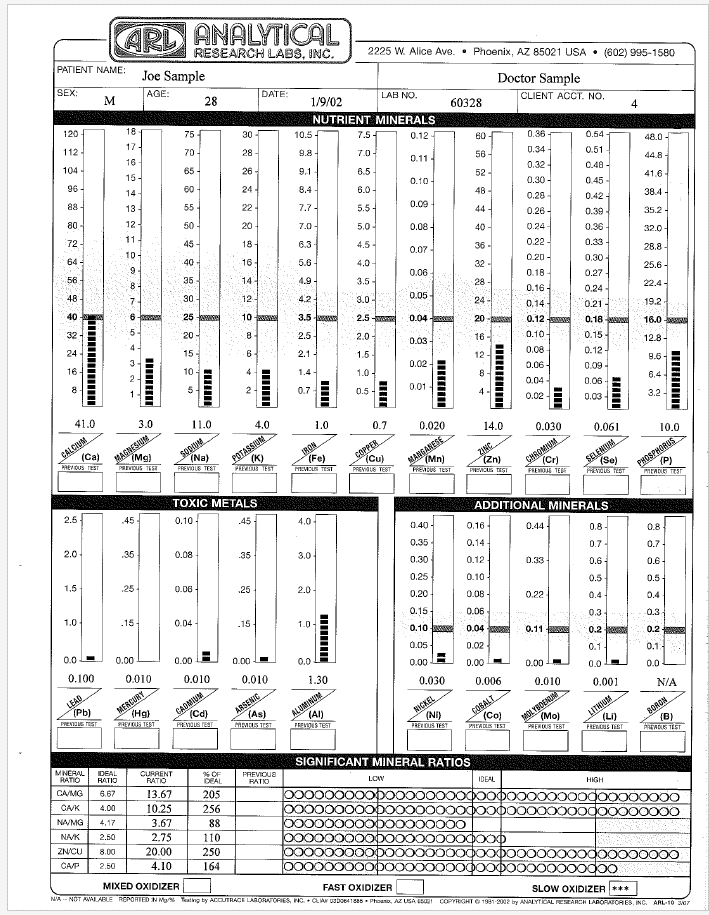
Analytical Research Labs Hair Minerals Test
$179.00$169.00Providing a mineral blueprint of one’s biochemistry, an Analytical Research Labs Hair Minerals Test reports levels of minerals and heavy metals in your body giving possible reasons for your symptoms, with suggestions for nutritional supplements and diet changes. Hair tissue mineral analysis can provide pertinent information about balanced nutrition, one’s metabolic rate, energy levels, sugar and carbohydrate tolerance, stage of stress, immune system and glandular activity.Analytical Research Labs Hair Minerals Test
$179.00 $169.00Successfully Added to your Shopping CartAdding to Cart... -
←→
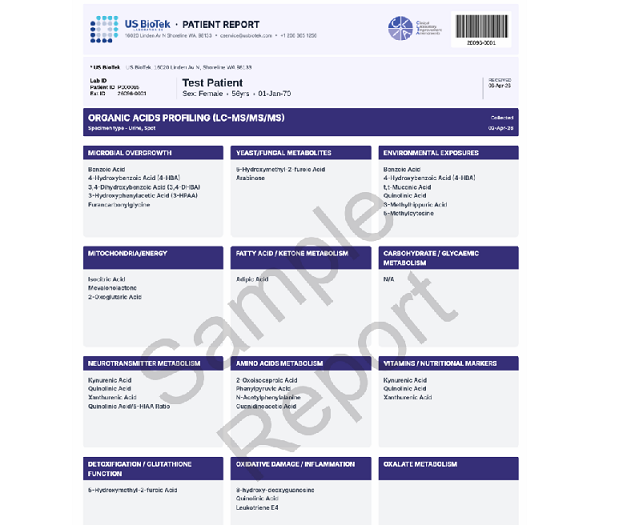
US BioTek Organic Acids Profile 120+ Markers
$399.00$329.00A unique biochemistry profile called Organic Acid Profile (OAP) can detect alterations in your gut, cellular deficiencies, levels of neurotrasmitters, exposures to mold or fungus and indicate need for specific nutrients, diet modifications and detoxification. This profile has been updated to include environmental pollutants for a more complete snapshot picture of toxic exposure to environmental chemicals.US BioTek Organic Acids Profile 120+ Markers
At Home Health Tests, Nutritional Tests, Mycotoxin Molds Tests, Autism Tests, Environmental Pollutants Tests, Organic Acids Tests, Detox Solutions, Vitamin Tests$399.00 $329.00Successfully Added to your Shopping CartAdding to Cart...
Supplements
-
←→
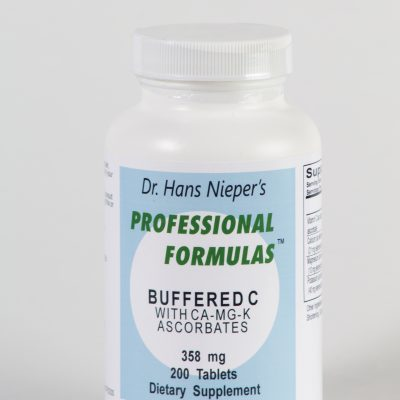
Buffered Vitamin C with Calcium, Magnesium & Potassium Ascorbate
$11.70Buffered C with Ca-Mg-K-Ascorbates 100ct.Buffered Vitamin C with Calcium, Magnesium & Potassium Ascorbate
Supplements, Vitamin Supplements, Skin Solutions, Cancer Solutions, Immune System Solutions, Antioxidant Supplements, Allergy Solutions, Autism Solutions$11.70Successfully Added to your Shopping CartAdding to Cart... -
←→
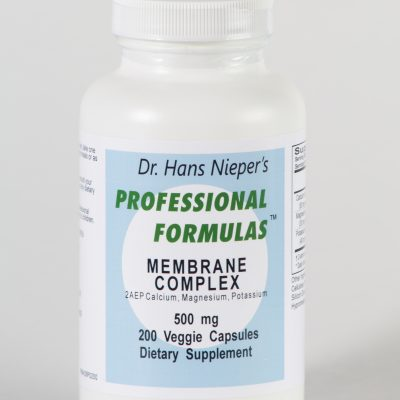
Membrane Complex
Supplements, Mineral Supplements, Heart Solutions, Skin Solutions, Probiotics Supplements, Bone Solutions, Lung Solutions, Muscle Solutions, Immune System Solutions$15.00Successfully Added to your Shopping CartAdding to Cart... -
←→
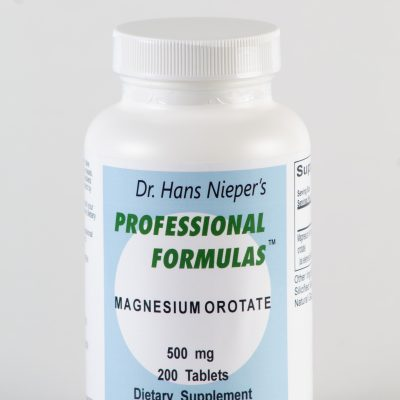
Magnesium Orotate
Supplements, Mineral Supplements, Heart Solutions, Immune System Solutions, Gastrointestinal Solutions, Allergy Solutions$25.10Successfully Added to your Shopping CartAdding to Cart... -
←→
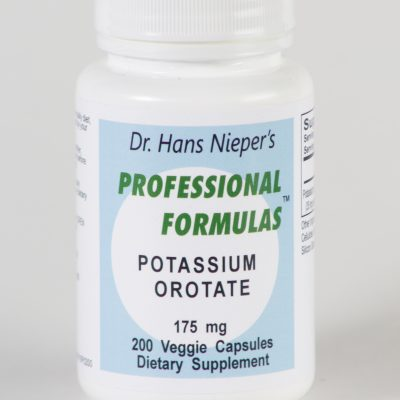
Potassium Orotate
Supplements, Mineral Supplements, Skin Solutions, Diabetes Solutions, Heart Solutions, Muscle Solutions, Hormone Solutions, Gastrointestinal Solutions$23.40Successfully Added to your Shopping CartAdding to Cart... -
←→
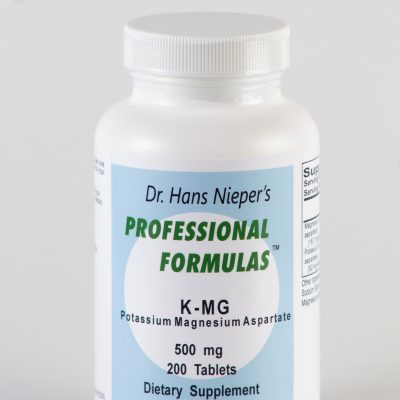
K-MG Potassium Magnesium
Supplements, Mineral Supplements, Headache Solutions, Heart Solutions, Muscle Solutions, Lung Solutions, Memory Loss Solutions, Anxiety, Stress, Depression Solutions$13.10Successfully Added to your Shopping CartAdding to Cart... -
←→
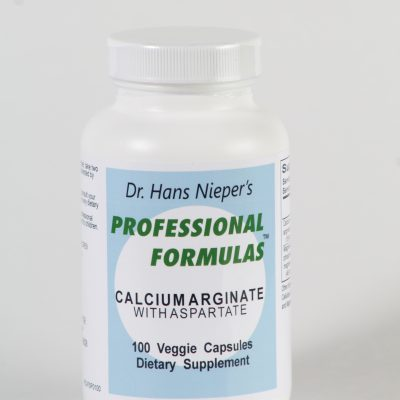
Calcium Arginate with Aspartate
Supplements, Mineral Supplements, Heart Solutions, Bone Solutions, Muscle Solutions, Anxiety, Stress, Depression Solutions, Amino Acids Supplements$14.40Successfully Added to your Shopping CartAdding to Cart... -
←→
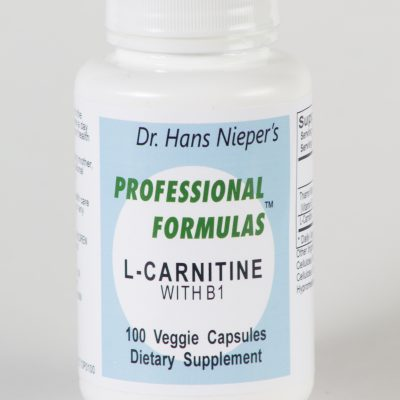
L-Carnitine w/ B1
Supplements, Amino Acids Supplements, Hormone Solutions, Heart Solutions, Muscle Solutions, Lung Solutions$18.60Successfully Added to your Shopping CartAdding to Cart... -
←→
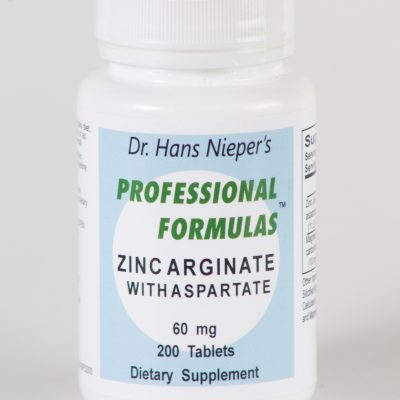
Zinc Arginate with Aspartate
Supplements, Mineral Supplements, Skin Solutions, Immune System Solutions, Amino Acids Supplements, Allergy Solutions$8.10Successfully Added to your Shopping CartAdding to Cart... -
←→
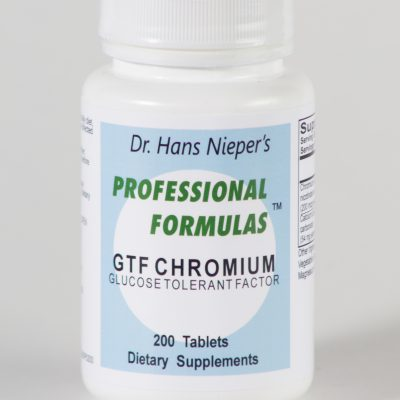
GTF Chromium Glucose Tolerance Factor
$4.60GTF Chromium Glucose Tolerance Factor with 200 mcg ChromiumGTF Chromium Glucose Tolerance Factor
Supplements, Mineral Supplements, Diabetes Solutions, Skin Solutions, Heart Solutions, Muscle Solutions, Anxiety, Stress, Depression Solutions, Fatigue Solutions$4.60Successfully Added to your Shopping CartAdding to Cart... -
←→
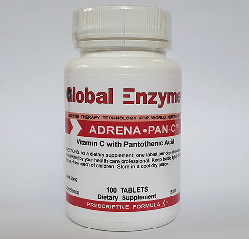
Adrena Pan-C
$17.50Combat stress and anxiety with the power of science. This unique blend includes adrenal and spleen nucleic acids as well as key components of vitamin C and coenzymes crucial for adrenal function. Adrena Pan-C supports your body's natural adrenal response. It's especially beneficial for those who get tired when stressed, or who have poor dietary habits.
References
- Dehydration, Cleveland Clinic
- Dehydration, Mayo Clinic
- Pediatric Dehydration, NIH
- Dehydration: Background, Pathophysiology, Etiology, Medscape