Table of Contents

Introduction to Weight Loss
Weight Loss Benefits
Achieving your goals can lead to numerous benefits, such as improved energy levels and enhanced mental clarity.
Losing weight is a journey that many embark on for various reasons, ranging from aesthetic desires to health improvements. This comprehensive guide aims to provide a well-rounded understanding of the processes involved in achieving this effectively and sustainably. It emphasizes the crucial roles of diet and exercise, the two foundational pillars of any successful approach to managing your health.
Additionally, understanding the motivations behind weight loss can further enhance your journey.
Understanding the significance of caloric management can motivate individuals to adopt healthier lifestyles.
Incorporating healthy habits into your lifestyle can lead to significant health improvements.
Achieving your fitness goals is not just about physical appearance; it can enhance your quality of life significantly.
Achieving your fitness goals is not just about physical appearance; it can enhance your quality of life significantly.
Understanding and implementing effective strategies will enhance your journey.
Moreover, effective strategies can contribute to better sleep and increased overall well-being.
Understanding the various aspects of managing your health is essential for anyone looking to improve their health.
Tracking your daily caloric intake is crucial for effective management.
Understanding health management is essential not only for achieving a specific goal but also for maintaining a healthy lifestyle. This article will cover everything from creating a balanced diet to effective exercise strategies, as well as ways to track your progress and stay motivated throughout your journey.
These strategies are vital for ensuring that your health journey is sustainable and healthy.
Understanding Weight Loss
Strategies focused on weight loss can enhance your journey toward better health.
Achieving a lower body weight occurs when the body expends more energy than it consumes. This energy imbalance can be achieved through dietary modifications, physical activity, or a combination of both.
Achieving your health goals requires commitment and a positive mindset.
Focusing on sustainable health improvement is essential for long-term benefits.
Understanding the importance of a healthy lifestyle can motivate you to stick to your health goals.
Incorporating effective strategies can make a significant difference in your health journey.
Embracing healthy living can lead to renewed energy and motivation to engage in activities you love.
Importance of maintaining a healthy weight encompasses numerous factors, including reducing the risk of chronic diseases, improving mental health, enhancing physical fitness, and increasing overall well-being. Understanding these motivations can help individuals find the drive needed to embark on their journey.
1. Effective Exercise Strategies for Achieving a Lower Weight
Understanding Macronutrients

These macronutrients are essential components to consider for successful weight loss.
Macronutrients are the nutrients required in larger amounts, which include carbohydrates, proteins, and fats. Each of these plays a specific role in the body’s functioning and needs to be balanced correctly for effective weight loss. Carbohydrates are the body’s primary energy source, proteins are essential for muscle repair and growth, and healthy fats are vital for hormone production and nutrient absorption.
By understanding the science of weight loss, individuals can make informed decisions about their health.
Understanding the complexities of weight loss can empower you to make healthier choices.
To create a balanced diet, it is crucial to consider not only the quantity of these macronutrients but also the quality. Opting for whole, unprocessed foods will provide nutrients and fiber that can aid in satiety, thereby supporting weight loss efforts.
2. Caloric Deficit Explained
A caloric deficit occurs when the number of calories burned exceeds the number of calories consumed. This deficit is the fundamental principle behind weight loss. To achieve this, individuals must either reduce their caloric intake or increase their physical activity levels, or ideally, a combination of both. Understanding how to calculate your basal metabolic rate (BMR) can help you set appropriate caloric targets for weight loss.
It’s essential to approach caloric deficits carefully; extreme restrictions can lead to nutrient deficiencies, metabolic slowdown, and unhealthy eating patterns. A moderate deficit of about 500 calories per day typically leads to a sustainable weight loss of 1 pound per week.
3. Foods to Include in Your Diet
Maintaining focus on your weight loss objectives is key to achieving long-term success.
Understanding the impact of nutrition on weight loss can lead to more effective dietary choices.
Incorporating nutrient-dense foods is key to achieving a balanced diet conducive to weight loss. Foods high in fiber, such as fruits, vegetables, whole grains, and legumes, help increase feelings of fullness and promote better digestion. Protein-rich foods like lean meats, fish, eggs, dairy, and plant-based proteins should also be prioritized to support muscle maintenance during weight loss.
Recognizing the importance of choices in your weight loss journey is crucial for success.
Furthermore, healthy fats found in avocados, nuts, seeds, and olive oil should not be neglected, as they provide essential fatty acids that benefit overall health. Choosing a variety of foods helps ensure a well-rounded intake of essential vitamins and minerals, which is crucial during weight loss.
4. Foods to Avoid

While focusing on nutritious foods is important, it is equally vital to recognize foods that hinder efforts to maintain a healthy weight. Highly processed foods, sugary snacks, and beverages can lead to excessive calorie consumption without providing adequate nutrition. These foods often lack fiber and protein, making them less satisfying and promoting overeating.
Additionally, trans fats and high-sugar products can contribute to weight gain and increase the risk of chronic diseases. Limiting these items not only aids in achieving a healthier weight but also promotes better overall health. A mindful approach to food choices can significantly impact your journey.
5. Effective Exercise Strategies for Achieving a Lower Weight
Types of Exercise
Exercise can be broadly categorized into aerobic (cardio) and anaerobic (strength training) activities. Aerobic exercises, such as running, cycling, and swimming, are excellent for burning calories and improving cardiovascular health. They can be particularly effective for creating a caloric deficit when performed regularly.
On the other hand, strength training helps build and maintain muscle mass, which is crucial for a healthy metabolism. Muscle tissue burns more calories at rest compared to fat tissue, meaning that increased muscle mass can support long-term weight maintenance. Therefore, a balanced exercise routine should incorporate both aerobic and strength training workouts.
Building an Exercise Routine
Creating an effective exercise routine involves setting specific, measurable, achievable, relevant, and time-bound (SMART) goals. Individuals should consider their fitness levels, available time, and personal preferences when designing a workout plan. A well-rounded routine might include a mix of cardio, strength training, and flexibility exercises, such as yoga or Pilates, to promote overall wellness.
Moreover, consistency is key. Finding enjoyable activities can enhance adherence to a workout program, making it easier to fit into a daily schedule. Engaging in various exercises can prevent boredom and provide comprehensive fitness benefits.
The Role of Strength Training

Strength training plays a crucial role in achieving a lower body weight by helping to preserve lean muscle mass during caloric deficits. As individuals lose weight, they may also lose muscle if not incorporating strength training into their routines. Maintaining muscle mass helps to keep metabolism elevated, making it easier to continue losing weight or maintain this over time.
Incorporating strength training exercises at least two to three times a week, targeting all major muscle groups, can significantly enhance weight loss results. These workouts can be done with free weights, resistance bands, or bodyweight exercises and should progressively become more challenging as strength improves.
Incorporating Cardio Workouts
Ultimately, the key to effective weight loss lies in aligning your lifestyle with your goals.

A well-defined plan for weight loss can transform your lifestyle positively.
Cardiovascular exercises are essential for burning calories and improving heart health. Engaging in at least 150 minutes of moderate-intensity aerobic activity each week is recommended. This can be achieved through activities such as brisk walking, cycling, or swimming.
High-intensity interval training (HIIT) is another effective strategy that combines short bursts of intense activity with rest periods. This method can maximize calorie burn in a shorter amount of time, making it a popular choice for those with busy schedules. Ultimately, finding a balance between cardio and strength training will yield the best results for weight loss.
6. Tracking Progress and Staying Motivated
Setting Realistic Goals
Setting realistic and achievable weight loss goals is crucial for long-term success. Rather than focusing solely on the number on the scale, consider broader objectives, such as improving fitness levels or adopting healthier eating habits. Goals should be specific and measurable, allowing individuals to monitor their progress effectively.
For example, instead of aiming to lose a specific number of pounds, one might set a goal to engage in physical activity for a certain number of minutes each week or to try cooking a healthy recipe once a week. By setting diverse and attainable goals, the journey to a healthier weight becomes more enjoyable and fulfilling.
Using Technology to Track Your Progress

Technology can play a significant role in weight loss management. Numerous apps and wearable devices can track food intake, physical activity, and weight changes, providing valuable insights into progress. These tools can help individuals stay accountable and identify trends in their behaviors.
Additionally, utilizing social media or online communities can enhance motivation. Sharing progress, challenges, and successes with others can create a sense of accountability and support, which can be invaluable during the weight loss journey.
Finding Accountability Partners

Having an accountability partner can significantly increase the likelihood of sticking to a weight loss program. Friends, family members, or even online acquaintances can provide essential encouragement, advice, and support. Regular check-ins and sharing experiences can help maintain motivation and commitment.
Regular monitoring of your weight loss journey can provide insights and motivation.
Additionally, participating in group fitness classes or online forums can foster a sense of community, allowing individuals to connect with others who share similar goals. This support network can make the weight loss journey more enjoyable and less isolating.
Common Challenges and Solutions
Overcoming Plateaus
Weight loss plateaus are common and can be frustrating. These occur when progress stalls despite continued efforts. To overcome plateaus, individuals can reassess their caloric intake and physical activity levels, as metabolism may adapt to lower caloric intakes over time.
Incorporating variety into workouts, such as trying new exercises or increasing intensity, can also stimulate progress. Furthermore, adjusting meal timing may reinvigorate efforts and help get past stagnation.
Handling Cravings
Cravings can be a significant barrier to sticking to a weight loss plan. Understanding the difference between physical hunger and emotional cravings is essential in managing them effectively. Engaging in mindful eating practices, such as pausing before indulging in a snack, can help individuals determine whether they are genuinely hungry.
Additionally, finding healthier alternatives to favorite treats can satisfy cravings without derailing progress. For example, swapping sugary snacks for fruit or opting for dark chocolate in place of milk chocolate can help maintain a balanced approach to eating.
Managing Time for Diet and Exercise
Time management is a common challenge for those looking to lose weight. Busy schedules often make it difficult to prepare healthy meals and find time for exercise. To combat this, planning meals and workouts in advance can streamline the process and ensure that healthy choices are prioritized.
Embarking on a weight loss journey requires motivation and the right mindset.
Time management is a common challenge for those looking to lose weight. Busy schedules often make it difficult to prepare healthy meals and find time for exercise. To combat this, planning meals and workouts in advance can streamline the process and ensure that healthy choices are prioritized.
Conclusion and Final Thoughts
Ultimately, maintaining a caloric deficit is vital for achieving your desired outcomes.
Recap of Key Points
In summary, successful weight loss requires a balanced approach involving diet and exercise, along with proper tracking and motivation strategies. Understanding macronutrients and maintaining a caloric deficit are critical components of an effective diet. Combining aerobic and strength training exercises is essential for maximizing results while preserving muscle mass.
Staying motivated through realistic goal setting and utilizing technology can significantly enhance the weight loss journey. Lastly, overcoming common challenges like plateaus and cravings while managing time effectively plays a crucial role in achieving lasting success.
Encouragement for Your Journey
Embarking on a weight loss journey can be daunting, but understanding the principles outlined in this article can empower individuals to make informed choices. Remember that the process takes time, and patience is key. Celebrate the small victories along the way, and do not hesitate to seek support from friends, family, or communities that align with your goals. With determination and the right strategies, achieving weight loss success is within reach.
FAQs
1. How much weight can I realistically lose in a week?
A realistic and healthy weight loss goal is about 1 to 2 pounds per week. This pace allows for sustainable changes and minimizes muscle loss.
2. Do I need to count calories to lose weight?
While counting calories can help in maintaining a caloric deficit, it’s not mandatory. Focusing on portion sizes and the quality of food can also be effective.
3. Is exercise necessary for weight loss?
Exercise significantly supports weight loss by burning calories and preserving muscle mass, but dietary changes alone can also lead to weight loss.
4. What should I do if I stop losing weight?
If weight loss stalls, reassess your diet and exercise routine. Consider consulting with a healthcare professional or nutritionist for personalized advice.
5. Can I lose weight without giving up my favorite foods?
Yes! Moderation is key. You can enjoy your favorite foods occasionally while still losing weight by balancing them with healthier choices.
Products
At Home Tests And Books
-

The Membrane Stabilizing Diet Book
$24.95The Membrane Stabilizing Diet was developed to address severe health challenges many face.
The spirit of food is to be enjoyed. Healing the body and brain requires precise nourishment, using a
balance of high quality protein (eggs have the highest absorption), seeds, nuts, green vegetables (raw and
cooked), lentils, berries, cold pressed oils, dairy products (goat can be substituted for cow’s milk) and
limited legumes/potato.
Many individuals, both children and adults, have successfully emerged from their illnesses by following the
Membrane Stabilizing Diet. It takes a substantial amount of perseverance to change one’s lifestyle and
eating patterns. We have attempted to show you a new way to prepare food which is both nourishing and
pleasurable. Taking good care of oneself is an important part of the healing process.Maximum quantity exceededMinimum purchase amount of 0 is required4 Left in StockMaximum purchase amount of 1 is allowedThe Membrane Stabilizing Diet Book
$24.95Successfully Added to your Shopping CartAdding to Cart... -
←→

OmegaQuant Hemoglobin A1c (HbA1C) Test Kit
$59.95Maximum quantity exceededMinimum purchase amount of 0 is requiredOmegaQuant Hemoglobin A1c (HbA1C) Test Kit
$59.95Successfully Added to your Shopping CartAdding to Cart... -
←→
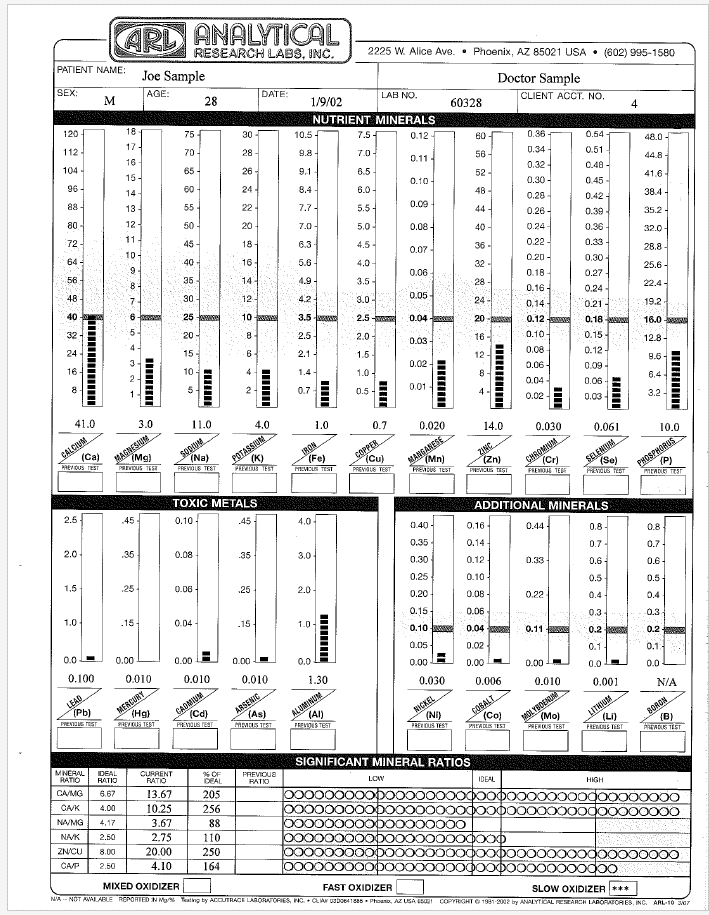
Analytical Research Labs Hair Minerals Test
$179.00$169.00Providing a mineral blueprint of one’s biochemistry, an Analytical Research Labs Hair Minerals Test reports levels of minerals and heavy metals in your body giving possible reasons for your symptoms, with suggestions for nutritional supplements and diet changes. Hair tissue mineral analysis can provide pertinent information about balanced nutrition, one’s metabolic rate, energy levels, sugar and carbohydrate tolerance, stage of stress, immune system and glandular activity.Analytical Research Labs Hair Minerals Test
$179.00 $169.00Successfully Added to your Shopping CartAdding to Cart... -
←→
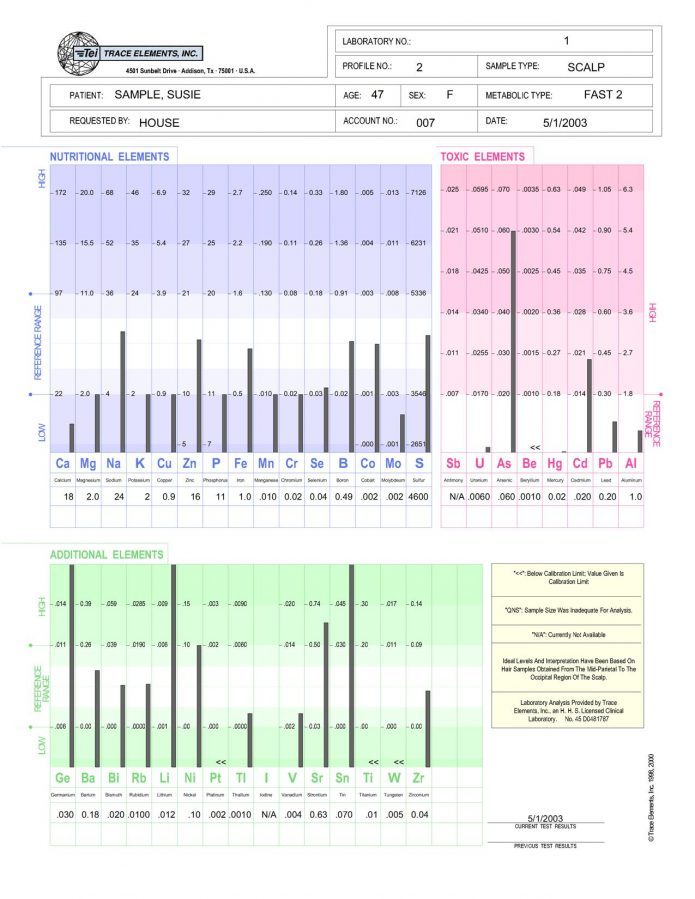
Trace Elements Hair Mineral and Toxic Elements
$188.00 $169.00Successfully Added to your Shopping CartAdding to Cart...
Supplements
_product productid=”60,38,47,49,64,43″ style=”1″ ]