

Table of Contents
Understanding Digestive Distress
Digestive system issues such as belching, gas, and bloating are common complaints that many individuals experience at some point in their lives. These symptoms can range from minor nuisances to significant discomfort, impacting daily activities and quality of life. To effectively address these issues, it’s essential to understand their underlying causes and how dietary choices can influence digestive health.
Belching, or burping, occurs when excess air is swallowed during eating or drinking. This air needs to be released, resulting in the audible release we recognize as belching. On the other hand, gas is produced in the intestines as a byproduct of digestion. Certain foods, particularly those high in fiber or sugar, can contribute to increased gas production, leading to bloating—a feeling of fullness or swelling in the abdomen.
Several factors can exacerbate these symptoms, including overeating, eating too quickly, and consuming carbonated beverages. Other contributing factors can include stress, which may disrupt the digestive process, and gastrointestinal disorders like irritable bowel syndrome (IBS) or lactose intolerance. Understanding these triggers is vital for managing and alleviating digestive distress.
The Impact of Diet on Digestion
Your diet plays a crucial role in how your digestive system functions. Foods that are difficult to digest, such as those high in fats, processed sugars, and certain carbohydrates, can lead to gas and bloating. Additionally, some individuals may have specific food intolerances that can cause these symptoms, such as lactose intolerance or gluten sensitivity. Being aware of what you consume can help in identifying specific culprits behind digestive discomfort.
Moreover, the timing and manner in which you eat can also affect digestion. Eating large meals too quickly can overwhelm the digestive system, leading to more gas and bloating. Transitioning to smaller, more frequent meals and practicing mindful eating can significantly improve digestive health.
Natural Foods to Combat Digestive Issues
Fruits and Vegetables That Help Reduce Gas
Certain fruits and vegetables are known for their digestive-friendly properties. For instance, bananas are rich in potassium and can help regulate fluid balance in the body, reducing bloating. Additionally, cucumbers and zucchini are hydrating and contain high water content, which can facilitate digestion. Foods that are high in fiber, such as spinach and carrots, promote smoother digestion and can help alleviate gas buildup.
Other beneficial options include avocados, which are rich in healthy fats and fiber, aiding in digestion, and berries, which are low in sugar and high in antioxidants. Incorporating these foods can create a more balanced and digestively friendly diet.
Herbs and Spices for a Healthier Gut
Herbs and spices not only enhance flavors in dishes but also offer significant health benefits for the digestive system. Ginger, for example, is a well-known natural remedy for nausea and can also help reduce bloating and gas. Fennel seeds have properties that can relax the muscles in the gastrointestinal tract, alleviating gas and bloating.
Other herbs such as peppermint can soothe the digestive tract and may help relieve symptoms of IBS. Turmeric, with its anti-inflammatory properties, can support overall digestive health. Adding these herbs to your meals or consuming them as teas can be a delightful and effective approach to improving digestion.
Fermented Foods to Boost Digestion
Fermented foods are rich in probiotics, which are beneficial bacteria that support gut health. Foods such as yogurt, kefir, sauerkraut, kimchi, and kombucha can significantly impact digestion. These foods not only help in breaking down food more efficiently but also improve the absorption of nutrients, potentially reducing gas and bloating.
Incorporating these fermented foods into your diet can help maintain a balanced gut microbiome, which is critical for digestive health. This balance can enhance digestion, reduce gas, and alleviate bloating over time.
Over-the-Counter Solutions
Effective OTC Medications for Gas Relief
For those who experience frequent or severe gas and bloating, over-the-counter (OTC) medications can provide immediate relief. Products containing simethicone, such as Gas-X or Mylanta Gas, work by breaking up gas bubbles in the stomach, making it easier to pass gas and relieve discomfort.
Activated charcoal tablets are another option that some people find helpful; they can absorb gas in the digestive tract. However, it’s important to consult with a healthcare provider before starting any OTC medication to ensure it’s suitable for your specific needs.
When to Consider Probiotics
Probiotics are live microorganisms that can offer health benefits when consumed in adequate amounts. These beneficial bacteria can help restore balance in the digestive system, especially after antibiotic use or during digestive disturbances. Probiotics can be found in supplements and various fermented foods.
If you experience chronic digestive issues, considering a probiotic supplement might be beneficial. There are various strains available, each targeting different digestive concerns. Consulting with a healthcare professional can help determine the most appropriate strain for your specific symptoms.
Choosing the Right Antacids
Antacids are commonly used to relieve symptoms of heartburn and acid indigestion, but they can also be effective in managing some types of bloating. When selecting an antacid, it’s crucial to choose one that aligns with your specific symptoms. Some antacids may contain ingredients that help neutralize stomach acid, while others may include simethicone to reduce gas.
It’s advisable to read labels carefully and consider any other medications you may be taking to avoid interactions. If antacids are frequently needed, it may indicate an underlying issue that should be addressed with a healthcare provider.
Lifestyle Changes for a Healthier Digestive System
Hydration and Its Role in Digestion
Staying hydrated is essential for maintaining a healthy digestive system. Water aids in breaking down food, making nutrients more accessible for absorption. Additionally, adequate hydration helps prevent constipation, which can lead to abdominal discomfort and bloating. A general guideline is to drink at least eight glasses of water daily, but individual needs may vary based on activity level and climate.
Incorporating hydrating foods like cucumbers, oranges, and melons can also contribute to your overall fluid intake. Moreover, reducing caffeine and alcohol consumption, which can dehydrate the body, is advisable for better digestive health.
Mindful Eating Practices
Mindful eating involves paying full attention to the eating experience, including the taste, textures, and aromas of food. This practice encourages slower eating, which can help reduce the intake of air and prevent overeating. By being present during meals, you can better recognize hunger and fullness cues, leading to more balanced portion sizes.
Engaging in mindful eating can significantly reduce digestive issues related to fast eating habits, such as gas and bloating. Techniques such as chewing food thoroughly and putting utensils down between bites can create a more intentional eating experience.
The Importance of Regular Exercise
Regular physical activity is vital for overall health and plays a significant role in digestion. Exercise helps stimulate the digestive tract, promoting regular bowel movements and minimizing bloating. Additionally, physical activity can reduce stress, which is known to negatively impact digestion.
Incorporating activities such as walking, yoga, or cycling into your routine can bring about positive changes in your digestive health. Aiming for at least 30 minutes of moderate exercise most days of the week can significantly contribute to a healthier digestive system.
Expert Tips for Long-term Digestive Health
Creating a Digestive-Friendly Meal Plan
Planning meals with digestion in mind can help prevent discomfort associated with gas and bloating. A balanced meal plan should include a variety of fruits, vegetables, whole grains, lean proteins, and healthy fats. It’s also beneficial to include smaller, more frequent meals rather than large, heavy ones to reduce the burden on your digestive system.
Including a source of probiotics in your diet, such as yogurt or fermented vegetables, can also be advantageous. Additionally, keeping a food journal can help identify any food intolerances or triggers, allowing for a more tailored approach to diet and digestion.
Monitoring Food Intolerances
Identifying and monitoring food intolerances can be crucial for those experiencing chronic digestive issues. Common culprits include lactose, gluten, and certain types of carbohydrates known as FODMAPs. Conducting an elimination diet under professional guidance can help pinpoint specific foods that may be contributing to symptoms.
Once identified, avoiding these foods or finding suitable substitutes can lead to significant improvements in digestive health and overall well-being. Regularly reassessing your diet can also help accommodate changes in tolerance levels.
Consulting with a Healthcare Professional
For ongoing digestive issues, consulting with a healthcare professional is essential. They can provide personalized advice based on individual health needs and may recommend tests to rule out underlying conditions. A registered dietitian, in particular, can help create a tailored nutrition plan that aligns with your digestive health goals.
Receiving professional guidance can empower individuals to manage their digestive health proactively and effectively, leading to improved quality of life.
FAQs about Digestive Health
What are the symptoms of a digestive problem?
Symptoms of a digestive problem may include abdominal pain, bloating, gas, constipation, diarrhea, nausea, or vomiting.
How do you treat digestive problems?
Increase fiber intake, stay hydrated, avoid trigger foods, and consider probiotics.
How can I solve my digestion problem?
Increase fiber intake, stay hydrated, and consider a probiotic supplement.
What can I do to reduce bloating after meals?
To reduce bloating after meals, consider eating smaller portions, avoiding carbonated drinks, and incorporating digestive-friendly foods like ginger and peppermint. Chewing food thoroughly and eating slowly can also help minimize bloating.
Are there specific foods I should avoid to prevent gas?
Avoid foods that are high in fiber, carbonated beverages, and dairy products if you experience gas. Common gas-producing foods include beans, lentils, broccoli, onions, and carbonated beverages. Each person may react differently, so tracking your diet can help identify specific triggers.
How often should I incorporate probiotics into my diet?
Incorporating probiotics into your diet daily through food sources like yogurt, kefir, or fermented vegetables is beneficial. If considering supplements, consult with a healthcare provider for the appropriate type and dosage.
What lifestyle changes can significantly improve digestion?
Engaging in regular exercise, staying hydrated, and practicing mindful eating can significantly improve digestion. Additionally, managing stress and ensuring you get adequate sleep are crucial components of digestive health.
Summary of Main Points
Digestive distress, including belching, gas, and bloating, can significantly affect daily life. Understanding their causes, particularly dietary factors, is essential for effective management. Incorporating natural foods like fruits, vegetables, herbs, spices, and fermented products can enhance digestive health. Over-the-counter solutions can provide immediate relief, but lifestyle changes including hydration, mindful eating, and regular exercise are vital for long-term improvements. Consulting with healthcare professionals for personalized advice can empower individuals to achieve better digestive health.
Products to Revive Your Digestive System
At Home Tests
-
←→
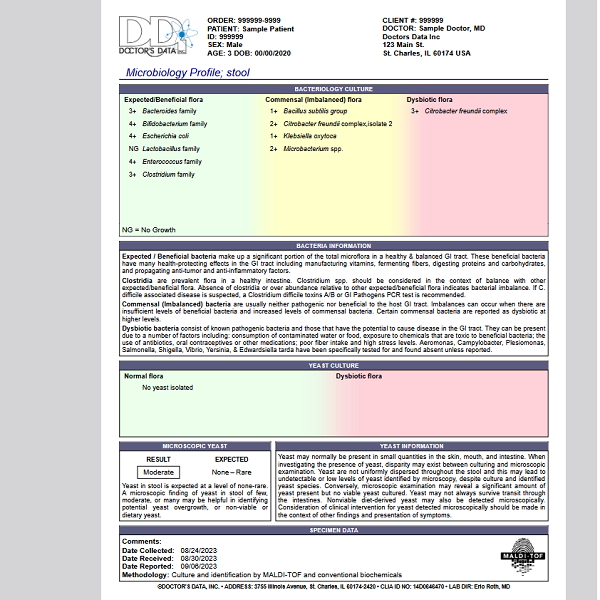
Doctors Data Microbiology Stool Test
$159.00The Doctors Data Microbiology Stool Test identifies bacteria in the stool, yeast in the stool, the presence of imbalanced flora, and beneficial flora. This test identifies Clostridium species, and dysbiotic flora, as well as infectious pathogens.- Buy 2 at $154.00
Doctors Data Microbiology Stool Test
At Home Health Tests, Gastrointestinal Tests, Inflammation Solutions, Gastrointestinal Solutions, Candida Solutions$159.00Successfully Added to your Shopping CartAdding to Cart... -
←→
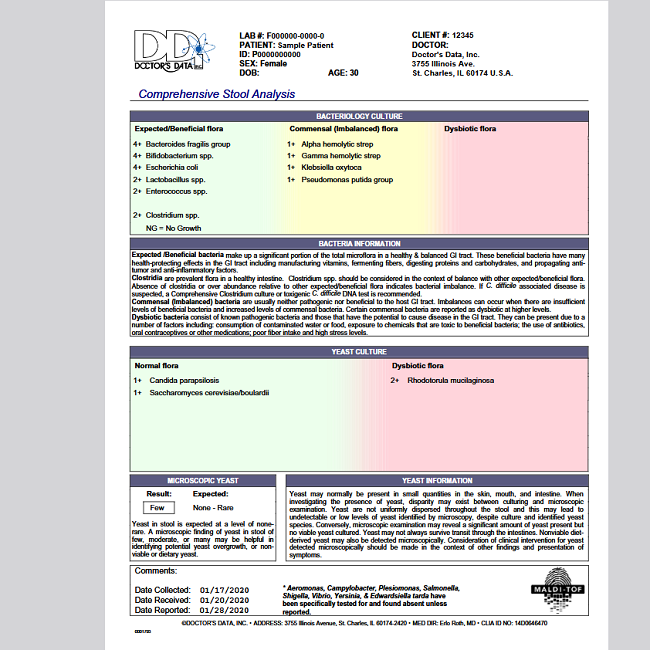
Doctors Data Comprehensive Stool Analysis CSA Microbiome
$601.00$379.00Doctors Data Comprehensive Digestive Stool Analysis helps pinpoint the causes of gastrointestinal issues, symptoms and chronic systemic conditions, by measuring key markers of digestion, absorption and inflammation.Doctors Data Comprehensive Stool Analysis CSA Microbiome
At Home Health Tests, Gastrointestinal Tests, Inflammation Solutions, Skin Solutions, Gastrointestinal Solutions, Candida Solutions$601.00 $379.00Successfully Added to your Shopping CartAdding to Cart... -
←→
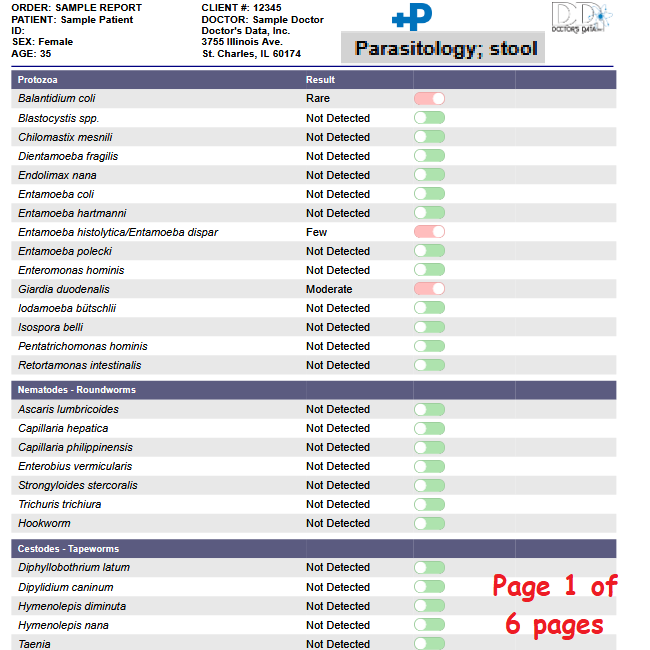
Doctors Data Parasitology 3-Day Stool Test
$209.00$179.00The Doctors Data Parasitology Stool Test identifies parasites in the stool.Doctors Data Parasitology 3-Day Stool Test
$209.00 $179.00Successfully Added to your Shopping CartAdding to Cart... -
←→
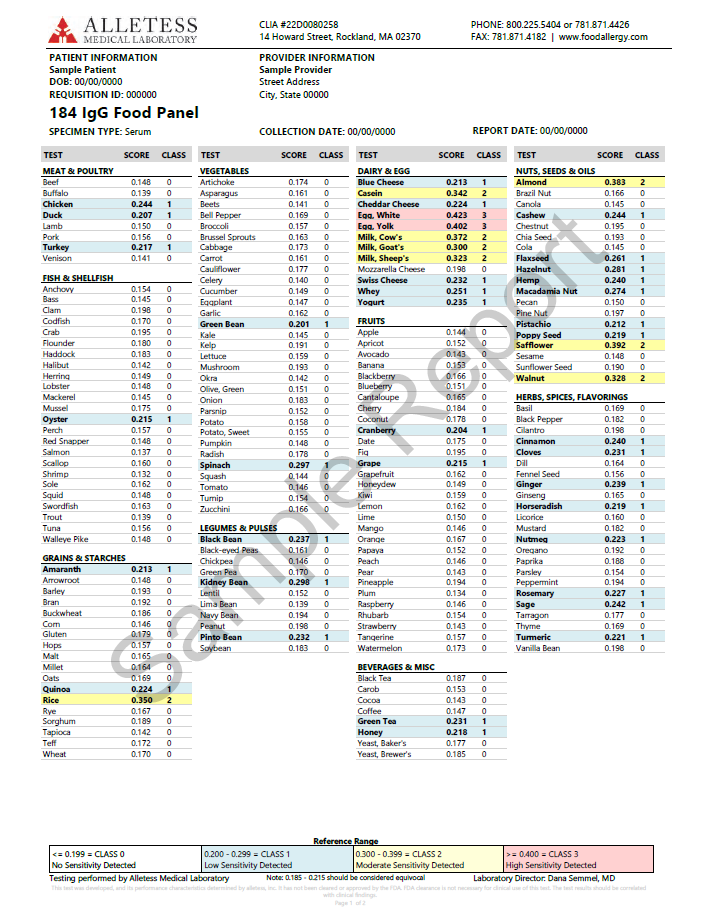
Alletess Food Allergy Sensitivity Test
$269.00 $223.00 - $383.00Food sensitivities may be causing many of your health issues. Test now with this convenient at home test; no lab visit required.Alletess Food Allergy Sensitivity Test
At Home Health Tests, Allergy Tests, Blood Spot Tests, Allergy Solutions, Lung Solutions, Gastrointestinal Solutions$269.00 $223.00 - $383.00Successfully Added to your Shopping CartAdding to Cart... -
←→
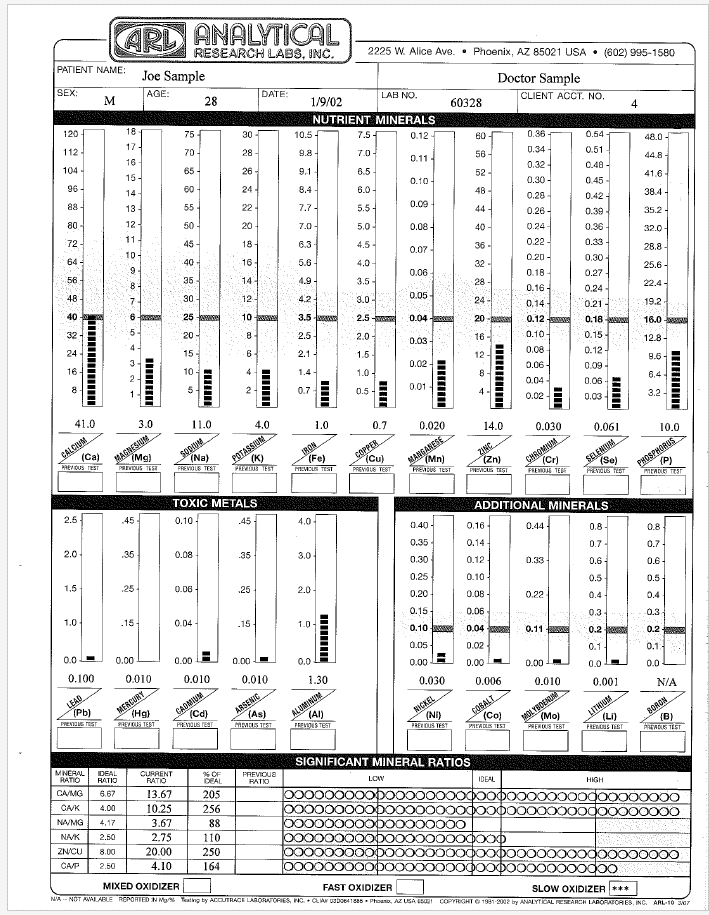
Analytical Research Labs Hair Minerals Test
$179.00$169.00Providing a mineral blueprint of one’s biochemistry, an Analytical Research Labs Hair Minerals Test reports levels of minerals and heavy metals in your body giving possible reasons for your symptoms, with suggestions for nutritional supplements and diet changes. Hair tissue mineral analysis can provide pertinent information about balanced nutrition, one’s metabolic rate, energy levels, sugar and carbohydrate tolerance, stage of stress, immune system and glandular activity.Analytical Research Labs Hair Minerals Test
$179.00 $169.00Successfully Added to your Shopping CartAdding to Cart... -
←→
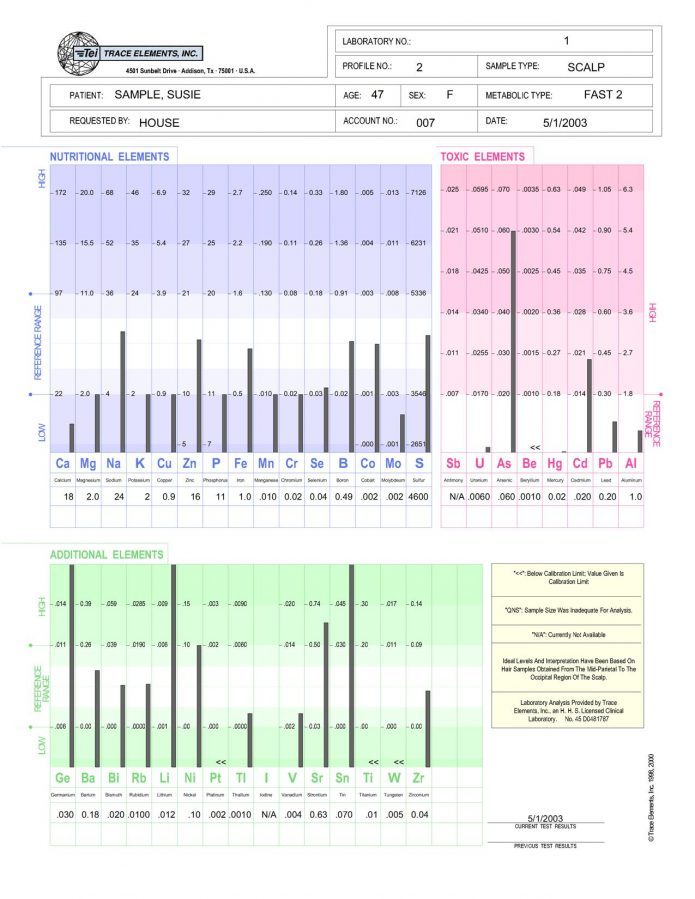
Trace Elements Hair Mineral and Toxic Elements
Nutritional Tests, At Home Health Tests, Toxic Metals Tests, Autism Tests, Immune System Tests, Hair Tests, Weight Control Solutions$188.00 $169.00Successfully Added to your Shopping CartAdding to Cart...
Supplements
-
←→

-
←→
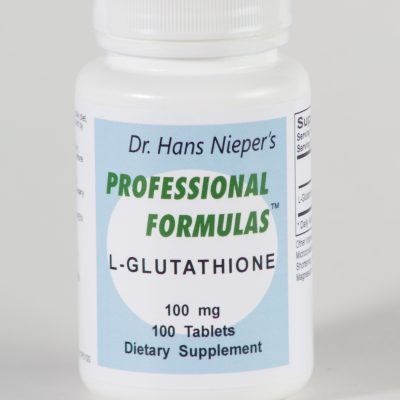
L-Glutathione
$39.00L-Glutathione (GSH) 100 TabletsMaximum quantity exceededMinimum purchase amount of 0 is requiredL-Glutathione
Supplements, Autism Solutions, Detox Solutions, Heart Solutions, Immune System Solutions, Nerve Damage Solutions, Antioxidant Supplements, Gastrointestinal Solutions$39.00Successfully Added to your Shopping CartAdding to Cart... -
←→

Nieperzyme with Zinc
Supplements, Probiotics Supplements, Heart Solutions, Bone Solutions, Muscle Solutions, Immune System Solutions, Antioxidant Supplements, Gastrointestinal Solutions$20.40Successfully Added to your Shopping CartAdding to Cart...




Thanks for posting. I really enjoyed reading it, especially because it addressed my problem. It helped me a lot and I hope it will help others too.
excellent work and producing in the group!
Great! I had been a little bit acquainted of this your broadcast provided bright clear concept
Thank you for any other fantastic article. Where else may anyone get that type of info in such an ideal means of writing?
I have discovered this information absolutely useful and it has aided me out loads. I am hoping to give a contribution & assist other users like it helped me. Great job.
Very fastidious discussion on the topic of this article at this website
This is my first time pay a visit at here and i am really pleasant to read all at single place.
What you say is valuable. Your content is excellent but with pics and videos, this site could certainly be one of the best in its niche. Terrific blog!
Hello mates, its wonderful post on the topic and entirely explained, keep it up all the time.
It’s a pity you don’t have a donate button! I’d definitely donate to this fantastic blog! I guess for now i’ll settle for bookmarking and adding your RSS feed to my Google account. I look forward to new updates and will share this blog with my Facebook group. Talk soon!
I stumbled over here coming from a different web page and thought I might check things out. I like what I see so now i’m following you.
You actually make it seem so easy with your presentation. I find this matter to be actually something that I think I would understand. I’m looking forward for your next post!
Hello to all, the contents existing at this web page are genuinely remarkable for people’s health knowledge, well, keep up the good work fellows.
Great post. I was checking constantly this blog and I am impressed! Extremely useful information specifically the last part 🙂 I care for such information a lot. I was seeking this certain info for a long time. Thank you and good luck.
I found your article very interesting. It’s worth lots for me. Personally, if all webmasters and bloggers made good content as you did, the web will be much more useful than ever before.
That is a very good tip especially to those new to the blogosphere. Short but very accurate information… Many thanks for sharing this one. A must read article!
I am not sure where you are getting your info, but good topic. I needs to spend some time learning more or understanding more. Thanks for excellent info I was looking for this information for my mission.
I’m not that much of a internet reader to be honest but your blogs really nice, keep it up! I’ll go ahead and bookmark your site to come back down the road. Many thanks
Hello my loved one! I wish to say that this post is amazing, great written and include approximately all significant infos. I would like to see extra posts like this .
Nice post. I learn something new and challenging on sites I stumbleupon everyday. It’s always exciting to read through content from other authors and practice a little something from other web sites.
Nice post. I learned something totally new and challenging.
Keep working ,fantastic job!
I’d like to thank you for the efforts you have put in writing this blog.I’m hoping to check out the same high-grade content from you later on as well. In truth, your creative writing abilities has motivated me to get my very own website now 😉
Thanks for sharing your thoughts.
Regards