Table of Contents
Introduction to Detoxing
Detoxification, often referred to as detox, is a process aimed at eliminating toxins such as heavy metals from the body, and to improve health. In recent years, detox programs have gained popularity, particularly among those looking to improve health, lose weight, or reset their lifestyle choices. However, embarking on a detox journey requires careful preparation and understanding of the various options available. This article will guide you through the essential steps to take before starting a detoxification program, ensuring that you are well-informed and ready to make positive changes.
Understanding Detoxification

Detoxification is a natural process that the body undergoes to remove harmful substances. The liver, kidneys, lungs, and skin work synergistically to filter out toxins and waste products. While the body is equipped to manage detoxification independently, certain lifestyle factors—such as poor diet, stress, and environmental exposure—can overwhelm these systems. Detox programs are designed to support and enhance this natural process, providing the body with the resources it needs to function optimally.
Many people resort to detox programs to address issues such as fatigue, digestive problems, and skin conditions. However, it’s crucial to understand that not all detox methods are created equal, and some may even be detrimental to your health if not approached correctly.
Benefits of a Detox Program
Engaging in a detox program can yield a variety of benefits. One primary advantage is the potential for improved energy levels. By eliminating processed foods, sugar, and alcohol, many participants report feeling more energetic and alert. Additionally, detoxing may lead to weight loss, as it often encourages healthier eating habits and reduced caloric intake.
Moreover, detox programs can enhance mental clarity and emotional well-being. By focusing on nutrient-rich foods and hydration, individuals often experience a boost in mood and cognitive function. Finally, detoxing can kickstart a healthier lifestyle by setting a foundation for better dietary choices and habits moving forward.
Step 1: Research Different Detox Methods

The first step before starting a detox program is to conduct thorough research on the various methods available. Detox programs can range from juice cleanses and water fasts to herbal detoxes and raw food diets. Each method has its unique approach to cleansing the body and may yield different results.
For example, juice cleanses involve consuming only vegetable and fruit juices for a specified period, aimed at flooding the body with vitamins and minerals while giving the digestive system a break. Conversely, detox diets that focus on whole foods typically emphasize eliminating processed ingredients and incorporating fresh produce, whole grains, and lean proteins. Understanding the various options will help you choose a program that aligns with your personal goals and lifestyle.
Types of Detox Programs
- Juice Cleanse: Consists of consuming only juices for a set duration.
- Water Fast: Involves abstaining from all food and consuming only water.
- Herbal Detox: Utilizes herbal supplements to support liver and kidney functions.
- Raw Food Diet: Focuses on consuming uncooked and unprocessed foods.
- Elimination Diet: Involves removing specific food groups to pinpoint sensitivities.
Pros and Cons of Each Method
Juice cleanses can provide quick results but may lack essential nutrients if done for an extended period.
Water fasting can lead to significant detoxification but can also result in fatigue and nutrient deficiencies.
Herbal and raw food diets tend to be more sustainable long-term but require planning and commitment.
Weighing these factors will help you make an informed decision.
Step 2: Consult with a Healthcare Professional

Before starting any detox program, consulting with a healthcare professional is crucial. A doctor or nutritionist can provide personalized advice based on your health history and current conditions. This step is particularly important for individuals with underlying health issues or those taking medications, as certain detox methods may conflict with medical treatments or exacerbate existing conditions.
Having a professional guide you through the detox process can also enhance safety and effectiveness. They can help you identify potential risks and suggest modifications to ensure your detox experience is both beneficial and safe.
Importance of Professional Guidance
Professional guidance is essential in navigating the complexities of detoxification. In addition to addressing medical concerns, healthcare providers can assist in creating a tailored detox plan that aligns with your health goals. They can also help ensure that you are meeting your nutritional needs during the detox process, minimizing the risk of deficiencies or adverse effects.
Questions to Ask Your Doctor
When consulting with a healthcare professional, consider asking the following questions:
- What detox methods do you recommend based on my health status?
- Are there any specific precautions I should take?
- How long should I plan to detox?
- What signs should I look out for that indicate I need to stop the detox?
- How can I transition back to a regular diet after detoxing?
Step 3: Assess Your Current Health Status
Before initiating a detox program, it’s essential to assess your current health status. This assessment involves identifying any underlying health issues that may affect your ability to detox effectively. Conditions such as diabetes, liver diseases, or gastrointestinal disorders may require special considerations when planning a detox.
Furthermore, evaluating your lifestyle factors—such as diet, exercise, stress management, and sleep habits—can provide insight into how your body may respond to detoxification. Understanding your baseline health will help you set realistic expectations for your detox experience and outcomes.
Identifying Underlying Health Issues
Many individuals may not be aware of existing health issues that could complicate a detox program. It’s important to undergo routine medical check-ups and screenings to identify any underlying conditions. If you have concerns about whether you can safely participate in a detox program, discussing these with a healthcare provider is necessary.
Evaluating Lifestyle Factors

In addition to physical health, evaluating lifestyle factors is crucial for a successful detox. Consider your daily habits, including dietary choices, exercise frequency, and stress levels. For example, individuals with high-stress lifestyles may find it more challenging to implement a strict detox regimen. Understanding these factors can help you tailor your detox approach for better chances of success.
Step 4: Set Clear Goals for Your Detox
Having clear goals is essential for any detox program. Before you begin, define what you hope to achieve during your detox. Common goals include weight loss, improved digestion, increased energy, or clearer skin. By setting specific outcomes, you can more effectively measure the success of your detox.
Additionally, creating a realistic timeline is important. Detox programs can vary in length, from a few days to several weeks, and selecting a timeframe that fits your lifestyle and commitments will help you maintain motivation. Break down your goals into smaller, manageable steps that you can work towards throughout the detox process.
Defining What You Hope to Achieve
When defining your goals, it’s helpful to write them down and keep track of your progress. For instance, if your goal is to lose weight, specify how much weight you aim to lose and by when. Alternatively, if your focus is on improving your digestion, note specific symptoms you hope to alleviate. This clarity will keep you focused and motivated throughout the detox journey.
Creating a Realistic Timeline
A realistic timeline allows you to approach detoxing methodically rather than impulsively. If you choose a program that lasts ten days, outline what you will do each day, including meal plans and activities. Planning for potential challenges, such as cravings or energy dips, will prepare you for success and help you stick to your detox strategy.
Step 5: Prepare Mentally and Physically

The final step before starting a detox program is to prepare both mentally and physically. Mental readiness is crucial since detoxing can be challenging and may involve changes to ingrained habits. Cultivating a positive mindset and being open to the experience can enhance your overall success.
Physically preparing for a detox includes making necessary lifestyle adjustments, such as reducing caffeine intake or gradually eliminating certain foods before the program begins. This phased approach can help lessen withdrawal symptoms and make the transition smoother.
Mental Readiness for Change
Getting mentally ready for your detox means acknowledging that the journey may be uncomfortable at times. Anticipate challenges, such as cravings or social situations where food is involved. Develop strategies for coping with these obstacles, such as exploring mindfulness techniques or seeking support from friends and family.
Stocking Up on Necessary Supplies
Preparing your kitchen and pantry is essential for a successful detox. Stock up on fresh fruits, vegetables, herbal teas, and any supplements that you plan to incorporate. Clearing out unhealthy snacks and processed foods will help minimize temptation during the detox process. This proactive approach will create an environment conducive to your health goals and keep you focused on nutritious options.
Conclusion: Taking the First Step Towards Detox

Embarking on a detox program can be a transformative experience, provided that you take the necessary steps beforehand. By researching different methods, consulting with healthcare professionals, assessing your health, setting clear goals, and preparing mentally and physically, you position yourself for success. Remember, detoxification is not just about short-term changes; it can also lead to sustainable lifestyle improvements.
Frequently Asked Questions (FAQs)
1. How often should I detox?
The frequency of detoxing varies among individuals. Some may benefit from a detox every few months, while others might choose to do it more or less frequently based on their health goals.
2. Can anyone detox?
While many people can safely participate in detox programs, those with certain medical conditions or pregnant individuals should consult a healthcare professional beforehand.
3. What are the signs that I need to stop detoxing?
If you experience severe fatigue, dizziness, persistent headaches, or other concerning symptoms, it’s important to listen to your body and consult a healthcare provider.
4. Will I regain weight after detoxing?
Some individuals may regain weight after a detox if they return to unhealthy eating habits. To maintain results, focus on implementing sustainable changes in your diet and lifestyle.
5. What should I eat after detoxing?
After detoxing, gradually reintroduce foods into your diet. Focus on whole, nutrient-dense options like fruits, vegetables, whole grains, and lean proteins to support your health goals.
Products
At Home Tests
-
←→
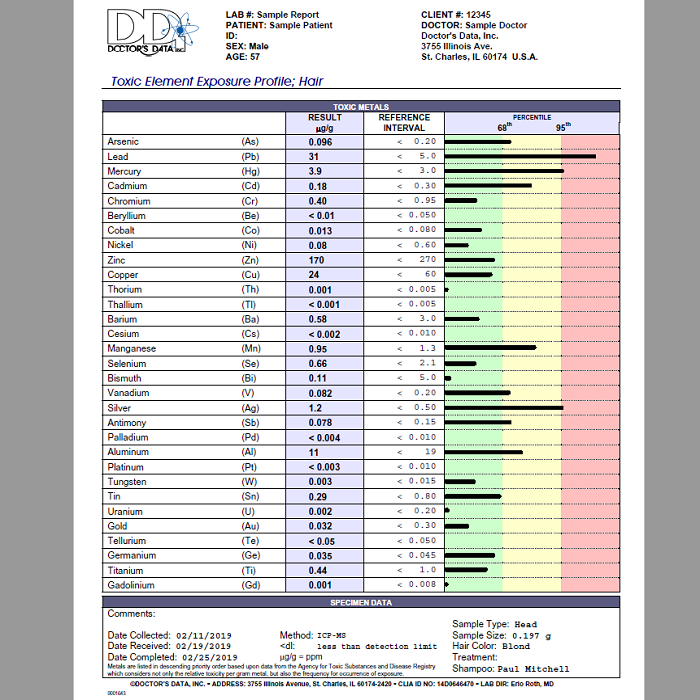
Doctors Data Hair Toxic Elements Test
$174.00$159.00Doctors Data Hair Toxic Elements Test is a noninvasive screening hair test reports an expanded lineup of toxic metals as well as specific nutrient elements.Doctors Data Hair Toxic Elements Test
At Home Health Tests, Toxic Metals Tests, Autism Tests, Detox Solutions, Diabetes Solutions, Fatigue Solutions, Memory Loss Solutions, Autism Solutions, Hair Tests$174.00 $159.00Successfully Added to your Shopping CartAdding to Cart... -
←→
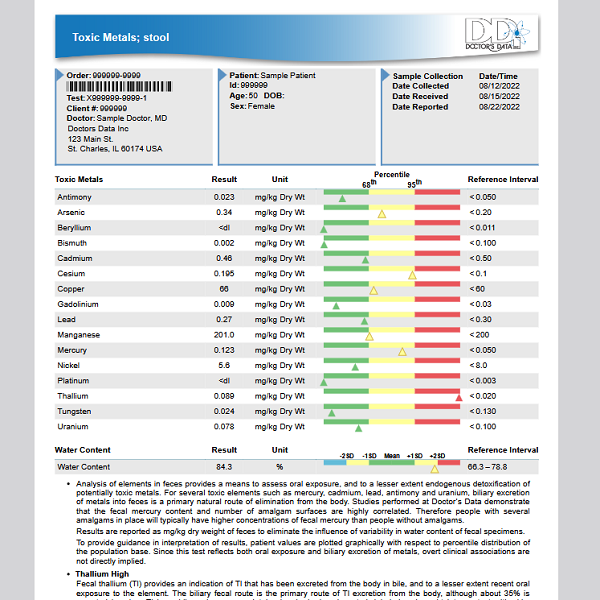
Doctors Data Stool Toxic Metals Test
$225.00$189.00The Doctors Data Stool Toxic Elements Test is an analysis of toxic elements in feces providing a comprehensive evaluation of environmental exposure, potential for accumulation in the body, and possibly endogenous detoxification of potentially toxic metals.- Buy 2 at $184.00
Doctors Data Stool Toxic Metals Test
$225.00 $189.00Successfully Added to your Shopping CartAdding to Cart... -
←→
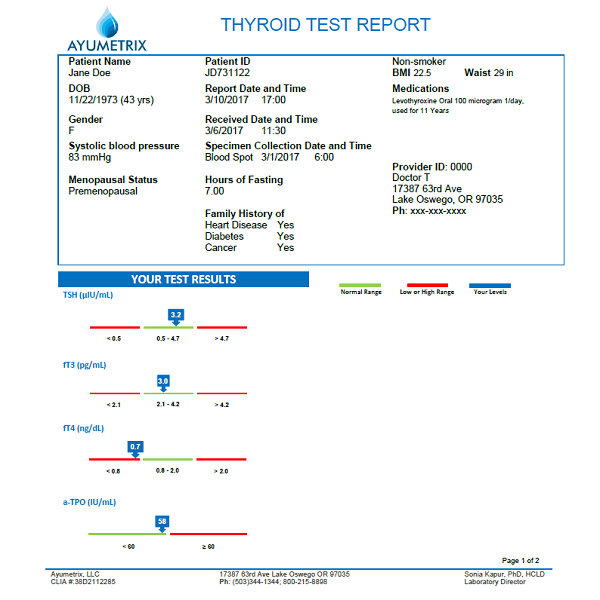
Ayumetrix Thyroid Blood Spot Test
$135.00Ayumetrix Thyroid Blood Spot Test for TSH, fT3, fT4, TPO, provides an assessment of thyroid function.- Buy 2 at $130.00
Ayumetrix Thyroid Blood Spot Test
$135.00Successfully Added to your Shopping CartAdding to Cart... -
←→
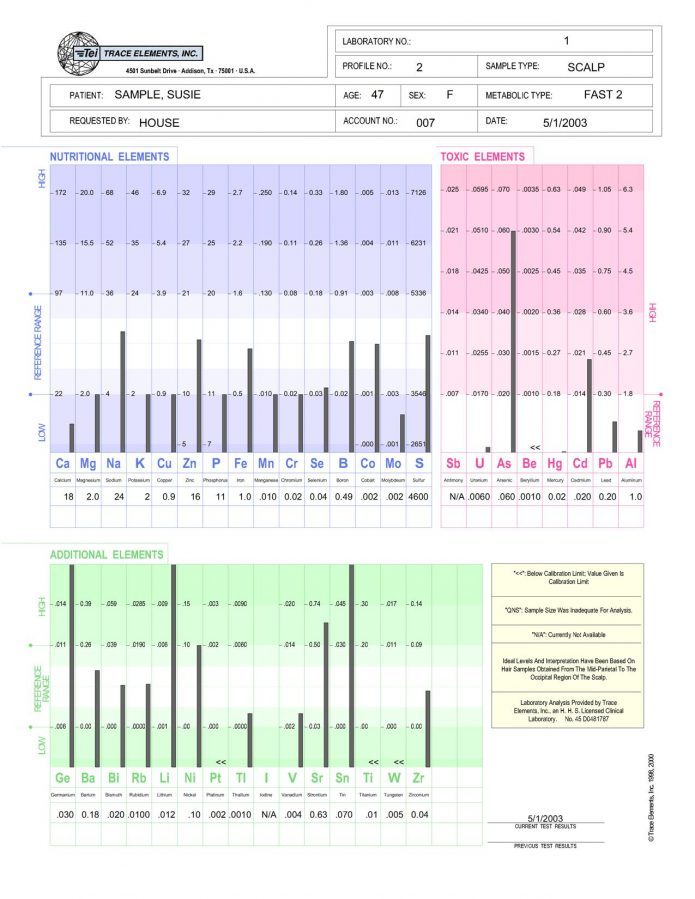
Trace Elements Hair Mineral and Toxic Elements
Nutritional Tests, At Home Health Tests, Toxic Metals Tests, Autism Tests, Immune System Tests, Hair Tests, Weight Control Solutions$188.00 $169.00Successfully Added to your Shopping CartAdding to Cart... -
←→
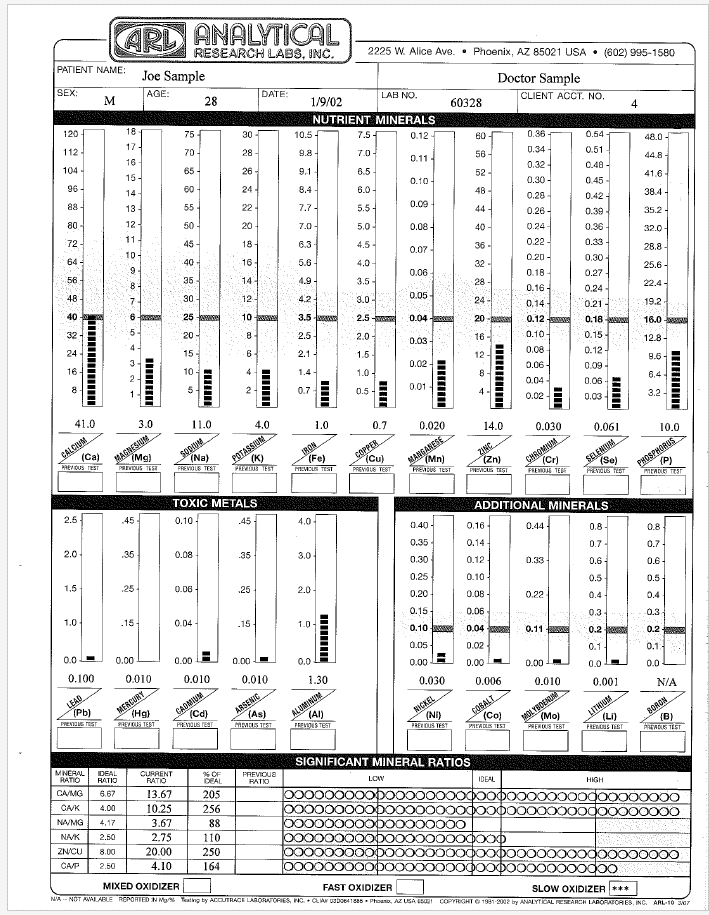
Analytical Research Labs Hair Minerals Test
$179.00$169.00Providing a mineral blueprint of one’s biochemistry, an Analytical Research Labs Hair Minerals Test reports levels of minerals and heavy metals in your body giving possible reasons for your symptoms, with suggestions for nutritional supplements and diet changes. Hair tissue mineral analysis can provide pertinent information about balanced nutrition, one’s metabolic rate, energy levels, sugar and carbohydrate tolerance, stage of stress, immune system and glandular activity.Analytical Research Labs Hair Minerals Test
$179.00 $169.00Successfully Added to your Shopping CartAdding to Cart...
Supplements
-
←→
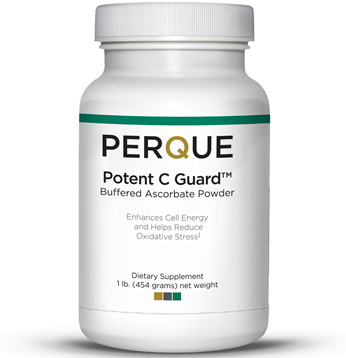
Perque Potent C Guard Buffered Ascorbate Powder
$89.00Maximum quantity exceededMinimum purchase amount of 0 is requiredPerque Potent C Guard Buffered Ascorbate Powder
$89.00Successfully Added to your Shopping CartAdding to Cart... -

Professional Formulas Combo Package 1
$560.00This is a package of supplements that includes mineral transporters.Professional Formulas Combo Package 1
$560.00Successfully Added to your Shopping CartAdding to Cart...
References
- “Detoxes” and “Cleanses”: What You Need To Know NIH
- Detoxes, cleanses and fasts: What you should know University of Texas MD Anderson Cancer Center