


Table of Contents
Introduction to Total Load
The concept of total load is critical as it encompasses the contribution of various harmful substances, which can pose significant health risks. Understanding total load is paramount for consumers seeking to live healthier lives, especially in an age where exposure to environmental toxins is increasingly common.
The Role of Total Load and Why It Matters
Awareness of total load is crucial for health-conscious individuals. Understanding how these metals affect health can guide better lifestyle choices. Exposure to high levels of these metals can lead to serious conditions, including neurological disorders, kidney damage, and increased cancer risk. Therefore, reducing total load is a proactive step toward a healthier life.
Common Toxic Substances Found in the Body
The most commonly found toxic heavy metals found in the body include lead, mercury, cadmium, and arsenic. Lead can originate from old paint, plumbing, and contaminated soil. Mercury exposure often comes from consuming fish high in mercury, while cadmium can be found in batteries and some agricultural products. Arsenic is often detected in drinking water, especially in areas with contaminated groundwater.
In addition to these common toxic substances, other heavy metals can also contribute to total load and pose health risks.
A hair test is a good way to monitor exposure to toxic substances over time.
Find out more about hair tests here
Health Risks Associated with Toxic Substances
Each toxic metal poses unique health risks. Lead exposure can result in developmental delays in children, cardiovascular problems in adults, and reproductive issues. Mercury is particularly harmful to the nervous system, potentially leading to cognitive dysfunction. Cadmium has been linked to lung and kidney damage, while arsenic exposure is associated with an increased risk of skin, bladder, and lung cancers. Understanding these risks is essential for individuals looking to minimize their exposure.
How Harmful Substances Accumulate in the Body
These metals can accumulate through various pathways, including ingestion, inhalation, and dermal absorption. Once inside the body, they tend to bind to proteins and other tissues like bone and fat tissue, leading to long-term retention. The accumulation process is often slow, and symptoms may not manifest until significant damage has occurred, making awareness and preventive measures all the more necessary.
Understanding the Concept of Reducing Total Load
Reducing total load requires a comprehensive approach that includes understanding sources of exposure and making intentional lifestyle changes. Being mindful of harmful substances in our daily diets can significantly improve our health. Monitoring these substances can help mitigate health risks associated with exposure.
Can You Decrease Total Load?
Yes. Reducing total load essentially involves minimizing the accumulation of harmful substances in the body. This can be done by identifying and eliminating sources of exposure particularly in foods. If you sweat a lot, or do sauna therapy, or live in a hot climate, sweating helps to eliminate toxins.
Click here for tests to measure your heavy metals
Practical Steps to Reduce Total Load
Regular hydration can aid in reducing the effects of harmful substances in the body.
Be proactive in limiting exposure to heavy metals to protect your health.
To decrease total load, consumers can take several actions. First, they should focus on eating a balanced diet rich in antioxidants, which help detoxify the body..
Additionally, staying hydrated aids in flushing out toxins.
How to Reduce Total Load: Diet and Lifestyle Changes
Adopting lifestyle changes can greatly assist in reducing total load. Regular physical activity promotes circulation and helps the body eliminate toxins through sweat. Furthermore, avoiding known sources of exposure, such as certain large fish high in mercury and contaminated water, is crucial.
Regular checkups and testing for harmful substances can also inform individuals about their total load and necessary corrective actions.
As mentioned in the previous paragraph, foods rich in antioxidants help detox the body. Incorporating foods like leafy greens, berries, and nuts can support this process. Practical measures also include avoiding processed foods and selecting organic produce when possible to limit exposure to pesticides.
Being aware of heavy metals and their presence in everyday products is essential for minimizing health risks.
Being aware of heavy metals is essential for minimizing health risks.
Conclusion: Taking Action Against Heavy Metals
The Importance of Awareness
Staying informed about the sources and effects of metals is vital for anyone concerned about their health. Awareness empowers individuals to make informed choices regarding their diet, environment, and daily habits. Knowledge of how these metals affect total load can motivate consumers to adopt healthier practices that safeguard their wellbeing.
It is essential to understand the risks associated with heavy metals to make informed choices.
Empowering Yourself to Reduce Total Load
Empowerment comes from understanding and acting upon your knowledge of total load. Individuals have the agenda to choose what they consume, where they live, and how they engage with their environment. By being proactive, consumers can work towards reducing their exposure to heavy metals, thereby improving their overall health and quality of life.
Summary of Main Points
In summary, total load represents the cumulative exposure to toxins, particularly harmful substances, which pose significant health risks. By understanding the sources and effects of these substances, individuals can take practical steps to reduce their total load through diet and lifestyle changes. Awareness and empowerment are crucial in this journey towards better health.
Test for Heavy Metals here.
FAQs
What are the common sources of heavy metal exposure?
Common sources include contaminated water, certain large fish, industrial pollution, old plumbing systems, and some agricultural products.
How can I test for heavy metals in my body?
Heavy metals can be tested through urine, or hair analysis . Hair is best for long term exposure of 2 or more months. Urine is best if a chelation agent is used first and conducted by healthcare professionals.
Implementing strategies to avoid exposure to harmful heavy metals can improve overall wellness.
What are the symptoms of heavy metal poisoning?
Symptoms can vary but may include fatigue, digestive issues, neurological problems, and, in severe cases, organ damage.
Are there any supplements that can help detoxify heavy metals?
Yes. Certain supplements such as chlorella, spirulina, and vitamin C may assist in detoxification, but it’s important to consult a healthcare provider before starting any regimen.
Can children be affected differently by heavy metals?
Yes, children are more vulnerable due to their developing systems, making them at higher risk for developmental issues and neurological damage from heavy metal exposure.
Products
At Home Tests
-
←→
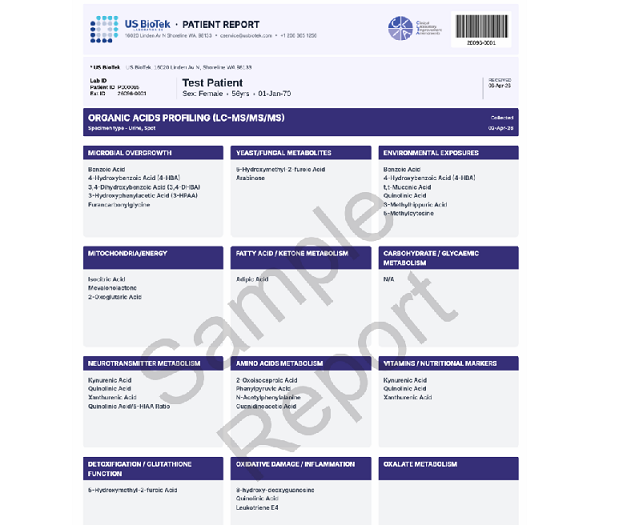
US BioTek Organic Acids Profile 120+ Markers
$389.00A unique biochemistry profile called Organic Acid Profile (OAP) can detect alterations in your gut, cellular deficiencies, levels of neurotrasmitters, exposures to mold or fungus and indicate need for specific nutrients, diet modifications and detoxification. This profile has been updated to include environmental pollutants for a more complete snapshot picture of toxic exposure to environmental chemicals.US BioTek Organic Acids Profile 120+ Markers
At Home Health Tests, Nutritional Tests, Mycotoxin Molds Tests, Autism Tests, Environmental Pollutants Tests, Organic Acids Tests, Detox Solutions, Vitamin Tests$389.00Successfully Added to your Shopping CartAdding to Cart... -
←→
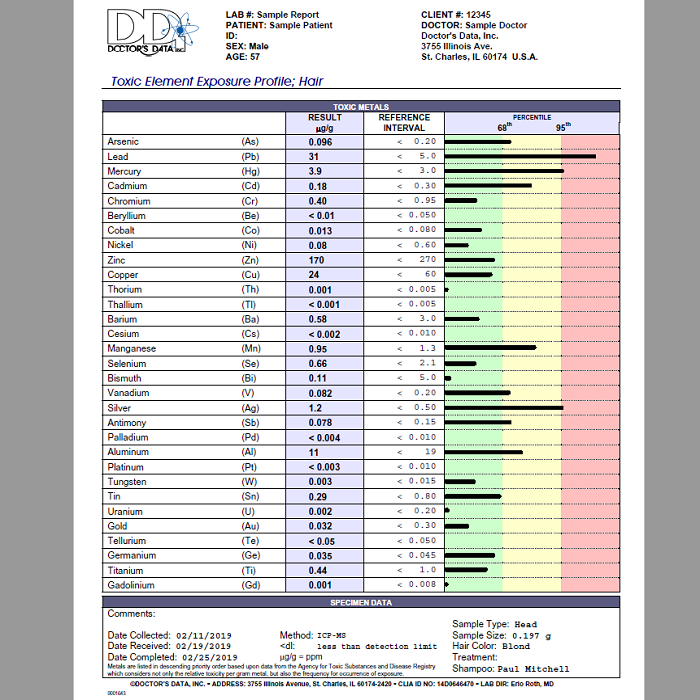
Doctors Data Hair Toxic Elements Test
$174.00$159.00Doctors Data Hair Toxic Elements Test is a noninvasive screening hair test reports an expanded lineup of toxic metals as well as specific nutrient elements.Doctors Data Hair Toxic Elements Test
At Home Health Tests, Toxic Metals Tests, Autism Tests, Detox Solutions, Diabetes Solutions, Fatigue Solutions, Memory Loss Solutions, Autism Solutions, Hair Tests$174.00 $159.00Successfully Added to your Shopping CartAdding to Cart... -
←→
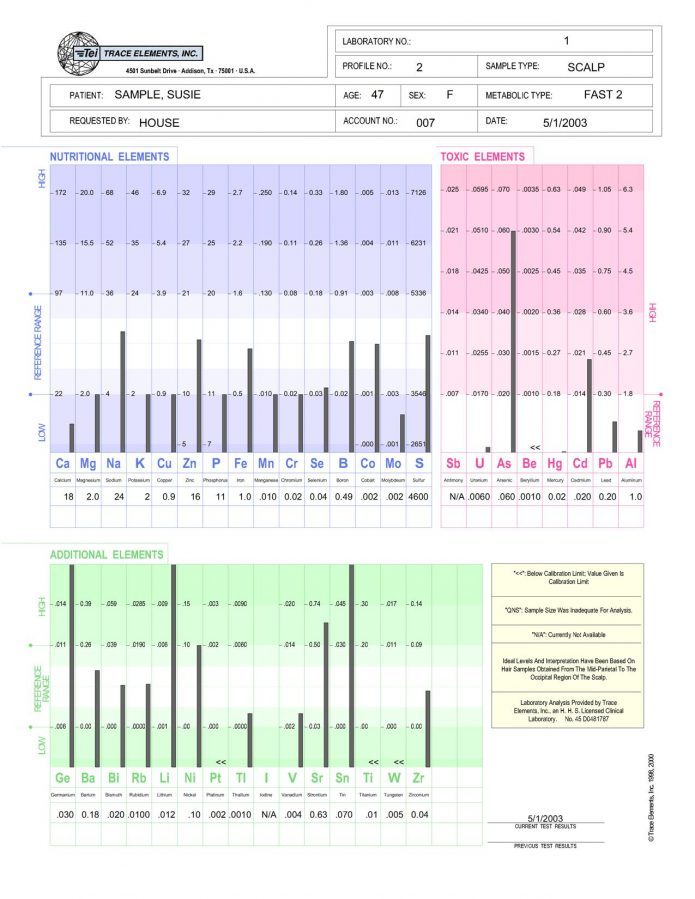
Trace Elements Hair Mineral and Toxic Elements
Nutritional Tests, At Home Health Tests, Toxic Metals Tests, Autism Tests, Immune System Tests, Hair Tests, Weight Control Solutions$188.00 $169.00Successfully Added to your Shopping CartAdding to Cart... -
←→
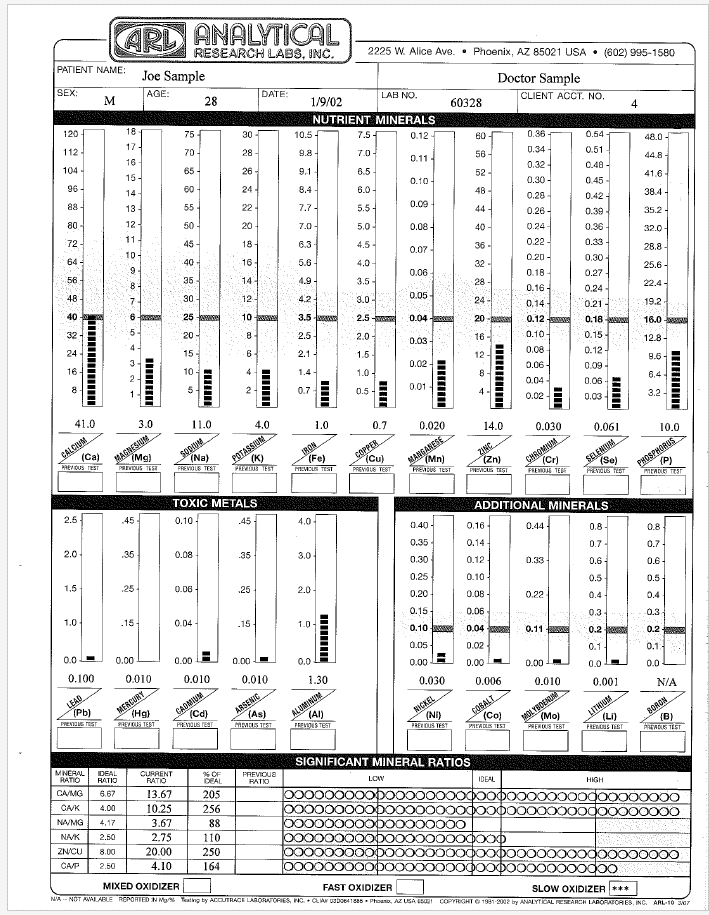
Analytical Research Labs Hair Minerals Test
$179.00$169.00Providing a mineral blueprint of one’s biochemistry, an Analytical Research Labs Hair Minerals Test reports levels of minerals and heavy metals in your body giving possible reasons for your symptoms, with suggestions for nutritional supplements and diet changes. Hair tissue mineral analysis can provide pertinent information about balanced nutrition, one’s metabolic rate, energy levels, sugar and carbohydrate tolerance, stage of stress, immune system and glandular activity.Analytical Research Labs Hair Minerals Test
$179.00 $169.00Successfully Added to your Shopping CartAdding to Cart... -
←→
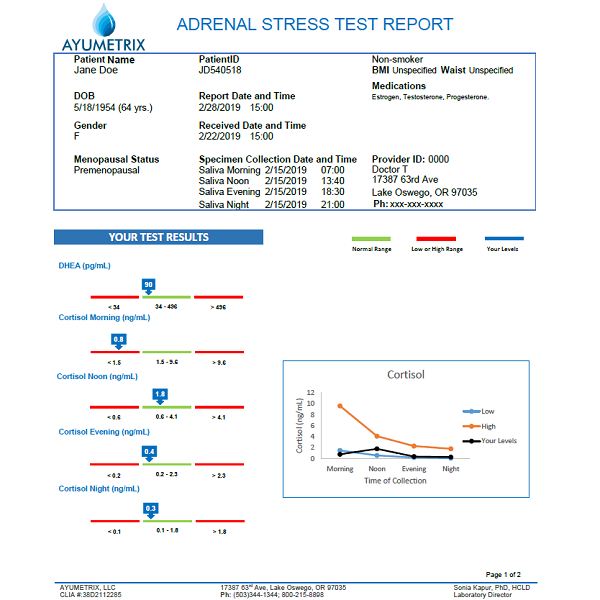
Ayumetrix Adrenal Stress Test Saliva
$125.00A quantitative ELISA analysis of hormones that affect adrenal healthMaximum quantity exceededMinimum purchase amount of 0 is requiredAyumetrix Adrenal Stress Test Saliva
Thyroid Endocrine Tests, At Home Health Tests, Anxiety, Stress, Depression Solutions, Fatigue Solutions$125.00Successfully Added to your Shopping CartAdding to Cart... -
←→
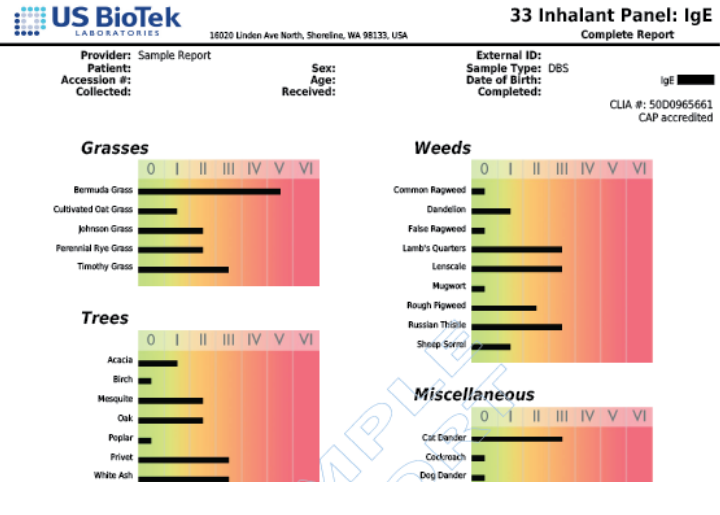
US BioTek 33 Inhalent Allergy Panel Bloodspot
Blood Spot Tests, Allergy Solutions, At Home Health Tests, Mycotoxin Molds Tests, Immune System Solutions, Lung Solutions, Allergy Tests, Immune System Tests$249.00 $209.00Successfully Added to your Shopping CartAdding to Cart... -
←→
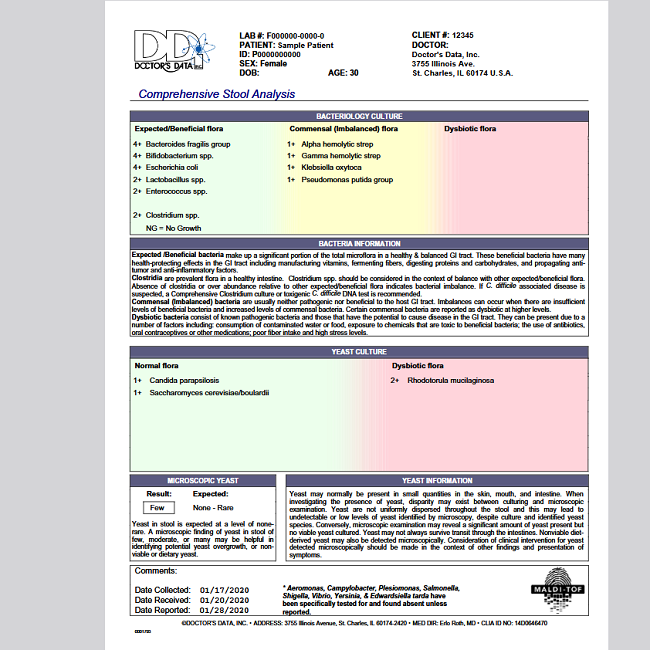
Doctors Data Comprehensive Stool Analysis CSA Microbiome
$601.00$379.00Doctors Data Comprehensive Digestive Stool Analysis helps pinpoint the causes of gastrointestinal issues, symptoms and chronic systemic conditions, by measuring key markers of digestion, absorption and inflammation.Doctors Data Comprehensive Stool Analysis CSA Microbiome
At Home Health Tests, Gastrointestinal Tests, Inflammation Solutions, Skin Solutions, Gastrointestinal Solutions, Candida Solutions$601.00 $379.00Successfully Added to your Shopping CartAdding to Cart... -
←→
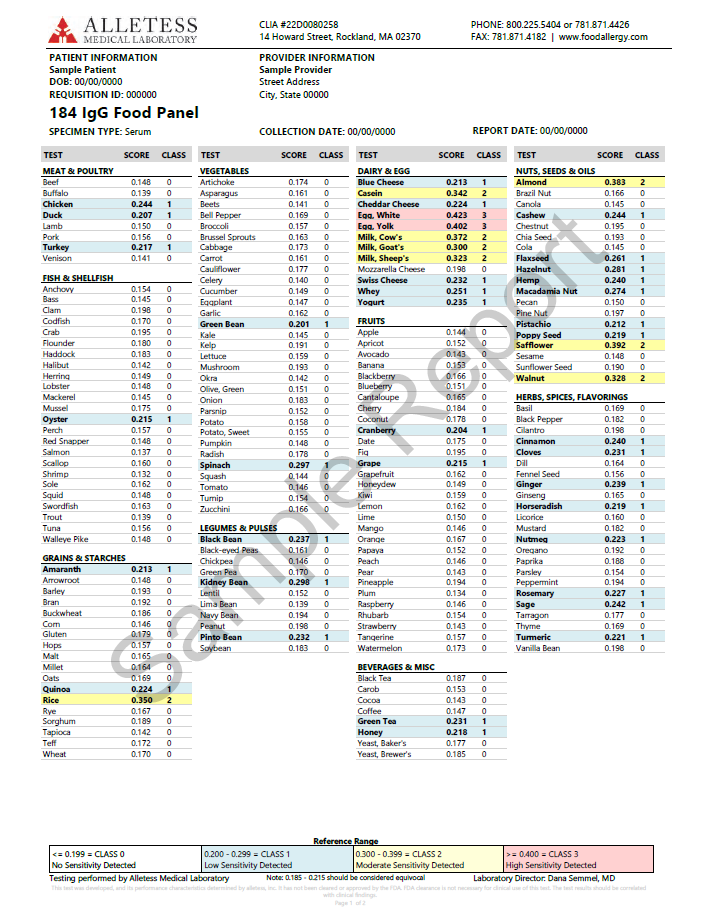
Alletess Food Allergy Sensitivity Test
$269.00 $223.00 - $383.00Food sensitivities may be causing many of your health issues. Test now with this convenient at home test; no lab visit required.Alletess Food Allergy Sensitivity Test
At Home Health Tests, Allergy Tests, Blood Spot Tests, Allergy Solutions, Lung Solutions, Gastrointestinal Solutions$269.00 $223.00 - $383.00Successfully Added to your Shopping CartAdding to Cart... -
←→

UCARI Intolerance Test Kit
$99.99$88.00Test for 1500+ possible intolerances and nutritional imbalancesUCARI Intolerance Test Kit
At Home Health Tests, Allergy Tests, Nutritional Tests, Environmental Pollutants Tests, Mycotoxin Molds Tests, Allergy Solutions, Lung Solutions, Gastrointestinal Solutions, Immune System Tests, Candida Solutions, Hair Tests$99.99 $88.00Successfully Added to your Shopping CartAdding to Cart... -
←→
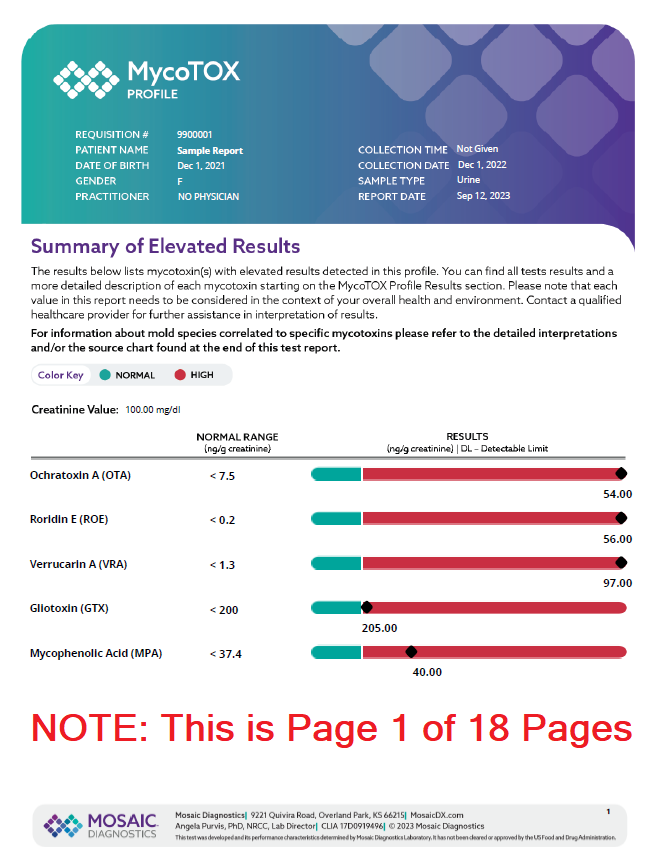
Mosaic MycoTOX Profile
$345.00Mycotoxins are some of the most prevalent toxins in the environment. Mycotoxins are produced from fungi like mold, and can infest buildings, vehicles, and foodstuffs. Fungi are able to grow on almost any surface, especially if the environment is warm and wet. Inner wall materials of buildings, wall paper, fiber glass insulation, ceiling tiles, and gypsum support are all good surfaces for fungi to colonize. These fungi then release mycotoxins into the environment causing symptoms of many different chronic diseases. Diseases and symptoms linked to mycotoxin exposure include fever, pneumonia-like symptoms, heart disease, rheumatic disease, asthma, sinusitis, cancer, memory loss, vision loss, chronic fatigue, skin rashes, depression, ADHD, anxiety, and liver damage. With our MycoTOX Profile, we can identify mycotoxin exposures and make recommendations for detoxification treatments that have been effective.Mosaic MycoTOX Profile
At Home Health Tests, Mycotoxin Molds Tests, Detox Solutions, Immune System Solutions, Candida Solutions$345.00Successfully Added to your Shopping CartAdding to Cart...
Supplements
-
←→
Adrena Pan-C
$17.50Combat stress and anxiety with the power of science. This unique blend includes adrenal and spleen nucleic acids as well as key components of vitamin C and coenzymes crucial for adrenal function. Adrena Pan-C supports your body's natural adrenal response. It's especially beneficial for those who get tired when stressed, or who have poor dietary habits. -
←→
-
←→

Buffered Vitamin C with Calcium, Magnesium & Potassium Ascorbate
$11.70Buffered C with Ca-Mg-K-Ascorbates 100ct.Buffered Vitamin C with Calcium, Magnesium & Potassium Ascorbate
Supplements, Vitamin Supplements, Skin Solutions, Cancer Solutions, Immune System Solutions, Antioxidant Supplements, Allergy Solutions, Autism Solutions$11.70Successfully Added to your Shopping CartAdding to Cart... -
←→
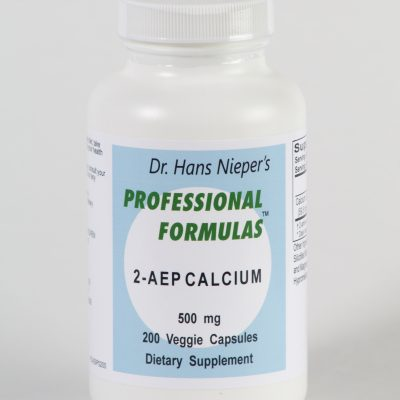
Calcium 2-AEP
Supplements, Mineral Supplements, Muscle Solutions, Anxiety, Stress, Depression Solutions, Bone Solutions$14.40Successfully Added to your Shopping CartAdding to Cart... -
←→
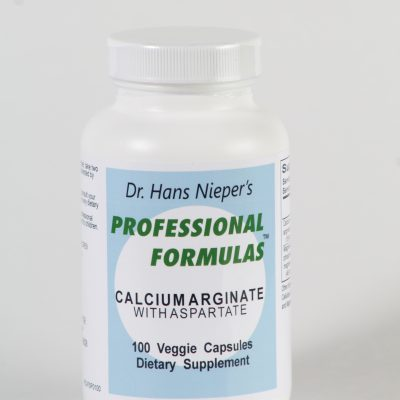
Calcium Arginate with Aspartate
Supplements, Mineral Supplements, Heart Solutions, Bone Solutions, Muscle Solutions, Anxiety, Stress, Depression Solutions, Amino Acids Supplements$14.40Successfully Added to your Shopping CartAdding to Cart... -
←→
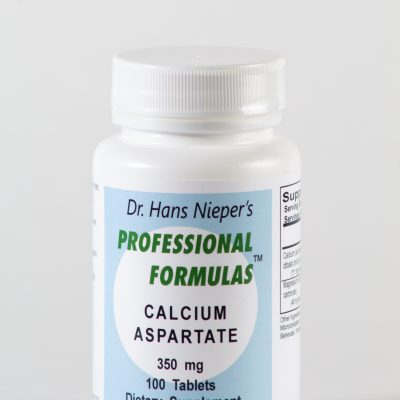
Calcium Aspartate
Supplements, Mineral Supplements, Nerve Damage Solutions, Bone Solutions, Muscle Solutions, Allergy Solutions$11.70Successfully Added to your Shopping CartAdding to Cart... -
←→
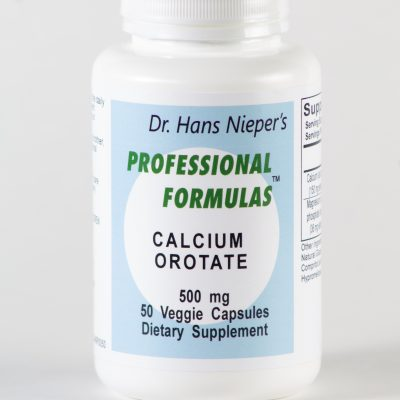
Calcium Orotate
Supplements, Mineral Supplements, Bone Solutions, Nerve Damage Solutions, Skin Solutions, Heart Solutions$26.80Successfully Added to your Shopping CartAdding to Cart... -
←→
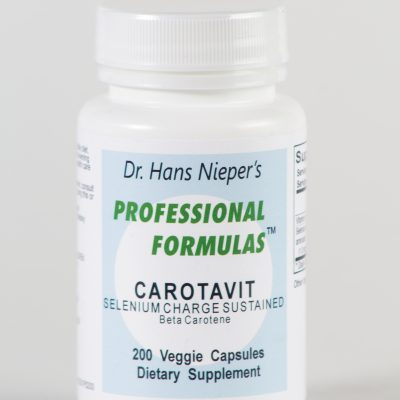
Carotavit with Selenium Charge Sustained
$23.40Successfully Added to your Shopping CartAdding to Cart... -
←→
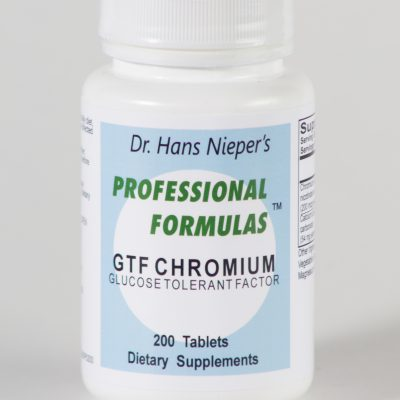
GTF Chromium Glucose Tolerance Factor
$4.60GTF Chromium Glucose Tolerance Factor with 200 mcg ChromiumGTF Chromium Glucose Tolerance Factor
Supplements, Mineral Supplements, Diabetes Solutions, Skin Solutions, Heart Solutions, Muscle Solutions, Anxiety, Stress, Depression Solutions, Fatigue Solutions$4.60Successfully Added to your Shopping CartAdding to Cart... -
←→
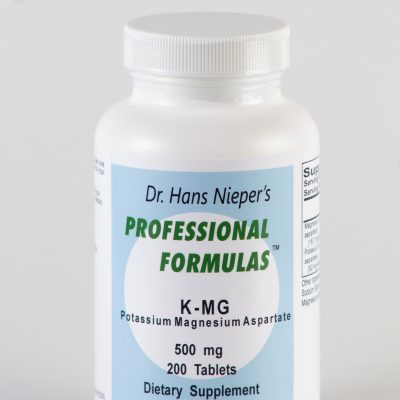
K-MG Potassium Magnesium
Supplements, Mineral Supplements, Headache Solutions, Heart Solutions, Muscle Solutions, Lung Solutions, Memory Loss Solutions, Anxiety, Stress, Depression Solutions$13.10Successfully Added to your Shopping CartAdding to Cart... -
←→
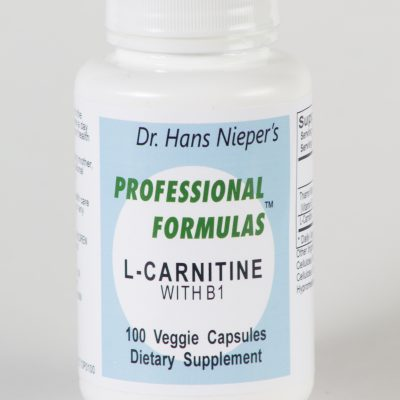
L-Carnitine w/ B1
Supplements, Amino Acids Supplements, Hormone Solutions, Heart Solutions, Muscle Solutions, Lung Solutions$18.60Successfully Added to your Shopping CartAdding to Cart... -
←→
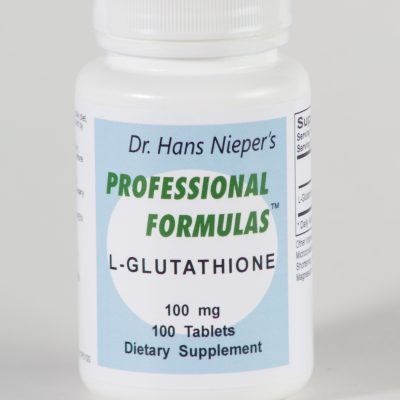
L-Glutathione
$39.00L-Glutathione (GSH) 100 TabletsMaximum quantity exceededMinimum purchase amount of 0 is requiredL-Glutathione
Supplements, Autism Solutions, Detox Solutions, Heart Solutions, Immune System Solutions, Nerve Damage Solutions, Antioxidant Supplements, Gastrointestinal Solutions$39.00Successfully Added to your Shopping CartAdding to Cart... -
←→
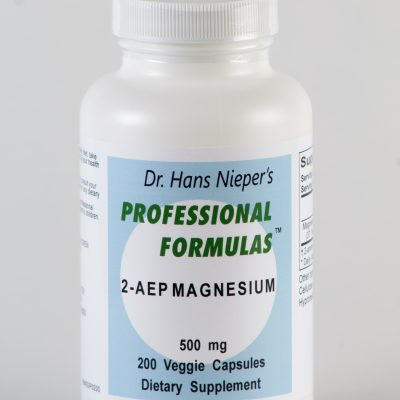
Magnesium 2-AEP
Supplements, Mineral Supplements, Heart Solutions, Immune System Solutions, Muscle Solutions, Nerve Damage Solutions, Lung Solutions$14.40Successfully Added to your Shopping CartAdding to Cart... -
←→
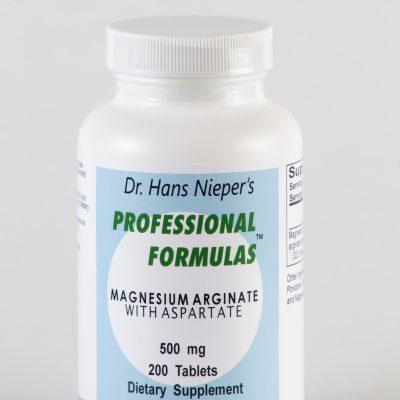
Magnesium Arginate w/ Aspartate
Supplements, Mineral Supplements, Muscle Solutions, Heart Solutions, Diabetes Solutions, Nerve Damage Solutions, Immune System Solutions, Amino Acids Supplements, Autism Solutions$12.70Successfully Added to your Shopping CartAdding to Cart... -
←→
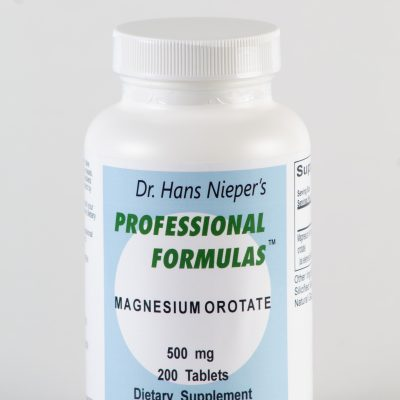
Magnesium Orotate
Supplements, Mineral Supplements, Heart Solutions, Immune System Solutions, Gastrointestinal Solutions, Allergy Solutions$25.10Successfully Added to your Shopping CartAdding to Cart... -
←→
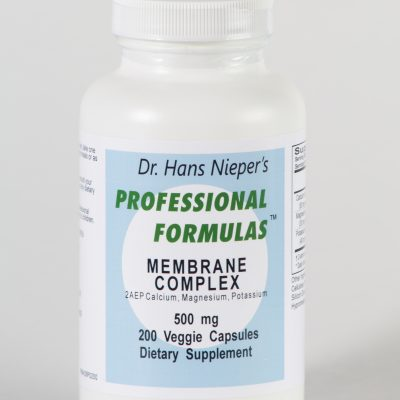
Membrane Complex
Supplements, Mineral Supplements, Heart Solutions, Skin Solutions, Probiotics Supplements, Bone Solutions, Lung Solutions, Muscle Solutions, Immune System Solutions$15.00Successfully Added to your Shopping CartAdding to Cart... -
←→
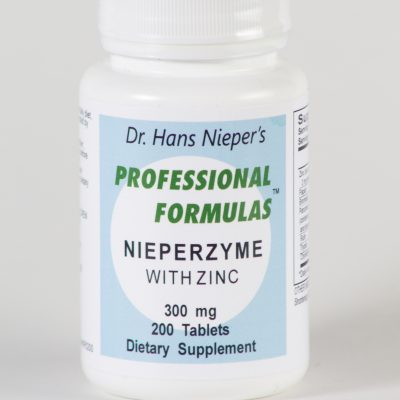
Nieperzyme with Zinc
Supplements, Probiotics Supplements, Heart Solutions, Bone Solutions, Muscle Solutions, Immune System Solutions, Antioxidant Supplements, Gastrointestinal Solutions$20.40Successfully Added to your Shopping CartAdding to Cart... -
←→
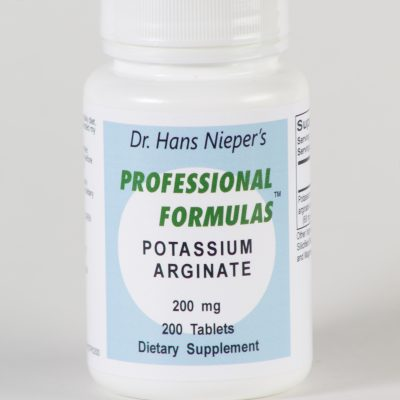
Potassium Arginate with Aspartate
Supplements, Mineral Supplements, Nerve Damage Solutions, Muscle Solutions, Hormone Solutions, Heart Solutions, Amino Acids Supplements, Gastrointestinal Solutions$11.40Successfully Added to your Shopping CartAdding to Cart... -
←→
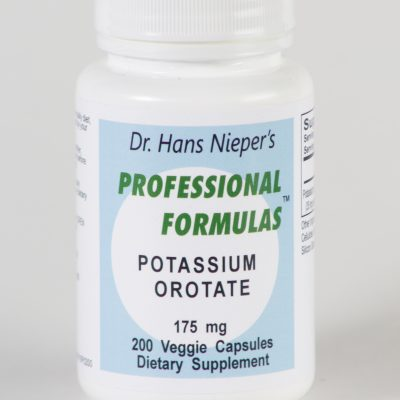
Potassium Orotate
Supplements, Mineral Supplements, Skin Solutions, Diabetes Solutions, Heart Solutions, Muscle Solutions, Hormone Solutions, Gastrointestinal Solutions$23.40Successfully Added to your Shopping CartAdding to Cart... -
←→
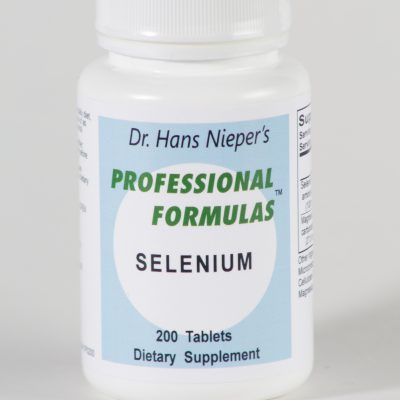
Selenium
Supplements, Mineral Supplements, Heart Solutions, Immune System Solutions, Hormone Solutions, Antioxidant Supplements$13.10Successfully Added to your Shopping CartAdding to Cart... -
←→
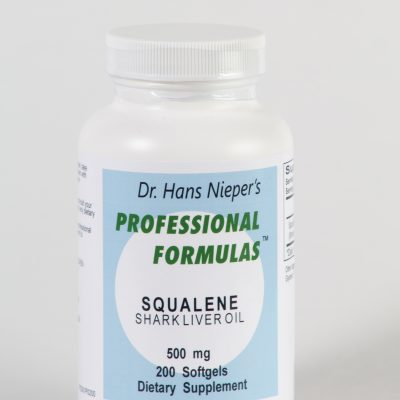
Squalene Shark Liver Oil
Supplements, Essential Fats Supplements, Skin Solutions, Heart Solutions, Immune System Solutions, Fish Oil Supplements$42.90Successfully Added to your Shopping CartAdding to Cart... -
←→
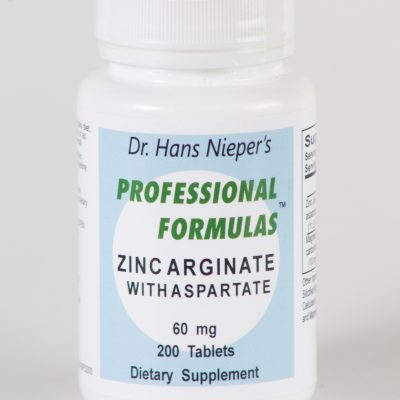
Zinc Arginate with Aspartate
Supplements, Mineral Supplements, Skin Solutions, Immune System Solutions, Amino Acids Supplements, Allergy Solutions$8.10Successfully Added to your Shopping CartAdding to Cart... -
←→
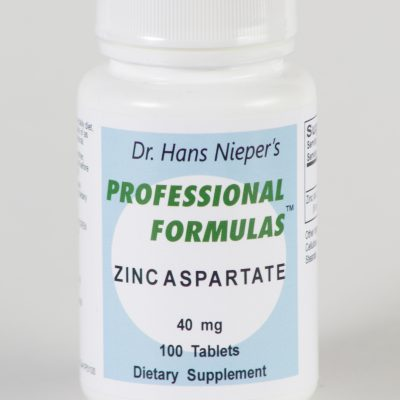
Zinc Aspartate
$6.00Zinc AspartateMaximum quantity exceededMinimum purchase amount of 0 is requiredZinc Aspartate
Supplements, Mineral Supplements, Skin Solutions, Bone Solutions, Hormone Solutions, Immune System Solutions, Gastrointestinal Solutions$6.00Successfully Added to your Shopping CartAdding to Cart... -
←→
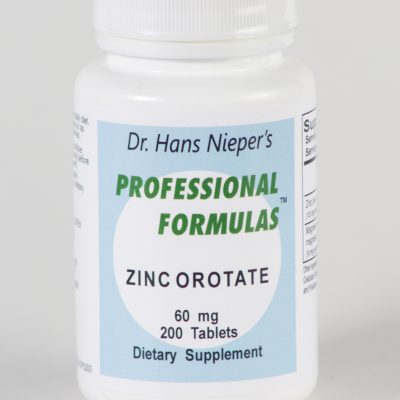
Zinc Orotate
Supplements, Mineral Supplements, Immune System Solutions, Heart Solutions, Hormone Solutions, Probiotics Supplements, Bone Solutions, Antioxidant Supplements, Autism Solutions$10.40Successfully Added to your Shopping CartAdding to Cart...
-
Austin Air HealthMate Standard Air Purifier
$764.99Successfully Added to your Shopping CartAdding to Cart...

References
- How many chemicals are in use today? by Britt E. Erickson
- Toxicity, mechanism and health effects of some heavy metals, Pub Med
- Exposure to Environmental Toxins and Autoimmune Conditions, PubMed
- Crinnion WJ. Environmental medicine, part one: the human burden of environmental toxins and their common health effects, PubMed