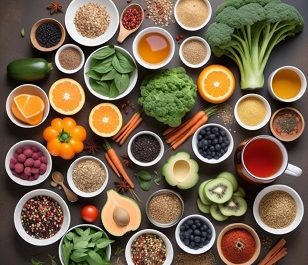


Table of Contents
Nutritional Deficiencies Explained
Understanding Nutritional Deficiencies
Nutritional deficiencies occur when the body does not get enough of a specific nutrient required for optimal health. These nutrients include vitamins, minerals, proteins, fats, and carbohydrates, all of which play essential roles in bodily functions. Deficiencies can be caused by inadequate dietary intake, absorption issues, or increased needs due to illness or lifestyle factors. Understanding these deficiencies is crucial as they can lead to various health problems, including weight gain, fatigue, and chronic diseases.
In our modern diet, the prevalence of processed foods and convenience meals has resulted in a significant decline in nutrient-dense options. This shift often leads to a lack of essential nutrients, making it easier to fall into the trap of overeating energy-dense but nutrient-poor foods. Recognizing and addressing these deficiencies is a critical step in managing overall health and weight.
Common Nutrients Lacking in Modern Diets
Several nutrients are commonly deficient in the average person’s diet. Some of the most significant include:
- Vitamin D: Often lacking due to limited sun exposure and dietary sources.
- Iron: Especially common in vegetarian and vegan diets.
- Magnesium: Found in leafy greens, nuts, and seeds, but often under-consumed.
- Omega-3 Fatty Acids: Important for heart and brain health but often missing in traditional diets.
- Fiber: Crucial for digestive health, yet often insufficient in processed diets.
Addressing these deficiencies through dietary changes or supplementation can significantly impact overall health, energy levels, and weight management.
Symptoms of Nutritional Deficiency
The symptoms of nutritional deficiencies can vary widely but often include fatigue, weakness, irritability, and changes in weight. For example, a lack of vitamin D may lead to feelings of fatigue and muscle weakness, while insufficient iron can result in anemia and energy depletion. Other symptoms can include hair loss, brittle nails, and a compromised immune system.
Recognizing these signs is vital for taking corrective action. If you suspect a deficiency, it’s essential to consult with a healthcare professional to undergo proper testing and obtain personalized recommendations for dietary changes or supplements.
Weight Gain Mechanisms
How the Body Stores Fat
The human body has a sophisticated system for storing energy, primarily in the form of fat. When we consume more calories than our body needs for energy expenditure, the excess calories are converted into fat and stored in adipose tissue. This process is influenced by several factors, including hormonal regulation and metabolic rate. When nutritional deficiencies exist, the body can become more efficient at storing fat, often leading to weight gain.
Furthermore, certain nutrients play critical roles in fat metabolism. For instance, deficiencies in B vitamins can impair the body’s ability to convert food into energy effectively, leading to increased fat storage instead of utilization. Understanding these mechanisms is essential for addressing weight gain issues effectively.
Metabolism and Its Role in Weight Gain
Metabolism refers to the chemical processes by which your body converts food into energy. A slow metabolism can result in weight gain, especially when combined with poor dietary choices and a lack of physical activity. Factors such as age, genetics, and even hormonal imbalances can influence metabolic rate. Nutritional deficiencies can further exacerbate metabolic slowdown, as the body may not be able to perform optimally without adequate nutrients.
Increasing your metabolic rate can be achieved through various strategies, including strength training, increasing protein intake, and maintaining a balanced diet rich in essential nutrients. Addressing deficiencies while promoting a healthy metabolism can help mitigate weight gain and enhance overall health.
Emotional Eating and Nutritional Deficiencies
Emotional eating is a common response to stress, anxiety, or emotional distress, often leading individuals to turn to food for comfort rather than nourishment. This behavior can lead to overeating and weight gain, particularly when the foods chosen are high in calories and low in nutrients. Nutritional deficiencies can exacerbate emotional eating patterns, as the body seeks quick energy sources that may not be healthful.
Understanding the psychological aspects of eating is crucial in addressing weight gain. Strategies such as mindful eating, stress management techniques, and seeking professional help can be beneficial for those struggling with emotional eating due to nutritional deficiencies.
Nutritional Deficiency and Weight Gain
Connecting Nutritional Deficiency to Weight Gain
Research indicates a strong link between nutritional deficiencies and weight gain. When the body lacks essential nutrients, it can trigger hormonal imbalances that lead to increased appetite and cravings. For example, low levels of magnesium have been associated with increased hunger, while deficiencies in omega-3 fatty acids can promote inflammation, affecting metabolic processes and leading to weight gain.
Moreover, the body’s response to nutrient deprivation may include cravings for high-calorie foods, as the brain signals for quick sources of energy. This cycle can create a challenging environment for weight management, making it essential to prioritize nutritional intake to prevent unwanted weight gain.
Case Studies and Research Findings
Numerous studies have highlighted the consequences of nutritional deficiencies on weight. For instance, a study published in the journal Obesity found that individuals with low micronutrient intake had higher body mass indexes (BMIs) than those with adequate nutrient consumption. Another study identified a correlation between low vitamin D levels and obesity, suggesting that ensuring sufficient nutrient levels can play a significant role in weight management.
These findings emphasize the importance of addressing nutritional deficiencies not only for overall well-being but also as a fundamental approach to managing weight effectively. Ensuring a well-rounded diet rich in essential nutrients can mitigate the risks associated with both deficiencies and weight gain.
Loose Weight with the Right Nutrition
Identifying Nutritional Needs for Weight Loss
Before embarking on a weight loss journey, it’s crucial to assess your nutritional needs. This assessment can be accomplished through various methods, including dietary logs, consultations with nutritionists, and blood tests to check for deficiencies. Understanding your specific requirements can help tailor a dietary plan that not only promotes weight loss but also supports overall health.
For effective weight management, individuals should focus on consuming a balanced diet that includes a variety of fruits, vegetables, whole grains, lean proteins, and healthy fats. By ensuring that your body receives an adequate supply of essential nutrients, you not only enhance the likelihood of weight loss but also improve your overall health and wellness.
Creating a Balanced Diet Plan
A balanced diet plan for weight loss should emphasize nutrient-dense foods while limiting processed and high-calorie items. This plan should include:
- Fruits and Vegetables: Aim for a wide variety of colors and types to ensure a diverse nutrient intake.
- Whole Grains: Incorporate brown rice, quinoa, and whole-grain bread for fiber and energy.
- Lean Proteins: Include sources like chicken, turkey, fish, tofu, and legumes for muscle maintenance.
- Healthy Fats: Nuts, seeds, avocados, and olive oil can provide essential fatty acids and support satiety.
In addition to food choices, portion control and meal timing can also impact weight loss success. Regularly scheduled meals and snacks help maintain steady energy levels and prevent overeating.
Tips for Sustainable Weight Loss
Sustainable weight loss is not about quick fixes or fad diets; it’s about making long-term lifestyle changes. Here are some tips to achieve lasting results:
- Set Realistic Goals: Aim for gradual weight loss of 1-2 pounds per week.
- Stay Hydrated: Drink plenty of water to support metabolism and reduce hunger.
- Incorporate Physical Activity: Aim for at least 150 minutes of moderate exercise per week.
- Monitor Your Progress: Keep a journal of your food intake and physical activity to stay accountable.
By focusing on these strategies, individuals can create sustainable habits that promote health and prevent weight gain even in the face of nutritional deficiencies.
The Importance of Minerals
Key Minerals for Weight Management
Minerals play a pivotal role in various bodily functions, including metabolism and weight regulation. Some key minerals beneficial for weight management include:
- Calcium: Supports fat metabolism and may help reduce fat storage.
- Magnesium: Involved in over 300 enzymatic reactions and can influence weight through its impact on energy metabolism.
- Potassium: Essential for muscle function and can help maintain a healthy metabolism.
Ensuring adequate mineral intake can enhance metabolic processes, leading to better energy management and weight control.
How Mineral Deficiency Affects Weight
Mineral deficiencies can directly impact weight regulation. For example, insufficient calcium may lead to increased fat retention, while low magnesium levels could result in insulin resistance, promoting weight gain. Furthermore, a lack of essential minerals can alter hormonal balances, leading to increased hunger and cravings.
Addressing these deficiencies through dietary adjustments or supplementation can be an effective strategy for managing weight and improving overall health.
How Toxic Chemicals Interfere with Weight Loss
Sources of Toxic Chemicals
Toxic chemicals can be found in various sources, including pesticides, plastics, and personal care products. These chemicals, often referred to as endocrine disruptors, can interfere with hormonal balance and metabolic processes, making weight loss more challenging. Common sources include:
- Processed Foods: Often contain additives and preservatives that may disrupt metabolism.
- Household Products: Cleaning agents and personal care items can release harmful chemicals into the environment.
- Environmental Pollution: Air and water pollution can expose individuals to toxic substances that affect health.
Being mindful of exposure to these toxins is crucial for anyone aiming to lose weight effectively.
Impact on Metabolism and Weight Gain
The impact of toxic chemicals on metabolism can be significant. Studies have shown that exposure to endocrine disruptors can lead to weight gain by altering metabolic functions and increasing fat storage. For instance, chemicals found in plastics, such as BPA, have been linked to obesity and metabolic disorders.
To mitigate these effects, individuals should strive to minimize exposure to toxic substances through dietary choices, opting for organic foods, using glass or stainless steel containers, and choosing natural household products whenever possible.
How Heavy Metals Interfere with Weight Loss
Common Heavy Metals in Our Environment
Heavy metals such as lead, mercury, cadmium, and arsenic are prevalent in our environment and can accumulate in the body, leading to serious health issues. These metals often enter the body through contaminated food, water, and air. For example, fish can be a significant source of mercury exposure, while lead may leach from old plumbing systems or paint.
Awareness of heavy metal exposure is crucial for those seeking to maintain a healthy weight, as these metals can disrupt metabolic processes and lead to hormonal imbalances that affect appetite and energy regulation.
Effects of Heavy Metal Accumulation on Health
Heavy metal accumulation can have detrimental effects on overall health and well-being. Research suggests that exposure to these metals can lead to increased inflammation, oxidative stress, and altered gut microbiota, all of which can contribute to weight gain. Additionally, heavy metals may impact hormonal balance, particularly hormones that regulate appetite and metabolism.
To support weight loss and general health, individuals should consider regular detoxification practices and focus on nutrient-dense foods that support the body’s natural detox processes.
The Importance of Quality Supplements for Weight Loss
Choosing the Right Supplements
For those struggling with nutritional deficiencies that hinder weight loss, quality supplements may be beneficial. However, choosing the right supplements is critical. It is essential to select products that are third-party tested for quality and potency. Common supplements that may support weight loss efforts include:
- Multivitamins: To ensure adequate intake of essential nutrients.
- Omega-3 Fatty Acids: For metabolic support and inflammation reduction.
- Probiotics: To promote gut health, which is crucial for effective digestion and metabolism.
Consulting with a healthcare provider before starting any supplementation regimen can help ensure safety and effectiveness.
Benefits of Nutritional Supplements
Nutritional supplements can provide a convenient way to fill in dietary gaps, especially for individuals with restrictive diets or specific health concerns. By incorporating quality supplements tailored to personal needs, individuals can enhance their nutrient intake, support metabolic health, and optimize their weight loss efforts.
Ultimately, while supplements can be helpful, they should complement a well-rounded diet rather than replace it. Prioritizing whole foods and a balanced diet should remain at the forefront of any weight management strategy.
Impact of Processed Foods
Processed Foods and Nutritional Deficiency
Processed foods are often stripped of their natural nutrients and filled with unhealthy additives, making them a significant contributor to nutritional deficiencies. These foods are typically high in sugars and unhealthy fats, offering empty calories that do little to nourish the body. Regular consumption of processed foods can lead to a lack of essential vitamins and minerals, exacerbating the risk of deficiencies.
Transitioning to a diet rich in whole, unprocessed foods can significantly improve nutrient intake and overall health. By prioritizing fresh fruits, vegetables, whole grains, and lean proteins, individuals can effectively combat the negative effects of processed foods.
How Processed Foods Contribute to Weight Gain
The consumption of processed foods is closely associated with weight gain. These foods are often engineered to be hyper-palatable, leading to overeating and increased caloric intake. Furthermore, the high sugar and fat content in processed foods can lead to rapid spikes in blood sugar and insulin levels, promoting fat storage rather than fat burning.
To mitigate the impact of processed foods on weight, individuals should focus on meal planning and preparation, aiming to reduce reliance on convenience foods. By making conscious food choices and prioritizing whole foods, weight management can become more achievable.
Conclusion
Nutritional deficiencies can significantly impact weight management, making it essential to understand the connection between what we eat and how our bodies function. Addressing these deficiencies through a balanced diet rich in essential nutrients, combined with awareness of the roles of minerals, toxic chemicals, and processed foods, can lead to improved health and sustainable weight loss. By prioritizing nutrient-dense foods and minimizing harmful exposures, individuals can optimize their metabolism, curb cravings, and support their weight loss efforts. Taking control of your nutrition is a vital step toward achieving a healthier lifestyle.
FAQs
What nutrient deficiency causes weight gain?
Insulin resistance, often linked to deficiencies in magnesium, chromium, and vitamin D, can contribute to weight gain.
How can I identify Nutritional Deficiencies?
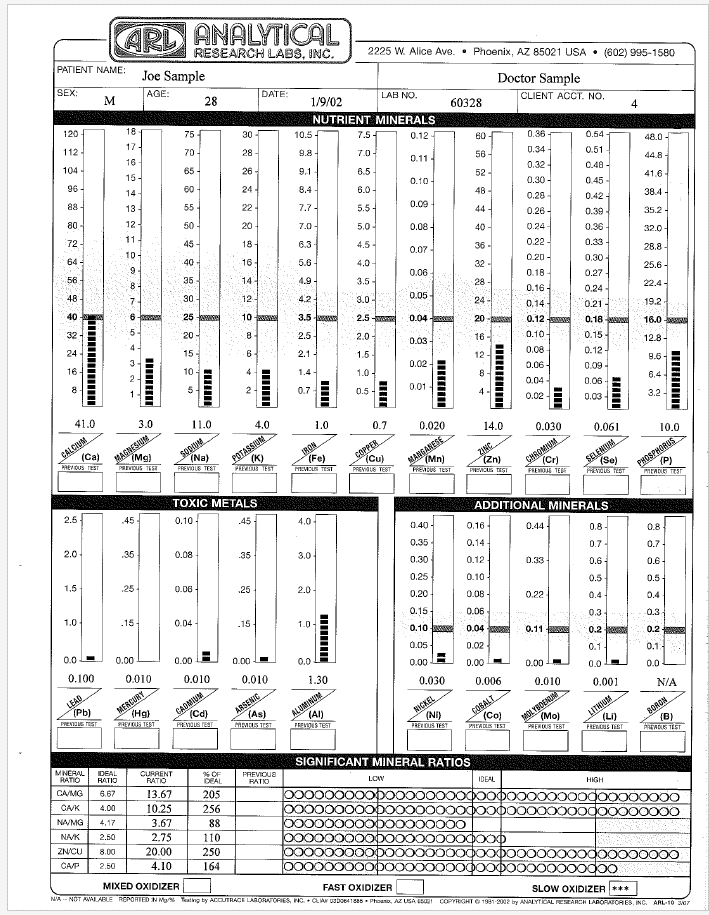
To identify nutritional deficiencies, consider a mineral and toxic elements test such as the Trace Elements hair test shown below.
What are the main signs of poor nutrition?
Fatigue, weakness, mood changes, hair loss, and unexplained weight gain, low energy levels,
Unexplained weight loss, frequent illness or infections
Can B12 deficiency make you gain weight?
B12 deficiency is not directly linked to weight gain, but it can lead to fatigue and decreased physical activity, which may contribute to weight gain indirectly.
What role does hydration play in weight management?
Hydration is critical for metabolism and can help regulate appetite. Drinking enough water can also prevent confusion between hunger and thirst.
How can I identify if I have toxic heavy metals or chemicals in my body?
At home health tests are available below to help identify toxic heavy metals or chemicals in your body. These tests use a sample of your hair or urine for comprehensive analysis.
Can you gain weight even if you eat healthy foods?
Yes, it is possible to gain weight even when consuming healthy foods if the overall caloric intake exceeds the body’s energy expenditure. Portion sizes and overall energy balance are crucial for weight management.
Products
At Home Tests
-
←→
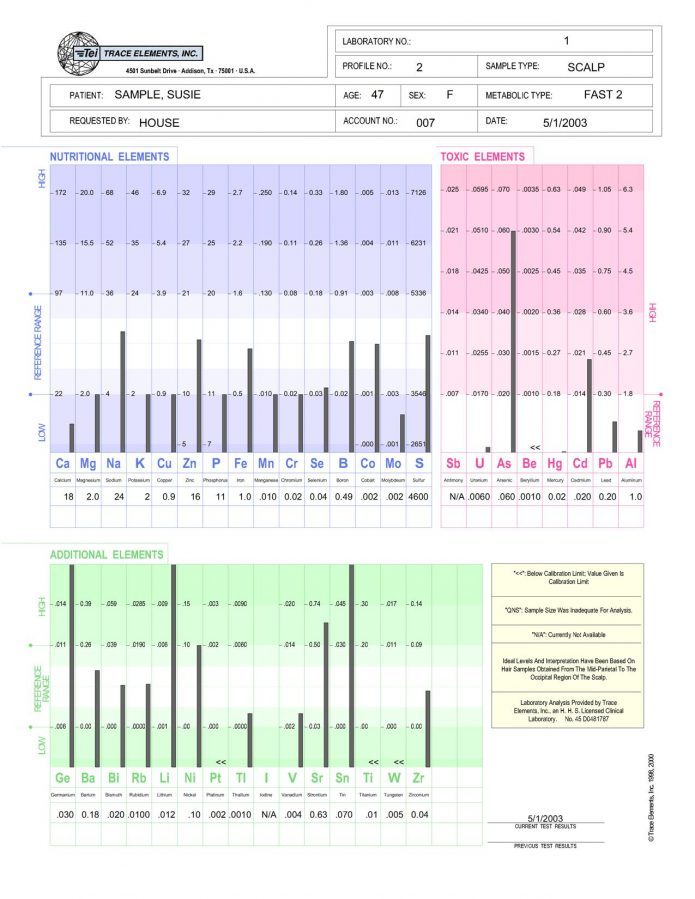
Trace Elements Hair Mineral and Toxic Elements
Nutritional Tests, At Home Health Tests, Toxic Metals Tests, Autism Tests, Immune System Tests, Hair Tests, Weight Control Solutions$188.00 $169.00Successfully Added to your Shopping CartAdding to Cart... -
←→
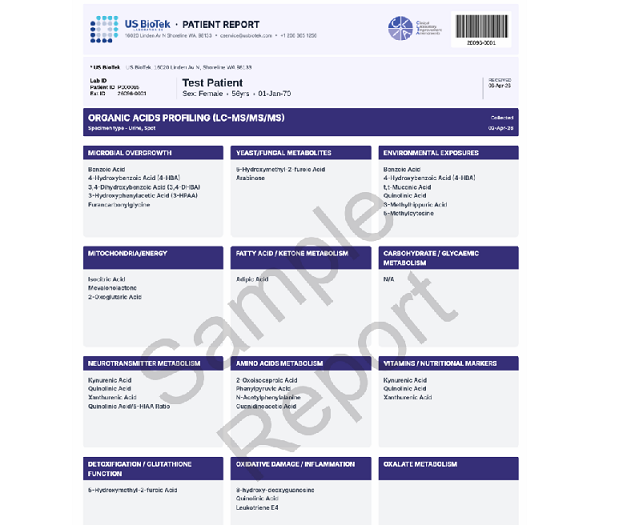
US BioTek Organic Acids Profile 120+ Markers
$389.00A unique biochemistry profile called Organic Acid Profile (OAP) can detect alterations in your gut, cellular deficiencies, levels of neurotrasmitters, exposures to mold or fungus and indicate need for specific nutrients, diet modifications and detoxification. This profile has been updated to include environmental pollutants for a more complete snapshot picture of toxic exposure to environmental chemicals.US BioTek Organic Acids Profile 120+ Markers
At Home Health Tests, Nutritional Tests, Mycotoxin Molds Tests, Autism Tests, Environmental Pollutants Tests, Organic Acids Tests, Detox Solutions, Vitamin Tests$389.00Successfully Added to your Shopping CartAdding to Cart... -
←→
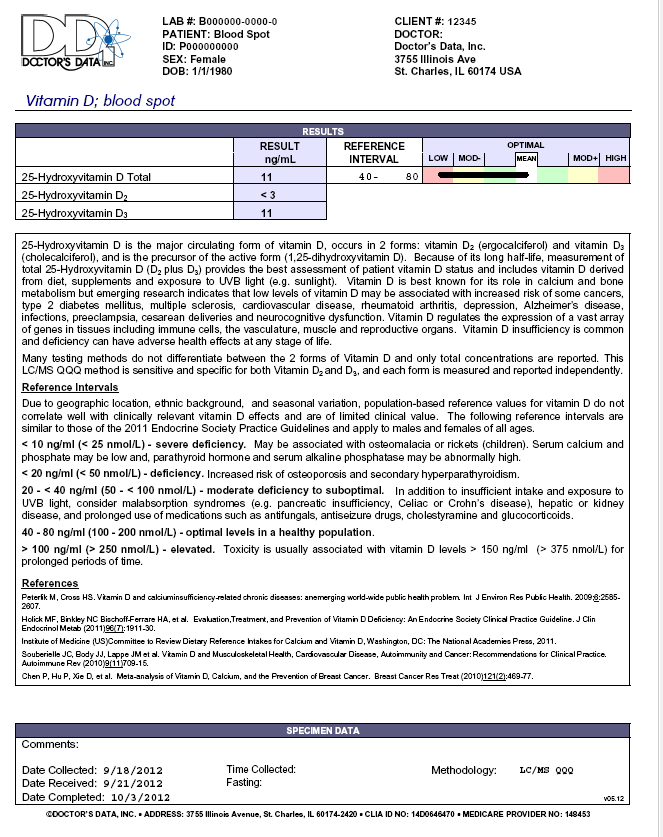
Doctors Data Vitamin D Test Blood Spot
$99.00Find out your Vitamin D level now with an at home Doctors Data Vitamin D Blood Spot Test. With a simple finger prick blood test, you can know your levels of Vitamin D and adjust your diet and lifestyle to make your Vitamin D levels normal.Doctors Data Vitamin D Test Blood Spot
At Home Health Tests, Blood Spot Tests, Immune System Tests, Vitamin Tests, Immune System Solutions, Heart Solutions, Bone Solutions, Virus Solutions, Arthritis Solutions, Anxiety, Stress, Depression Solutions, Autism Solutions$99.00Successfully Added to your Shopping CartAdding to Cart... -
←→
Analytical Research Labs Hair Minerals Test
$179.00$169.00Providing a mineral blueprint of one’s biochemistry, an Analytical Research Labs Hair Minerals Test reports levels of minerals and heavy metals in your body giving possible reasons for your symptoms, with suggestions for nutritional supplements and diet changes. Hair tissue mineral analysis can provide pertinent information about balanced nutrition, one’s metabolic rate, energy levels, sugar and carbohydrate tolerance, stage of stress, immune system and glandular activity.Analytical Research Labs Hair Minerals Test
$179.00 $169.00Successfully Added to your Shopping CartAdding to Cart...
Supplements
-
←→
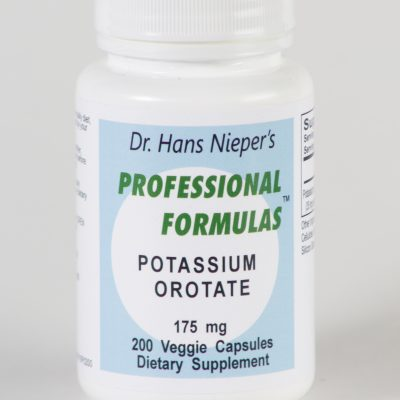
Potassium Orotate
Supplements, Mineral Supplements, Skin Solutions, Diabetes Solutions, Heart Solutions, Muscle Solutions, Hormone Solutions, Gastrointestinal Solutions$23.40Successfully Added to your Shopping CartAdding to Cart... -
←→
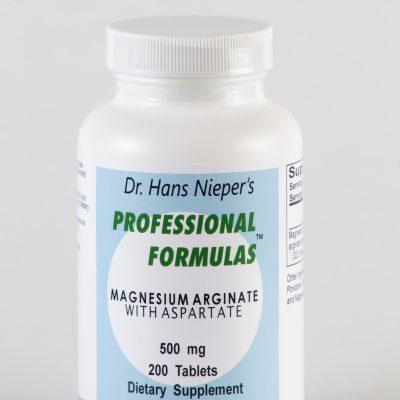
Magnesium Arginate w/ Aspartate
Supplements, Mineral Supplements, Muscle Solutions, Heart Solutions, Diabetes Solutions, Nerve Damage Solutions, Immune System Solutions, Amino Acids Supplements, Autism Solutions$12.70Successfully Added to your Shopping CartAdding to Cart... -
←→
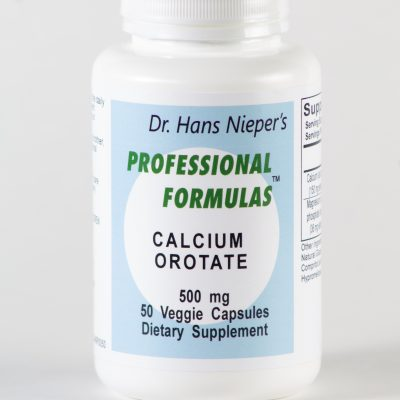
Calcium Orotate
Supplements, Mineral Supplements, Bone Solutions, Nerve Damage Solutions, Skin Solutions, Heart Solutions$26.80Successfully Added to your Shopping CartAdding to Cart... -
←→
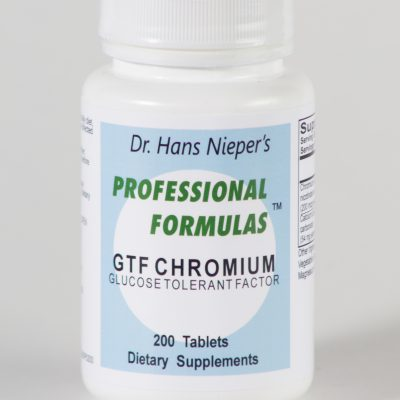
GTF Chromium Glucose Tolerance Factor
$4.60GTF Chromium Glucose Tolerance Factor with 200 mcg ChromiumGTF Chromium Glucose Tolerance Factor
Supplements, Mineral Supplements, Diabetes Solutions, Skin Solutions, Heart Solutions, Muscle Solutions, Anxiety, Stress, Depression Solutions, Fatigue Solutions$4.60Successfully Added to your Shopping CartAdding to Cart... -
←→
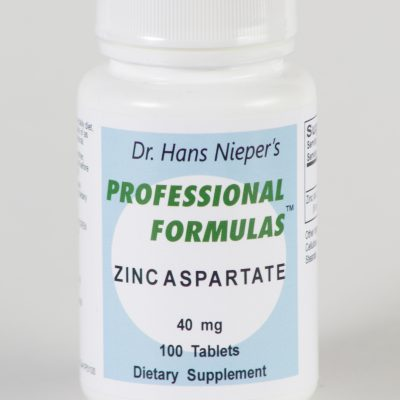
Zinc Aspartate
$6.00Zinc AspartateMaximum quantity exceededMinimum purchase amount of 0 is requiredZinc Aspartate
Supplements, Mineral Supplements, Skin Solutions, Bone Solutions, Hormone Solutions, Immune System Solutions, Gastrointestinal Solutions$6.00Successfully Added to your Shopping CartAdding to Cart... -
←→

Buffered Vitamin C with Calcium, Magnesium & Potassium Ascorbate
$11.70Buffered C with Ca-Mg-K-Ascorbates 100ct.Buffered Vitamin C with Calcium, Magnesium & Potassium Ascorbate
Supplements, Vitamin Supplements, Skin Solutions, Cancer Solutions, Immune System Solutions, Antioxidant Supplements, Allergy Solutions, Autism Solutions$11.70Successfully Added to your Shopping CartAdding to Cart...
References
- https://doi.org/10.1210/jc.2011-0385
- https://www.ncbi.nlm.nih.gov/pmc/articles/PMC3466912/
- https://ods.od.nih.gov/factsheets/VitaminD-HealthProfessional/
- https://onlinelibrary.wiley.com/doi/abs/10.1111/obr.12239