


Table of Contents
Introduction to Unique Patients
Healthcare is not one-size-fits-all. Every patient comes with a unique set of genetic, environmental, biological, psychological, and social factors that influence their health. Understanding these differences is crucial for successful diagnosis and treatment. This article delves into the concept of biochemical individuality, exploring why recognizing individual patient differences is imperative in the healthcare field.
The Importance of Recognizing Individual Differences
Patients often present with similar symptoms, yet their underlying health conditions can vary significantly. Acknowledging biochemical individuality is essential for effective treatment because it highlights that what works for one patient may not work for another. This realization is vital for healthcare professionals who strive to provide the best possible care tailored to each individual.
By embracing the uniqueness of each patient, healthcare providers can avoid the pitfalls of generalized treatments. This personalized approach not only enhances treatment efficacy but also fosters patient trust and engagement in their healthcare journey.
Biochemical Individuality
Understanding the Science Behind Biochemical Individuality
Biochemical individuality refers to the unique biological makeup of each person, shaped by genetics, environment, and lifestyle. Each individual possesses different metabolic pathways, nutrient requirements, and responses to supplements and medications. This variability exists at the molecular level and can significantly affect health outcomes.
Research in the field of pharmacogenomics has demonstrated that genetic differences can influence how patients metabolize medications, leading to variations in therapeutic effectiveness and side effects. Such insights underscore the importance of individualized treatment plans based on a thorough understanding of a patient’s unique biochemical profile.
The Role of Genetics in Patient Differences
Genetic factors play a critical role in determining how an individual responds to treatments and medications. Variants in specific genes can affect drug metabolism, efficacy, and toxicity. For example, patients with variations in the CYP450 gene family may metabolize drugs more quickly or slowly than others, leading to potential overdoses or ineffective treatment.
Moreover, genetic predispositions can influence disease susceptibility, progression, and response to lifestyle interventions. Understanding these genetic nuances allows healthcare providers to tailor treatments that align more closely with each patient’s unique genetic makeup, ultimately improving health outcomes.
Individuality of Patients in Medical Treatment
How Patient History Influences Treatment Plans
Patient history is an invaluable tool in crafting effective treatment plans. Factors such as family medical history, previous illnesses, and past treatments provide context that can inform future medical decisions. For instance, a patient with a history of adverse reactions to certain medications may require alternative therapies or different dosing strategies.
Additionally, understanding the social determinants of health—such as socioeconomic status, education, and access to care—can shed light on a patient’s health and treatment adherence. A comprehensive assessment of patient history not only aids in diagnosis but also ensures that treatment plans are realistic and appropriate for each individual’s circumstances.
The Impact of Lifestyle on Health Outcomes
Lifestyle factors such as diet, exercise, and stress management play a significant role in health and can differ widely among individuals. For example, two patients with similar health conditions may respond differently to dietary changes based on their nutritional needs and preferences. One patient might thrive on a high-protein diet while another may find it detrimental.
Moreover, mental health and emotional well-being affect how individuals cope with illness and adhere to treatment. A patient’s lifestyle choices—whether they lead a sedentary lifestyle, smoke, or have strong social support—can dramatically influence their recovery process. Acknowledging these lifestyle factors enables healthcare providers to formulate tailored interventions that resonate with each patient’s unique context.
Every Patient is Different: Real-Life Examples
Case Study: Two Patients with the Same Diagnosis
Consider two patients diagnosed with hypertension. Patient A, a 45-year-old woman with a family history of cardiovascular disease, leads a high-stress lifestyle and consumes a diet high in sodium. Patient B, a 50-year-old man with no family history of heart disease, exercises regularly and adheres to a low-sodium diet. Though they share the same diagnosis, their treatment plans may differ significantly.
Patient A may benefit from a combination of lifestyle modifications and medication to lower blood pressure, whereas Patient B might manage their condition effectively through lifestyle changes alone. This example illustrates how a nuanced understanding of each patient’s unique circumstances can lead to more effective healthcare strategies.
Variations in Response to Medications
Medications do not always yield the same results across different patients. For instance, some individuals may experience side effects that others do not, even when administered the same dosage of a drug. A classic example is the anticoagulant warfarin, which requires careful monitoring and dose adjustments due to genetic differences in metabolism among individuals.
Health professionals need to consider these variations when prescribing medications. By utilizing genetic testing and patient feedback, they can adjust dosages and select treatments that optimize therapeutic outcomes while minimizing adverse effects. Such personalized medication strategies can significantly enhance patient care.
Need for Doctors Who Understand Patient Differences
The Importance of Personalized Medicine
The rise of personalized medicine marks a shift toward more individualized healthcare approaches. By integrating genetic, environmental, and lifestyle factors, healthcare providers can create tailored treatment plans that address the specific needs of each patient. This transition not only improves treatment effectiveness but also enhances patient engagement and satisfaction.
Personalized medicine entails a collaborative approach where patients are active participants in their healthcare decisions. Educating patients about their unique health profiles empowers them to make informed choices, leading to better health outcomes and quality of life.
Building Strong Doctor-Patient Relationships
Effective healthcare relies on strong relationships between doctors and patients. Open communication fosters trust, allowing patients to share vital information that may influence their treatment. A healthcare provider who understands and values a patient’s individuality is better equipped to provide care that aligns with the patient’s values and preferences.
Moreover, cultivating a supportive environment encourages patients to express their concerns and preferences, leading to more meaningful healthcare experiences. Establishing rapport is a crucial step towards achieving optimal patient outcomes, as it enhances adherence to treatment and promotes proactive health management.
Conclusion: Embracing the Unique Patient
Recognizing and embracing biochemical individuality is essential for advancing patient care. Through a deeper understanding of genetic, environmental, and lifestyle factors, healthcare providers can offer more effective, tailored treatments that improve health outcomes. The move towards personalized medicine is not just a trend; it represents a fundamental shift in how healthcare is delivered.
As we look to the future of healthcare, it’s clear that the success of medical interventions relies heavily on acknowledging the unique circumstances of each patient. By fostering strong doctor-patient relationships and implementing personalized treatment plans, we can ensure that every individual receives the care they deserve.
FAQs
What does biochemical individuality mean?
Biochemical individuality refers to the unique biological and chemical makeup of each person, influenced by genetics, environment, and lifestyle factors. It highlights the variations in how individuals respond to treatments and medications.
What is an example of biochemical individuality?
An example of biochemical individuality is how different people metabolize caffeine at varying rates due to genetic differences in liver enzyme activity.
What role do environmental exposures play in patient care?
Environmental exposures can significantly impact patient care by influencing health outcomes, disease progression, and treatment effectiveness. Identifying and addressing these exposures is essential for personalized care, prevention strategies, and improving overall patient well-being.
Why is personalized medicine important?
Personalized medicine is important because it tailors treatment plans to fit the unique needs of each patient, improving the effectiveness of interventions and reducing the risk of adverse effects.
What are the biochemical markers of individuality?
Biochemical markers of individuality include:
Genetic Variants: Single nucleotide polymorphisms (SNPs) and copy number variations (CNVs).
Environmental Exposures: Toxic Substances such as Heavy Metals and Chemicals.
Metabolites: Unique profiles of metabolites in blood, urine, or tissues.
Proteins: Variability in protein expression levels and isoforms.
Hormones: Distinct hormone levels and responses.
Microbiome Composition: Differences in gut microbiota profiles.
Lipids: Unique lipid profiles and fatty acid compositions.
Enzymatic Activity: Variation in enzyme activities affecting metabolic pathways.
What role does genetic testing play in patient care?
Genetic testing helps identify variations that may affect drug metabolism and response. This information allows healthcare providers to customize treatment plans, ensuring they are safe and effective for each patient.
Products
At Home Tests to Measure Biochemical Individuality
-
←→
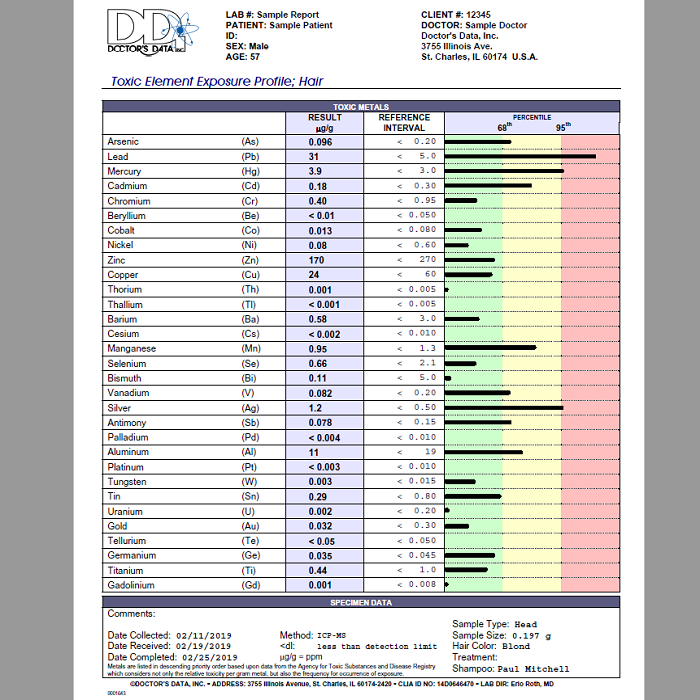
Doctors Data Hair Toxic Elements Test
$174.00$159.00Doctors Data Hair Toxic Elements Test is a noninvasive screening hair test reports an expanded lineup of toxic metals as well as specific nutrient elements.Doctors Data Hair Toxic Elements Test
At Home Health Tests, Toxic Metals Tests, Autism Tests, Detox Solutions, Diabetes Solutions, Fatigue Solutions, Memory Loss Solutions, Autism Solutions, Hair Tests$174.00 $159.00Successfully Added to your Shopping CartAdding to Cart... -
←→

US BioTek Organic Acids Profile 120+ Markers
$389.00A unique biochemistry profile called Organic Acid Profile (OAP) can detect alterations in your gut, cellular deficiencies, levels of neurotrasmitters, exposures to mold or fungus and indicate need for specific nutrients, diet modifications and detoxification. This profile has been updated to include environmental pollutants for a more complete snapshot picture of toxic exposure to environmental chemicals.US BioTek Organic Acids Profile 120+ Markers
At Home Health Tests, Nutritional Tests, Mycotoxin Molds Tests, Autism Tests, Environmental Pollutants Tests, Organic Acids Tests, Detox Solutions, Vitamin Tests$389.00Successfully Added to your Shopping CartAdding to Cart... -
←→

Trace Elements Hair Mineral and Toxic Elements
Nutritional Tests, At Home Health Tests, Toxic Metals Tests, Autism Tests, Immune System Tests, Hair Tests, Weight Control Solutions$188.00 $169.00Successfully Added to your Shopping CartAdding to Cart... -
←→

Alletess Food Allergy Sensitivity Test
$269.00 $223.00 - $383.00Food sensitivities may be causing many of your health issues. Test now with this convenient at home test; no lab visit required.Alletess Food Allergy Sensitivity Test
At Home Health Tests, Allergy Tests, Blood Spot Tests, Allergy Solutions, Lung Solutions, Gastrointestinal Solutions$269.00 $223.00 - $383.00Successfully Added to your Shopping CartAdding to Cart... -
←→

UCARI Intolerance Test Kit
$99.99$88.00Test for 1500+ possible intolerances and nutritional imbalancesUCARI Intolerance Test Kit
At Home Health Tests, Allergy Tests, Nutritional Tests, Environmental Pollutants Tests, Mycotoxin Molds Tests, Allergy Solutions, Lung Solutions, Gastrointestinal Solutions, Immune System Tests, Candida Solutions, Hair Tests$99.99 $88.00Successfully Added to your Shopping CartAdding to Cart... -
←→

OmegaQuant Complete Test Kit
$114.95Maximum quantity exceededMinimum purchase amount of 0 is required -
←→
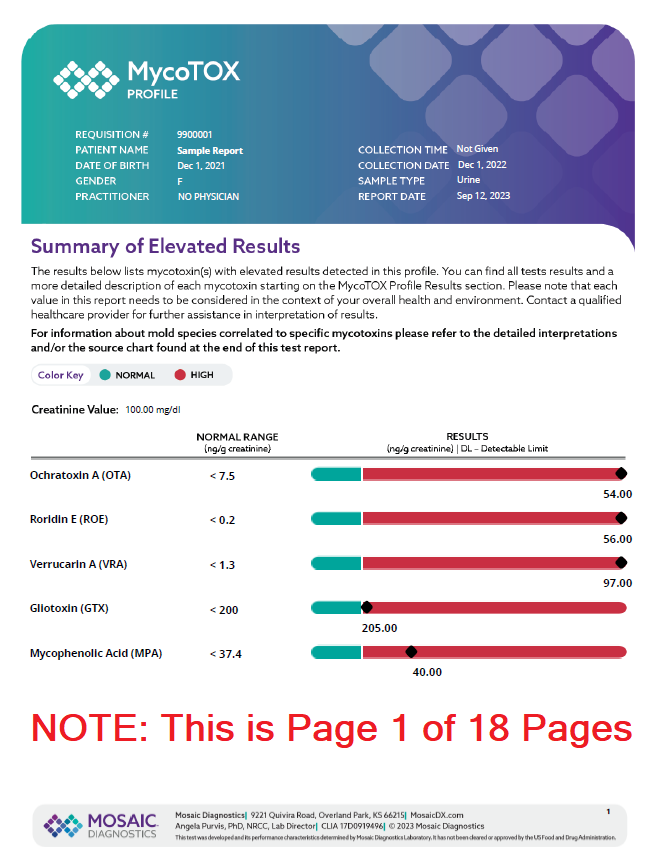
Mosaic MycoTOX Profile
$345.00Mycotoxins are some of the most prevalent toxins in the environment. Mycotoxins are produced from fungi like mold, and can infest buildings, vehicles, and foodstuffs. Fungi are able to grow on almost any surface, especially if the environment is warm and wet. Inner wall materials of buildings, wall paper, fiber glass insulation, ceiling tiles, and gypsum support are all good surfaces for fungi to colonize. These fungi then release mycotoxins into the environment causing symptoms of many different chronic diseases. Diseases and symptoms linked to mycotoxin exposure include fever, pneumonia-like symptoms, heart disease, rheumatic disease, asthma, sinusitis, cancer, memory loss, vision loss, chronic fatigue, skin rashes, depression, ADHD, anxiety, and liver damage. With our MycoTOX Profile, we can identify mycotoxin exposures and make recommendations for detoxification treatments that have been effective.Mosaic MycoTOX Profile
At Home Health Tests, Mycotoxin Molds Tests, Detox Solutions, Immune System Solutions, Candida Solutions$345.00Successfully Added to your Shopping CartAdding to Cart...
Supplements to Support Biochemical Individuality
-
←→

Membrane Complex
Supplements, Mineral Supplements, Heart Solutions, Skin Solutions, Probiotics Supplements, Bone Solutions, Lung Solutions, Muscle Solutions, Immune System Solutions$15.00Successfully Added to your Shopping CartAdding to Cart... -
←→

Calcium Orotate
Supplements, Mineral Supplements, Bone Solutions, Nerve Damage Solutions, Skin Solutions, Heart Solutions$26.80Successfully Added to your Shopping CartAdding to Cart... -
←→

Zinc Arginate with Aspartate
Supplements, Mineral Supplements, Skin Solutions, Immune System Solutions, Amino Acids Supplements, Allergy Solutions$8.10Successfully Added to your Shopping CartAdding to Cart... -
←→

Buffered Vitamin C with Calcium, Magnesium & Potassium Ascorbate
$11.70Buffered C with Ca-Mg-K-Ascorbates 100ct.Buffered Vitamin C with Calcium, Magnesium & Potassium Ascorbate
Supplements, Vitamin Supplements, Skin Solutions, Cancer Solutions, Immune System Solutions, Antioxidant Supplements, Allergy Solutions, Autism Solutions$11.70Successfully Added to your Shopping CartAdding to Cart... -
←→

Selenium
Supplements, Mineral Supplements, Heart Solutions, Immune System Solutions, Hormone Solutions, Antioxidant Supplements$13.10Successfully Added to your Shopping CartAdding to Cart... -
←→

Magnesium Arginate w/ Aspartate
Supplements, Mineral Supplements, Muscle Solutions, Heart Solutions, Diabetes Solutions, Nerve Damage Solutions, Immune System Solutions, Amino Acids Supplements, Autism Solutions$12.70Successfully Added to your Shopping CartAdding to Cart... -
←→
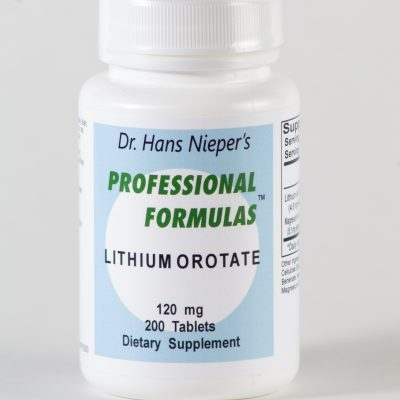
Lithium Orotate
Supplements, Mineral Supplements, Autism Solutions, Nerve Damage Solutions, Immune System Solutions, Gastrointestinal Solutions$16.30Successfully Added to your Shopping CartAdding to Cart... -
←→

GTF Chromium Glucose Tolerance Factor
$4.60GTF Chromium Glucose Tolerance Factor with 200 mcg ChromiumGTF Chromium Glucose Tolerance Factor
Supplements, Mineral Supplements, Diabetes Solutions, Skin Solutions, Heart Solutions, Muscle Solutions, Anxiety, Stress, Depression Solutions, Fatigue Solutions$4.60Successfully Added to your Shopping CartAdding to Cart... -
←→

-
←→

Squalene Shark Liver Oil
Supplements, Essential Fats Supplements, Skin Solutions, Heart Solutions, Immune System Solutions, Fish Oil Supplements$42.90Successfully Added to your Shopping CartAdding to Cart...
References
- Biochemical Individuality; NBI Health, John Neustadt, ND, and Steve Pieczenik, MD, PhD
- Biochemical individuality: the next generation; PubMed, Calabrese EJ. Biochemical individuality: the next generation. Regul Toxicol Pharmacol. 1996 Aug;24(1 Pt 2):S58-67. doi: 10.1006/rtph.1996.0079. PMID: 8921558.
- Biochemical Individuality: The Basis for the Genetotrophic Concept; JAMA,



Hello lads!
This resource is packed with a lot of useful information that you might find insightful.