

Table of Contents
Understanding Protein Powder Ingredients
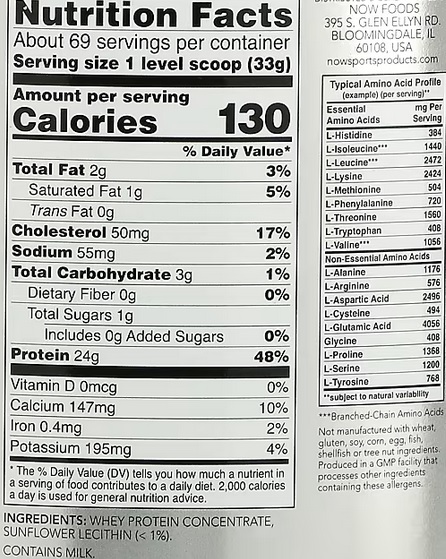
Protein powders are a staple in many fitness enthusiasts’ diets, offering a convenient way to meet protein intake goals. However, not all protein powders are created equal, and understanding their ingredients is crucial for making informed choices. This section delves into the different types of protein powders available, common ingredients and additives, and the importance of quality control in manufacturing.
Types of Protein Powders
Protein powders come in various forms, primarily categorized by their source of protein. The most popular types include:
- Whey Protein: Derived from milk, whey protein is a complete protein containing all essential amino acids. It’s rapidly absorbed, making it a favorite among athletes for post-workout recovery.
- Casein Protein: Also from milk but absorbed more slowly than whey, casein is ideal for sustained protein release, often consumed before bedtime.
- Plant-Based Proteins: These include proteins sourced from peas, rice, hemp, and soy. They are popular among vegans and those with lactose intolerance.
- Egg Protein: Made from egg whites, this protein is highly bioavailable and a great alternative for those avoiding dairy.
Each type has its unique benefits and potential drawbacks, contributing to a diverse market catering to different dietary needs.
Common Ingredients and Additives
Beyond the primary protein source, many protein powders contain various ingredients and additives. Common additives include:
- Sweeteners: These can be natural like stevia or artificial like sucrose, enhancing flavor without adding calories.
- Thickeners: Ingredients like xanthan gum or guar gum are often added to improve texture.
- Vitamins and Minerals: Some formulations are fortified with additional nutrients to enhance their health benefits.
While many of these additives are harmless, consumers should read labels carefully to understand what they are consuming and to avoid any potential allergens or unwanted substances.
Quality Control in Manufacturing
The production of protein powders is not uniformly regulated, which raises concerns about the quality and purity of the products on the market. Quality control measures are essential to ensure that protein powders are free from contaminants like heavy metals, and that they accurately contain the nutrients they claim. Reputable brands often adhere to strict manufacturing practices and third-party testing to validate their products’ safety and efficacy.
The Issue of Lead in Protein Powder
Lead contamination in protein powders has garnered significant attention in recent years. As consumers become more health-conscious, the presence of lead in dietary supplements raises legitimate concerns about safety and long-term health implications. This section explores potential sources of contamination, recent studies highlighting the issue, and the implications for protein shakes.
Sources of Contamination
Lead can enter protein powders through various channels, including:
- Raw Materials: The primary source of protein may be contaminated if it is sourced from plants grown in lead-rich soil or if it absorbs lead from the environment.
- Manufacturing Processes: Inadequate cleaning of equipment or poor quality control during production can introduce lead into the final product.
- Packaging Materials: Certain packaging materials may leach lead into the product, particularly if they are not food-grade.
Understanding these sources helps consumers make informed choices and choose brands that prioritize safety and transparency in their manufacturing processes.
Recent Studies on Lead in Protein Powders
A number of studies conducted over the past years have raised alarms about the presence of lead in protein powders. For example, a 2018 report by the Clean Label Project found significant levels of lead in several popular protein powder brands, prompting calls for better regulation and transparency in the supplement industry. The findings revealed that not only were lead levels varied among brands, but many exceeded the limits set by health authorities.
This growing body of evidence emphasizes the importance of awareness among consumers regarding the potential risks associated with lead in their protein supplements.
Lead in Protein Shakes: What the Data Shows
Data shows that the contamination of lead in protein shakes may not be an isolated issue but a systemic problem affecting multiple brands. To illustrate this concern, a review of various studies indicates that some protein shakes contained lead levels significantly higher than the acceptable threshold set by the Environmental Protection Agency (EPA). This alarming data underscores the necessity for stricter regulations and consumer vigilance.
Long-Term Dangers of Lead Exposure
Chronic exposure to lead poses significant health risks, particularly when it accumulates in the body over time. Understanding these risks is crucial for consumers who regularly incorporate protein powders into their diets. In this section, we explore the health risks associated with long-term exposure and identify vulnerable populations that may be affected more severely.
Understanding these risks is crucial for consumers who regularly incorporate protein powders into their diets. In this section, we explore the health risks associated with long-term exposure and identify vulnerable populations that may be affected more severely.
Health Risks Associated with Chronic Exposure
Long-term exposure to lead can result in serious health consequences, particularly for individuals who consume contaminated products over extended periods. Some of the known health risks include:
- Neurological Damage: Lead exposure is particularly harmful to the nervous system and can result in cognitive deficits, behavioral issues, and decreased IQ, especially in children.
- Kidney Damage: Prolonged lead exposure can lead to kidney dysfunction, as the kidneys struggle to filter out the metal.
- Cardiovascular Problems: Chronic lead exposure is linked to hypertension and other cardiovascular issues, putting individuals at increased risk of heart disease.
These long-term risks highlight the importance of scrutinizing the products we consume and their potential effects on our health.
Vulnerable Populations
Certain groups are more susceptible to the adverse effects of lead exposure. Vulnerable populations include:
- Children: Due to their developing brains and bodies, children are at a heightened risk of experiencing severe health effects from lead exposure.
- Pregnant Women: Lead can cross the placental barrier, potentially affecting fetal development and leading to complications during pregnancy.
- Individuals with Pre-existing Health Conditions: Those with kidney disease or other underlying health issues may experience exacerbated consequences from lead exposure.
Identifying and protecting these vulnerable populations is critical in mitigating the health risks associated with lead in protein powders.
Accumulation of Lead in the Body
An important aspect of understanding the dangers of lead exposure lies in how the body accumulates lead over time. This section will discuss the mechanisms of lead accumulation and the factors influencing its retention within the body.
How Lead Accumulates Over Time
Lead is a heavy metal that the body absorbs through the gastrointestinal tract and respiratory system. Unlike many other substances, lead does not readily exit the body. Instead, it tends to accumulate in various tissues, including bones, teeth, and organs. This accumulation can last for years, depending on the level of exposure and individual metabolism. Lead is stored for extended periods of time in the bones, which serve as a reservoir. The bone half life can be up to 35 years.
As lead accumulates, it may be released back into the bloodstream during periods of stress or metabolic changes, leading to fluctuating blood lead levels. This retention poses significant long-term health risks, as even low levels of lead can cause harm over time.
Factors Influencing Lead Accumulation
Several factors can influence the accumulation of lead in the body, including:
- Diet: A diet low in essential nutrients can increase lead absorption, as certain vitamins and minerals help to mitigate the effects of heavy metals.
- Age: Younger individuals tend to absorb lead more readily than adults, making children particularly vulnerable.
- Genetic Factors: Genetic predispositions may affect how individuals metabolize and excrete lead, influencing overall accumulation.
Understanding these factors can help individuals take proactive measures to minimize lead absorption and its associated risks.
Health Effects of Lead
Lead exposure can lead to a multitude of health issues, which vary significantly between short-term and long-term exposure scenarios. This section explores both aspects, providing insight into the symptoms associated with lead poisoning. Keep in mind that no amount of lead in the body is safe. When the body cannot get rid of it through the urine or feces, it will hide it mostly in the bones.
SYMPTOMS: Behavior issues and developmental disorders in children, such as poor growth, hearing loss, and IQ loss, can manifest at relatively low levels. The following can happen in order as the concentration of lead increases: reduced blood hemoglobin synthesis, headache, decreased nerve conduction velocity, metallic taste, loss of appetite, constipation, colic, frank anemia, tremors, nephrotoxic effects with impaired kidney excretion of uric acid, neuropathy, encephalopathy (altered brain structure and function), impaired vitamin D metabolism, and initial effects on erythrocyte and erythroid precursor cell enzymology. Diffuse brain disease is the cause.
Short-Term vs. Long-Term Effects
Short-term exposure to lead, even at low levels, can cause symptoms such as headaches, fatigue, and irritability. However, the real danger lies in long-term exposure, which can culminate in severe health complications. Over time chronic lead exposure can result in:
- Severe neurological damage, including cognitive decline and developmental delays in children.
- Kidney damage, impacting the body’s ability to filter waste and leading to further health complications.
- Cardiovascular problems, increasing the risk of hypertension and heart disease.
The distinction between short-term and long-term effects emphasizes the importance of early intervention and continuous monitoring of lead levels.
Symptoms of Lead Poisoning
Symptoms of lead poisoning can range from mild to severe, with some individuals experiencing no symptoms at all in the early stages. Common symptoms include:

- Abdominal Pain: Often accompanied by constipation or diarrhea.
- Neurological Symptoms: Such as confusion, memory loss, and mood disorders.
- Physical Symptoms: Including fatigue, weakness, and headaches.
Recognizing these symptoms is critical for timely medical intervention and management of lead exposure.
Testing for Lead in the Body
For those concerned about potential lead exposure, testing is essential for determining lead levels in the body. Here, we will discuss the most accurate methods for testing, including hair testing, and other available options.
Most Accurate Methods: Hair Testing
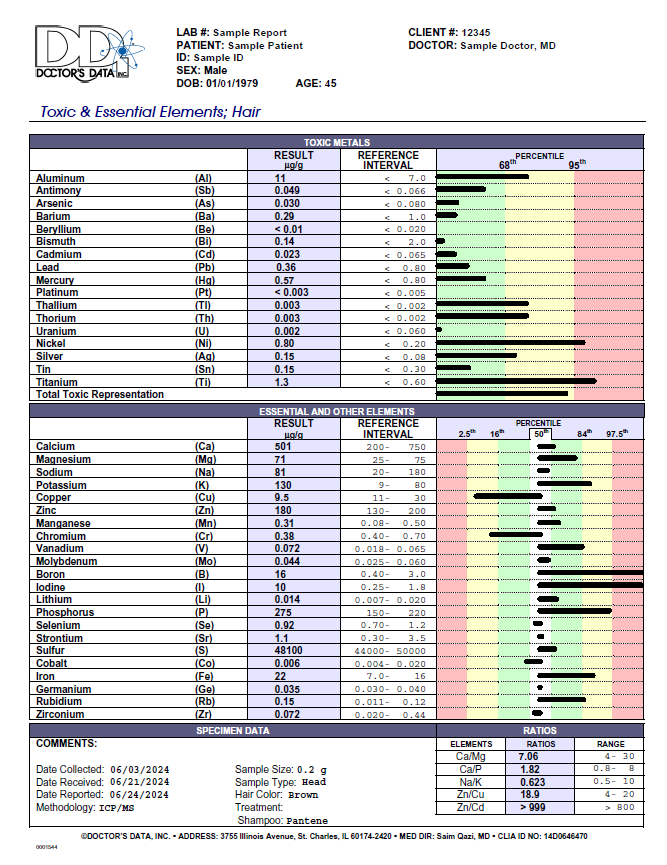
Hair testing is emerging as a promising method for detecting lead exposure. Unlike traditional blood tests, which provide a snapshot of lead levels at a given moment, hair testing can reveal accumulated lead over a longer duration. This method measures lead content in hair samples, allowing for a historical view of exposure levels.
While hair testing can provide valuable insights, it is essential to use accredited laboratories to ensure accuracy and reliability. Additionally, it is often recommended to combine hair testing with traditional blood tests for a comprehensive assessment of lead exposure.
Other Testing Options
In addition to hair testing, there are other methods to assess lead levels in the body:
- Blood Tests: The most common method, blood tests measure the current level of lead in the bloodstream, providing immediate results. It gives information regarding recent exposure, not chronic exposure.
- Urine Tests: While urine tests can help indicate recent exposure, they are less effective in determining chronic exposure or body burden, unless chelation, either orally or intravenously, is performed first.
Consulting a healthcare professional for the best testing method based on individual circumstances is vital for accurate diagnosis and management.
Detoxifying Lead from the Body
Once lead exposure is confirmed, the focus shifts to detoxifying the body. Several methods can help eliminate lead and reduce its health impact, including dietary strategies and effective detox methods.
Minerals That Help Displace Lead
Certain minerals play a crucial role in supporting the body’s natural detoxification processes. These include:
- Calcium: Vital for preventing lead absorption, calcium-rich foods can help mitigate the effects of lead exposure.
- Iron: Adequate iron levels can reduce lead absorption in the intestines, making iron-rich foods essential for individuals at risk.
- Zinc: Zinc supplementation has been shown to inhibit lead absorption and promote excretion.
Incorporating these minerals into one’s diet can significantly improve the body’s ability to handle lead exposure and support overall health.
Effective Detox Methods

Detoxifying the body from lead often involves a combination of dietary changes, lifestyle adjustments, and, in some cases, medical interventions. Some effective methods include:
- Dietary Changes: Focusing on a diet rich in fruits, vegetables, and whole grains can help support detoxification.
- Hydration: Drinking plenty of water aids the kidneys in flushing out toxins, including lead.
- Medical Interventions: In severe cases, chelation therapy may be recommended, wherein chelating agents are administered to bind lead and facilitate its excretion.
- It is crucial to approach detoxification holistically and consult with healthcare professionals,like Dr Psonak, for guidance tailored to individual needs.
Conclusion
The presence of lead in protein powders and shakes raises significant health concerns that consumers must be aware of. Understanding the origins of lead contamination, the serious health risks associated with chronic exposure, and the importance of testing and detoxification is essential for maintaining health and well-being.
Final Thoughts on Lead in Protein Powders
As the dietary supplement industry continues to evolve, the responsibility is yours as a consumer to be vigilant about the products you choose. Educating oneself about the potential dangers of lead in protein powders, opting for reputable brands that undergo rigorous quality testing, and remaining informed about health risks is paramount. By taking these steps, you can make safer, healthier choices in their dietary supplements.
Recommendations for Consumers
For fitness enthusiasts, health-conscious individuals, and seniors alike, consider the following recommendations:
- Research brands and read labels carefully to understand the ingredients and any potential contaminants.
- Stay informed about recent studies and consumer reports regarding the safety of protein powders.
- Consult healthcare professionals when concerned about lead exposure or considering detoxification methods.
FAQ’s
What ingredients are in protein powder that may be toxic?
Common ingredients in protein powder that may be toxic include:
Heavy metals (lead, arsenic, cadmium, mercury)
Artificial sweeteners (aspartame, sucralose)
Excessive added sugars
Fillers and thickeners (xanthan gum, carrageenan)
Allergens (soy, dairy)
What types of protein powders have the highest likelihood of lead contamination?
Plant-based protein powders, particularly those sourced from regions with high environmental lead levels, may have a higher risk of contamination compared to dairy or egg-based proteins.
How can I check if my protein powder contains lead?
Look for third-party testing certifications on the packaging. Research any recalls or safety reports associated with the brand, and consult independent consumer reports.
Are there specific symptoms I should look out for regarding lead exposure?
Common symptoms include abdominal pain, headache, fatigue, and neurological changes. If you suspect lead exposure, consult a healthcare professional immediately.
How often should I get tested for lead if I’m regularly using protein powders?
Frequency of testing should be discussed with a healthcare provider, but individuals consuming protein powders regularly may consider annual testing to monitor any potential lead exposure.
Can lead exposure be reversed?
While the body can detoxify some lead with the right dietary and lifestyle changes, severe cases may require medical intervention, such as chelation therapy, orally or through IV therapy, to effectively reduce lead levels in the body.
Products
At Home Tests That Measure Lead in Your Body
-
←→
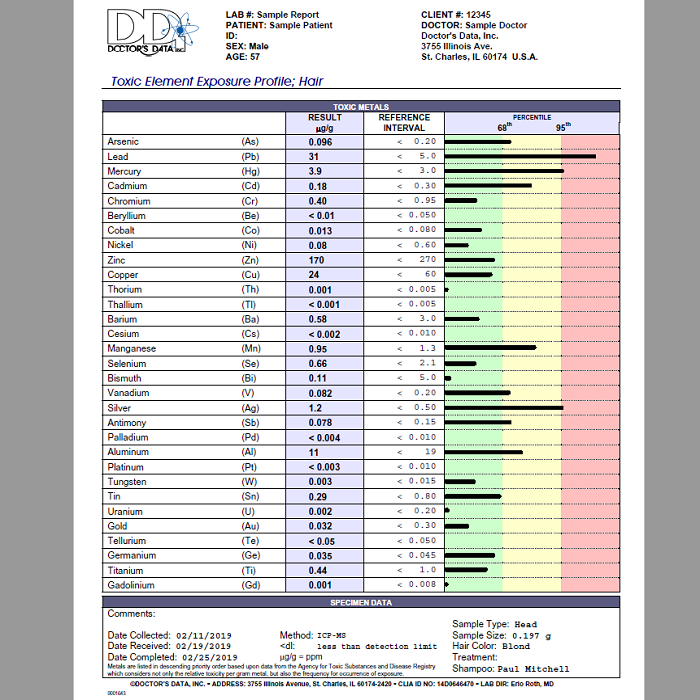
Doctors Data Hair Toxic Elements Test
$174.00$159.00Doctors Data Hair Toxic Elements Test is a noninvasive screening hair test reports an expanded lineup of toxic metals as well as specific nutrient elements.Doctors Data Hair Toxic Elements Test
At Home Health Tests, Toxic Metals Tests, Autism Tests, Detox Solutions, Diabetes Solutions, Fatigue Solutions, Memory Loss Solutions, Autism Solutions, Hair Tests$174.00 $159.00Successfully Added to your Shopping CartAdding to Cart... -
←→
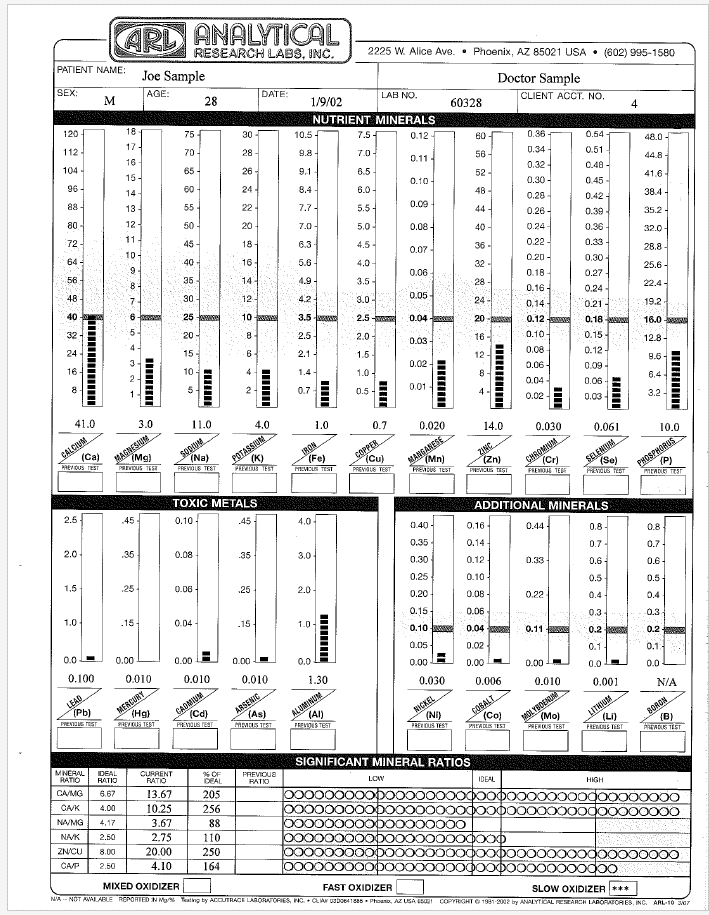
Analytical Research Labs Hair Minerals Test
$179.00$169.00Providing a mineral blueprint of one’s biochemistry, an Analytical Research Labs Hair Minerals Test reports levels of minerals and heavy metals in your body giving possible reasons for your symptoms, with suggestions for nutritional supplements and diet changes. Hair tissue mineral analysis can provide pertinent information about balanced nutrition, one’s metabolic rate, energy levels, sugar and carbohydrate tolerance, stage of stress, immune system and glandular activity.Analytical Research Labs Hair Minerals Test
$179.00 $169.00Successfully Added to your Shopping CartAdding to Cart... -
←→
Doctors Data Hair Toxic & Essential Elements Test
$174.00$159.00The Doctors Data Hair Elements Test for Minerals and Common Toxic Elements can determine your nutritional status as well as your body load of common heavy metals.Doctors Data Hair Toxic & Essential Elements Test
At Home Health Tests, Toxic Metals Tests, Fatigue Solutions, Inflammation Solutions, Memory Loss Solutions, Hair Tests$174.00 $159.00Successfully Added to your Shopping CartAdding to Cart... -
←→
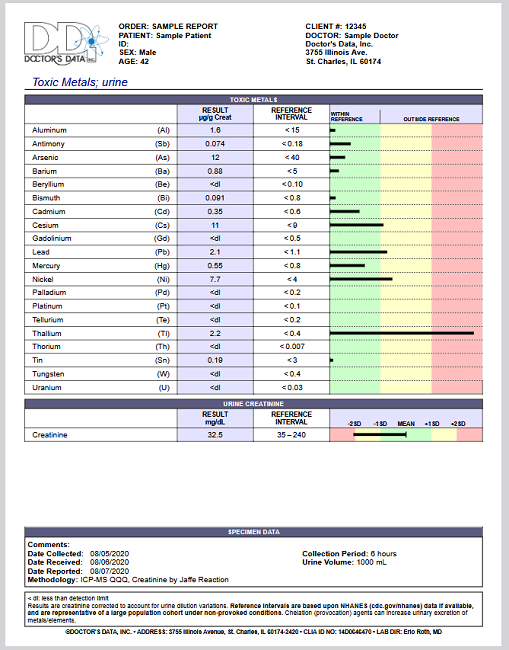
Doctors Data Urine Toxic Elements Test
$181.00$165.00The Doctors Data Urine Toxic Elements Test provides analysis of the levels of toxic metals in a urine sample preferably after the administration of a Chelating agent (metal detoxification agent). This is an objective way to evaluate the accumulation of toxic metals.- Buy 2 at $160.00
Doctors Data Urine Toxic Elements Test
$181.00 $165.00Successfully Added to your Shopping CartAdding to Cart... -
←→
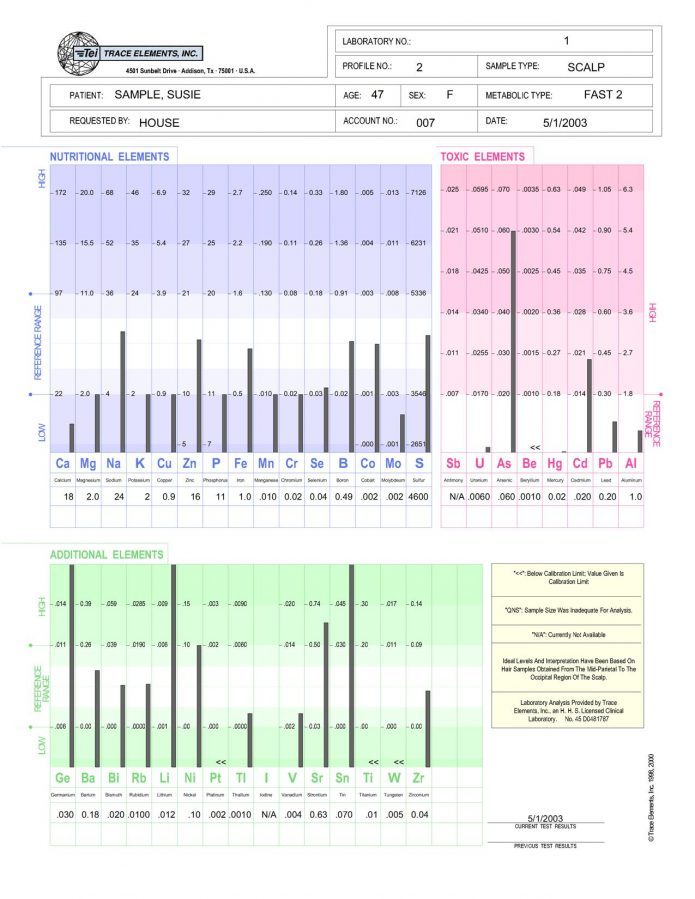
Trace Elements Hair Mineral and Toxic Elements
Nutritional Tests, At Home Health Tests, Toxic Metals Tests, Autism Tests, Immune System Tests, Hair Tests, Weight Control Solutions$188.00 $169.00Successfully Added to your Shopping CartAdding to Cart...
Supplements
-
←→
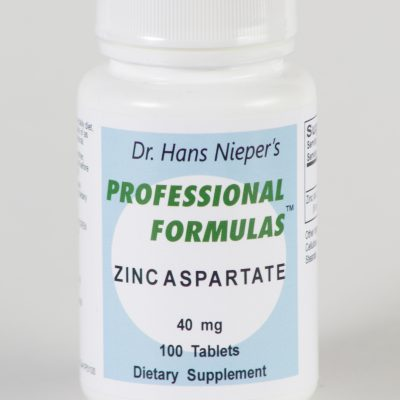
Zinc Aspartate
$6.00Zinc AspartateMaximum quantity exceededMinimum purchase amount of 0 is requiredZinc Aspartate
Supplements, Mineral Supplements, Skin Solutions, Bone Solutions, Hormone Solutions, Immune System Solutions, Gastrointestinal Solutions$6.00Successfully Added to your Shopping CartAdding to Cart... -
←→
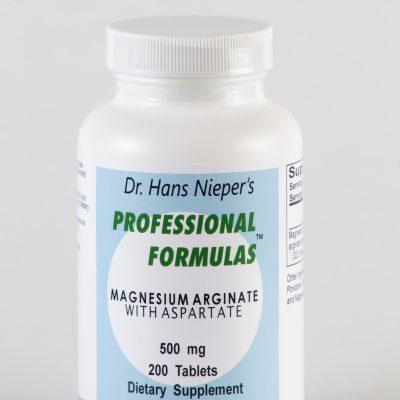
Magnesium Arginate w/ Aspartate
Supplements, Mineral Supplements, Muscle Solutions, Heart Solutions, Diabetes Solutions, Nerve Damage Solutions, Immune System Solutions, Amino Acids Supplements, Autism Solutions$12.70Successfully Added to your Shopping CartAdding to Cart... -
←→
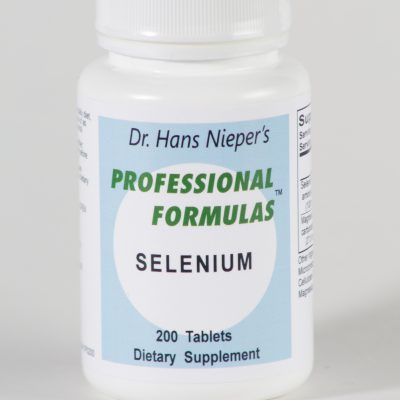
Selenium
Supplements, Mineral Supplements, Heart Solutions, Immune System Solutions, Hormone Solutions, Antioxidant Supplements$13.10Successfully Added to your Shopping CartAdding to Cart... -
←→
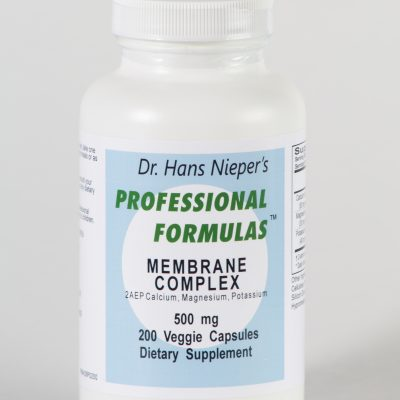
Membrane Complex
Supplements, Mineral Supplements, Heart Solutions, Skin Solutions, Probiotics Supplements, Bone Solutions, Lung Solutions, Muscle Solutions, Immune System Solutions$15.00Successfully Added to your Shopping CartAdding to Cart... -
←→
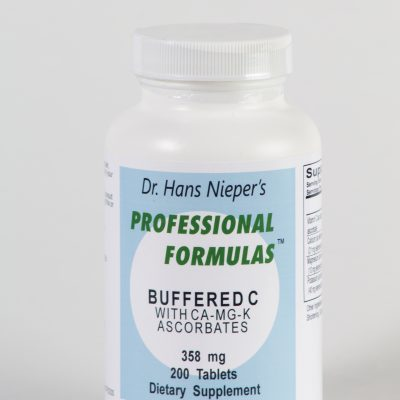
Buffered Vitamin C with Calcium, Magnesium & Potassium Ascorbate
$11.70Buffered C with Ca-Mg-K-Ascorbates 100ct.Buffered Vitamin C with Calcium, Magnesium & Potassium Ascorbate
Supplements, Vitamin Supplements, Skin Solutions, Cancer Solutions, Immune System Solutions, Antioxidant Supplements, Allergy Solutions, Autism Solutions$11.70Successfully Added to your Shopping CartAdding to Cart... -
←→
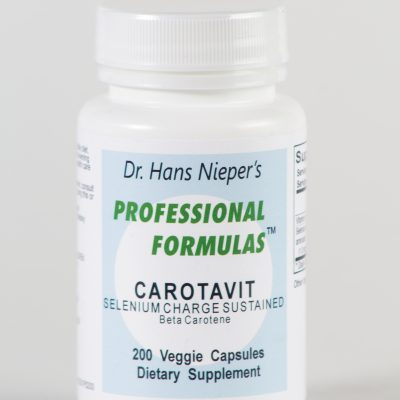
Carotavit with Selenium Charge Sustained
$23.40Successfully Added to your Shopping CartAdding to Cart...
References
- Dietary Supplements, US Food and Drug
- Protein Powders and Shakes Contain High Levels of Lead
- Lead in Food and Foodwares
- A human health risk assessment of heavy metal ingestion among consumers of protein powder supplements