


Table of Contents
How Fungus Affects You
This article will explore how the impact of fungus in your body affects your health, ways to manage its presence in your lives, and even delve into testing and supplements related to fungi. With a better understanding of these organisms, particularly the significance of fungus in body health, and recognizing the potential risks associated with fungus in body, we can appreciate their importance and take preventive measures where necessary.
Fungus in the Environment
Understanding Fungus
Fungus or fungi are a kingdom of organisms that include yeasts, molds, and mushrooms. They are distinct from plants and animals and can be found almost everywhere on earth, thriving in soil, water, and decaying organic matter. Fungi reproduce through spores, which can be dispersed by wind, water, or animals, allowing them to colonize new environments effectively. Some fungi are beneficial, contributing to nutrient cycling and decomposition, while others can be pathogenic or harmful.
Awareness of these common types can help in identifying and managing fungi effectively, especially in your home environment.
Fungus in Your Body
Fungus in body can often lead to various symptoms that may go unnoticed until they become severe. It is crucial to remain vigilant about the signs of fungus in body.
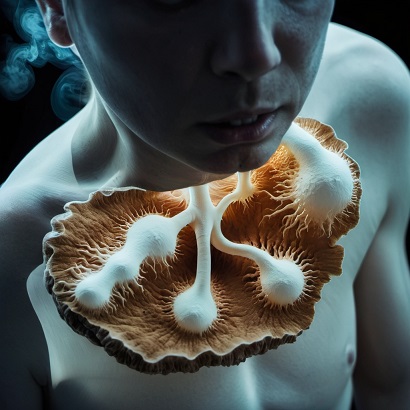
How Fungus Enters Your Body
Understanding how different types of fungus in body can affect your health is vital. This knowledge empowers individuals to take proactive steps against potential infections caused by fungus in body.
In order to maintain good health, it is essential to prevent the growth of fungus in body. Regular check-ups can be a way to monitor the presence of fungus in body.
Being aware of the effects of fungus in body is crucial for early detection and treatment of any infections.
Fungi can enter your body through various routes, including inhalation, ingestion, or skin contact. Some fungi are airborne, and their spores can easily be inhaled when one breathes in an environment where they are present. Others may be ingested through contaminated food or water, while certain fungi can penetrate the skin through cuts or abrasions.
Once inside, fungi can thrive in warm and moist body areas, like the mouth, skin folds, or even the lungs. The body’s immune system usually keeps these fungi in check; however, when the immune system is compromised like poor sleep, toxic heavy metals, chemicals, or when the fungal load is high, infections can occur.
Effects of Fungus on Health
While many fungi are harmless, some can lead to serious health issues. Fungal infections can range from mild to life-threatening, depending on the individual’s health status and the type of fungus involved. Common fungal infections include athlete’s foot, ringworm, and candidiasis, which can cause symptoms like rashes, itching, and inflammation.
Individuals with weakened immune systems or pre-existing health conditions are particularly vulnerable to more severe fungal infections, such as aspergillosis or cryptococcosis. These infections can lead to pneumonia and other respiratory issues, requiring medical intervention.
Signs of Fungal Infections
Identifying fungal infections early is crucial for effective treatment. Common signs include:
- Redness and irritation: Often seen in skin fungal infections.
- Itching or burning: Common symptoms associated with various fungal infections.
- Unusual discharge: Particularly relevant for yeast infections.
- Coughing or chest pain: Signs of respiratory fungal infections.
If you experience these symptoms,contact Health Always, Dr Psonak, for proper diagnosis and treatment.
How to Stop Fungus in Your Body
Effective strategies to combat fungus in body include following a healthy diet and maintaining a strong immune system.
Addressing the issue of fungus in body requires both awareness and action.
Many people underestimate the prevalence of fungus in body and its potential impact on overall health.
Preventative Measures
Recognizing the symptoms of fungus in body can lead to prompt and effective treatment.
Preventing fungal infections is often about maintaining good hygiene and health practices. Keep your skin clean and dry, particularly in warm and humid environments. Wearing breathable fabrics can also help reduce moisture buildup, which fungi love. Furthermore, avoid sharing personal items like towels, shoes, or combs, as these can facilitate the transfer of fungal spores.
Seeking medical advice is crucial when symptoms of fungus in body persist or worsen.
In addition, a balanced diet that supports a healthy immune system can help your body fight off potential infections. Foods rich in vitamins and minerals, particularly vitamin C and zinc, can enhance immune function.
Understanding how to prevent fungus in body can significantly improve health outcomes.
Awareness of fungus in body helps you make better health decisions and avoid serious complications.
Household cleanliness also plays a crucial role in preventing fungus in body.
Home Remedies and Treatments
For mild fungal infections, various home remedies may provide relief. Natural antifungal agents, such as tea tree oil, coconut oil, and garlic, can be applied topically to affected areas. However, while these remedies can be effective, they are not a substitute for professional medical treatment, especially for more severe infections.
Over-the-counter antifungal creams and medications are often effective for treating common fungal infections. Always follow the recommended usage instructions and consult with Dr. Psonak if symptoms persist or worsen.
When to See a Doctor
If you suspect a fungal infection but are unsure of how to treat it, or if symptoms are severe, it’s best to seek medical advice. Symptoms like fever, persistent coughing, or spreading rashes require a healthcare professional’s attention. They can provide a proper diagnosis and recommend appropriate antifungal treatments.
Fungus in Your Home
Common Household Fungi
To keep fungus in body at bay, regular cleaning and maintenance are key.
Household fungi can pose health risks and create an unpleasant living environment. Common types include:
- Black mold (Stachybotrys chartarum): A toxic mold that can cause respiratory issues and other serious health problems.
- Aspergillus: This mold can produce allergens and may trigger asthma symptoms.
- Penicillium: Often found in damp areas, it can cause allergic reactions and other respiratory issues.
Recognizing these fungi is crucial for effective prevention and control within the home.
Health Risks Associated with Indoor Fungus
Indoor fungi can lead to various health issues, particularly for those with allergies or respiratory conditions. Exposure can exacerbate asthma, lead to allergic reactions, and even cause chronic respiratory diseases. Symptoms of indoor fungal exposure can include sneezing, coughing, nasal congestion, and skin rashes.
Long-term exposure to toxic molds can result in more severe health problems, including neurological symptoms and respiratory infections. Ensuring your living environment is free of excessive moisture and mold is vital for maintaining a healthy home.
Tips for Fungus Prevention at Home
To minimize the risk of fungal growth in your home, consider the following tips:
- Control humidity: Use dehumidifiers in damp areas like basements and bathrooms to keep humidity levels low.
- Regular cleaning: Frequently clean areas prone to mold growth, such as kitchens and bathrooms, with appropriate cleaning solutions.
- Ventilation: Ensure proper ventilation in areas prone to moisture, allowing air to circulate freely.
Implementing these tips to control fungus in body can lead to a healthier living space.
Taking these proactive measures can significantly reduce the likelihood of fungal growth and its associated health risks.
Best Fungus Test
Understanding Fungal Testing
Fungal testing is essential for diagnosing fungal infections accurately. These tests can help identify specific fungi responsible for infections, allowing for targeted treatment. They can be performed on samples of skin, blood, or other bodily fluids, depending on the suspected infection.
Types of Fungal Tests Available
Various types of fungal tests exist, including:
- Culture tests: Samples are taken from the infected area and cultured to identify the specific fungus.
- Blood tests: These tests detect the presence of fungal antigens in the bloodstream.
- Polymerase Chain Reaction (PCR): A highly sensitive test that can detect fungal DNA in a sample.
Choosing the appropriate test is crucial for effective diagnosis and treatment plan development.
Health professionals can provide valuable insights regarding fungus in body and related treatments.
Choosing the Right Test for You
Selecting the right fungal test often depends on the symptoms and the suspected type of infection. It’s essential to consult with a healthcare provider, who can guide you to the most appropriate testing method based on your individual needs.
Best Fungus Supplements
Popular Supplements for Fungus Support
Several supplements can help support the body in fighting fungal infections and maintaining overall health. Some popular options include:
- Probiotics: These beneficial bacteria can improve gut health and help the body maintain a balanced microbiome, which can inhibit fungal overgrowth.
- Garlic extract: Known for its antifungal properties, garlic can enhance immune function and combat fungal infections.
- Caprylic acid: A fatty acid that has shown potential in fighting yeast infections, especially Candida.
Before starting any supplements, it’s crucial to consult with a healthcare professional to ensure they are appropriate for your needs.
Benefits of Fungal Supplements
Before starting any supplements for fungus in body, it’s crucial to consult with a healthcare provider.
Fungal supplements can offer various benefits, including boosting the immune response, promoting a healthy gut microbiome, and providing essential nutrients that support overall health. For individuals prone to fungal infections, these supplements can serve as preventive measures, helping to maintain balance and reduce the risk of overgrowth.
How to Choose Quality Supplements
When selecting fungal supplements, look for products with high-quality ingredients backed by scientific research. Check for third-party testing approvals and opt for well-known brands. Pay attention to dosage recommendations and potential interactions with other medications to ensure safe and effective use. Look for Dr. Psonak at Health Always recommendations for quality supplements.
The information on fungus in body is vital for anyone looking to improve their health.
In conclusion, understanding fungus in body can empower individuals to take charge of their health.
Conclusion
Understanding the multifaceted role that fungi play in our lives, from their ecological significance to their impact on health, is essential for navigating the world around us. By recognizing the potential risks and benefits associated with fungi, individuals can take informed steps to protect their health and well-being while appreciating the natural processes fungi facilitate.
Fungus in body can be a common yet serious health issue, requiring attention and care.
FAQs
What is the most common type of fungal infection?
The most common types of fungal infections include athlete’s foot, ringworm, and candida yeast infections. These infections can affect various parts of the body and manifest in different ways.
Catching infections early related to fungus in body can make a significant difference in treatment effectiveness.
Natural remedies for fungus in body can be helpful, but professional guidance is always recommended.
How can I prevent fungal infections?
Preventative measures include maintaining good personal hygiene, keeping your skin dry and clean, avoiding the sharing of personal items, and ensuring proper ventilation in damp areas.
Serious fungal infections related to fungus in body should not be taken lightly.
When should I see a doctor for a fungal infection?
Consult a healthcare professional if you experience severe symptoms, persistent discomfort, or if a fungal infection does not improve with home treatment.
Are there natural remedies for fungal infections?
Yes, several natural remedies, such as tea tree oil, garlic, and coconut oil, have antifungal properties and can help treat mild infections. However, always consult a healthcare provider for serious infections.
What are the signs of a serious fungal infection?
Signs of a serious fungal infection can include fever, persistent cough, difficulty breathing, or spreading rashes. If you experience these symptoms, seek medical attention promptly.
Products
At Home Tests
-
←→
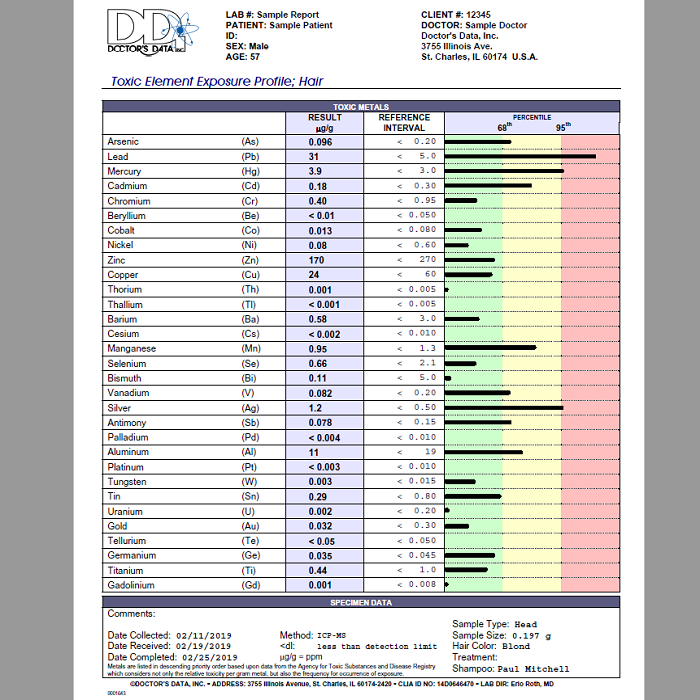
Doctors Data Hair Toxic Elements Test
$174.00$159.00Doctors Data Hair Toxic Elements Test is a noninvasive screening hair test reports an expanded lineup of toxic metals as well as specific nutrient elements.Doctors Data Hair Toxic Elements Test
At Home Health Tests, Toxic Metals Tests, Autism Tests, Detox Solutions, Diabetes Solutions, Fatigue Solutions, Memory Loss Solutions, Autism Solutions, Hair Tests$174.00 $159.00Successfully Added to your Shopping CartAdding to Cart... -
←→
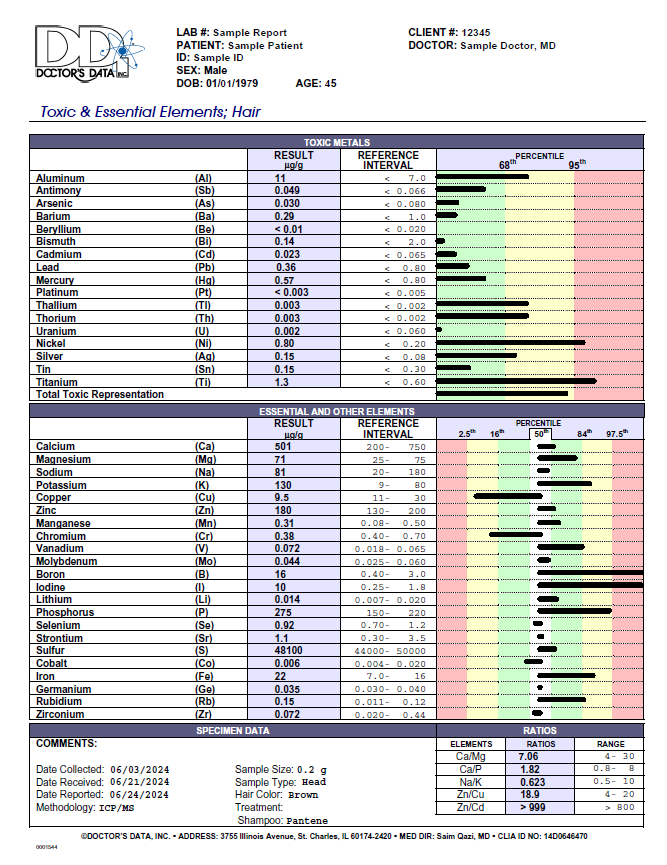
Doctors Data Hair Toxic & Essential Elements Test
$174.00$159.00The Doctors Data Hair Elements Test for Minerals and Common Toxic Elements can determine your nutritional status as well as your body load of common heavy metals.Doctors Data Hair Toxic & Essential Elements Test
At Home Health Tests, Toxic Metals Tests, Fatigue Solutions, Inflammation Solutions, Memory Loss Solutions, Hair Tests$174.00 $159.00Successfully Added to your Shopping CartAdding to Cart... -
←→
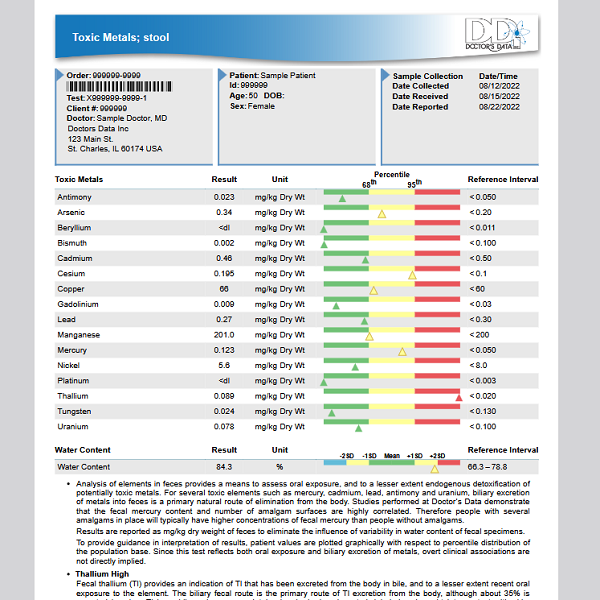
Doctors Data Stool Toxic Metals Test
$225.00$189.00The Doctors Data Stool Toxic Elements Test is an analysis of toxic elements in feces providing a comprehensive evaluation of environmental exposure, potential for accumulation in the body, and possibly endogenous detoxification of potentially toxic metals.- Buy 2 at $184.00
Doctors Data Stool Toxic Metals Test
$225.00 $189.00Successfully Added to your Shopping CartAdding to Cart... -
←→
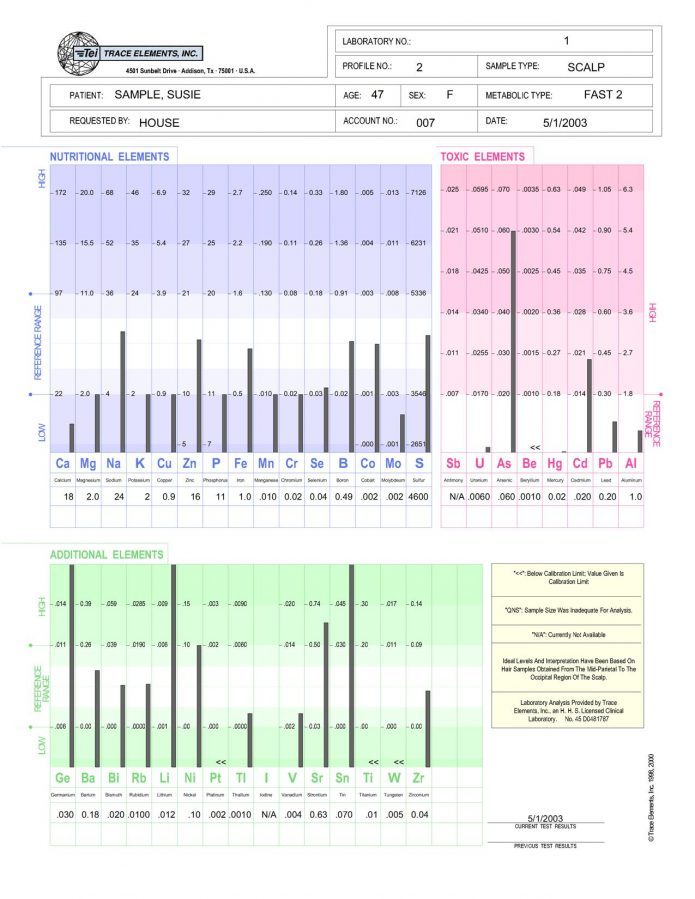
Trace Elements Hair Mineral and Toxic Elements
Nutritional Tests, At Home Health Tests, Toxic Metals Tests, Autism Tests, Immune System Tests, Hair Tests$188.00 $169.00Successfully Added to your Shopping CartAdding to Cart... -
←→

Analytical Research Labs Hair Minerals Test
$179.00$169.00Providing a mineral blueprint of one’s biochemistry, an Analytical Research Labs Hair Minerals Test reports levels of minerals and heavy metals in your body giving possible reasons for your symptoms, with suggestions for nutritional supplements and diet changes. Hair tissue mineral analysis can provide pertinent information about balanced nutrition, one’s metabolic rate, energy levels, sugar and carbohydrate tolerance, stage of stress, immune system and glandular activity.Analytical Research Labs Hair Minerals Test
$179.00 $169.00Successfully Added to your Shopping CartAdding to Cart... -
←→

UCARI Intolerance Test Kit
$99.99$88.00Test for 1500+ possible intolerances and nutritional imbalancesUCARI Intolerance Test Kit
At Home Health Tests, Allergy Tests, Nutritional Tests, Environmental Pollutants Tests, Mycotoxin Molds Tests, Allergy Solutions, Lung Solutions, Gastrointestinal Solutions, Immune System Tests, Candida Solutions, Hair Tests$99.99 $88.00Successfully Added to your Shopping CartAdding to Cart... -
←→
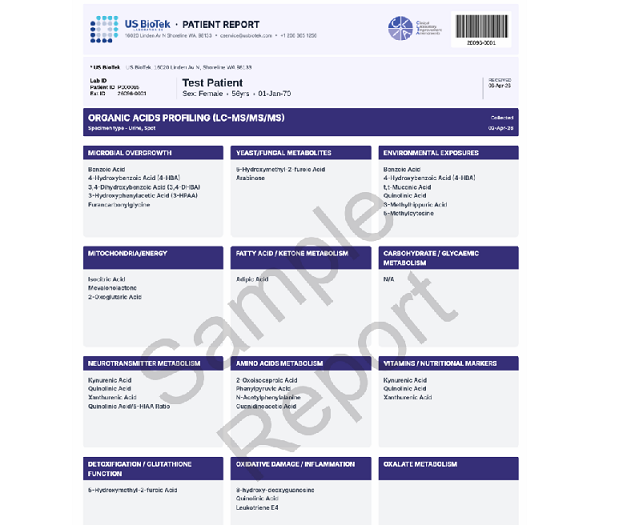
US BioTek Organic Acids Profile 120+ Markers
$399.00$329.00A unique biochemistry profile called Organic Acid Profile (OAP) can detect alterations in your gut, cellular deficiencies, levels of neurotrasmitters, exposures to mold or fungus and indicate need for specific nutrients, diet modifications and detoxification. This profile has been updated to include environmental pollutants for a more complete snapshot picture of toxic exposure to environmental chemicals.US BioTek Organic Acids Profile 120+ Markers
At Home Health Tests, Nutritional Tests, Mycotoxin Molds Tests, Autism Tests, Environmental Pollutants Tests, Organic Acids Tests, Detox Solutions, Vitamin Tests$399.00 $329.00Successfully Added to your Shopping CartAdding to Cart...