

Table of Contents
Definition and Overview
Chronic Fatigue Syndrome, also known as myalgic encephalomyelitis (ME), is a complex disorder characterized by profound fatigue that is not alleviated by rest. This debilitating condition can significantly impair an individual’s daily functioning, affecting both physical and mental health. The symptoms can vary widely from person to person and may have a gradual or sudden onset.
The exact cause of the condition remains unknown, but it is believed to involve a combination of factors, including viral infections, immune system dysfunction, endocrine abnormalities, and psychological factors. The condition can be worsened by physical or mental exertion, leading to a phenomenon known as post-exertional malaise (PEM).
Symptoms and Diagnosis
Symptoms of CFS are diverse and multifaceted, making diagnosis challenging. Commonly reported symptoms include severe fatigue, sleep disturbances, cognitive difficulties such as memory problems and difficulty concentrating, muscle and joint pain, headaches, and recurrent sore throats. Additionally, many patients experience sensitivity to light, sound, and physical touch.
To diagnose CFS, healthcare providers typically use a combination of clinical evaluation and questionnaires assessing symptom duration and severity. The absence of definitive diagnostic tests means that healthcare providers must rule out other medical conditions that could be contributing to the fatigue. The diagnostic criteria established by the Institute of Medicine (IOM) in 2015 suggest that patients must exhibit fatigue lasting six months or longer, alongside other specific symptoms.
Managing Chronic Fatigue Syndrome
Effective management often requires a multi-faceted approach tailored to individual needs. Treatment strategies may include lifestyle adjustments, cognitive-behavioral therapy (CBT), and alternative therapies. While there is currently no cure for the condition, many have found ways to alleviate symptoms and improve their quality of life.
Adopting a structured daily routine can help manage symptoms by balancing activity and rest. Many patients find that they need to plan their day around their energy levels, incorporating short periods of activity followed by rest. Support groups and counseling can also provide emotional support, helping individuals cope with the psychological burden of living with a chronic illness. ( also see our blog https://healthalways.com/mitochondria-key-to-exercise-longevity-health/)
Importance of Nutrition in CFS
Foods to Incorporate
Nutrition plays a critical role in managing CFS. A balanced diet can help support the immune system, reduce inflammation, and maintain energy levels. Including a variety of whole foods rich in essential nutrients is vital. Foods rich in antioxidants, such as berries, leafy greens, and nuts, can help combat oxidative stress.
Additionally, omega-3 fatty acids, found in fatty fish and flaxseeds, have anti-inflammatory properties that may benefit individuals with CFS. Staying hydrated and incorporating complex carbohydrates, such as whole grains, fruits, and vegetables, can provide sustained energy throughout the day. Regular meals can also help to stabilize blood sugar levels, which may alleviate some symptoms of fatigue.
Foods to Avoid
Conversely, certain foods can exacerbate symptoms in individuals with CFS. Processed foods high in sugar or unhealthy fats may lead to spikes and crashes in energy levels. Caffeine can also disrupt sleep patterns, further contributing to fatigue. Furthermore, some individuals may be sensitive to gluten or dairy, and eliminating these from the diet can lead to improvements in symptoms for some patients.
It is advisable for individuals with CFS to keep a food diary to help identify any potential food sensitivities or intolerances. Consulting with a registered dietitian familiar with CFS can also provide tailored dietary advice aimed at optimizing nutrition.
Role of Supplements in CFS
Essential Supplements for Managing CFS
Many individuals consider dietary supplements to help manage their symptoms. Certain vitamins and minerals, such as B vitamins, vitamin D, magnesium, and coenzyme Q10, play roles in energy metabolism and cellular function. Omega-3 fatty acids may also provide benefits.
However, the effectiveness of supplements can vary; what works for one person may not work for another. It’s crucial to approach supplementation cautiously and prioritize obtaining nutrients from whole foods whenever possible. A healthcare provider can recommend specific supplements based on individual health profiles and needs.
Consulting with a Healthcare Provider
Before starting any supplement regimen, individuals should consult with a healthcare provider to discuss potential benefits and risks. Some supplements may interact with medications or have adverse effects at high doses. A healthcare provider can help tailor a supplementation plan that complements an individual’s overall treatment strategy.
Incorporating supplements into a comprehensive management plan can provide additional support, but they should not replace other essential treatments or lifestyle modifications necessary for managing CFS effectively.
Sleep Patterns and Their Impact on CFS
Understanding Sleep Disorders
Sleep disturbances are a hallmark of this condition, with many patients reporting unrefreshing sleep, insomnia, or hypersomnia. Poor sleep quality can exacerbate fatigue and other symptoms, creating a vicious cycle that can be challenging to break. Understanding the nature of sleep disorders and their impact is crucial for effective management.
Research indicates that individuals with CFS may experience altered sleep architecture, leading to decreased time in restorative sleep stages. Sleep studies, including polysomnography, can help assess sleep quality and identify specific disorders, such as sleep apnea or restless leg syndrome, that may require separate treatment.
Improving Sleep Quality

Improving sleep hygiene can significantly benefit individuals with CFS. Establishing a consistent sleep schedule, creating a calming bedtime routine, and optimizing the sleep environment—such as minimizing light and noise—can enhance the quality of sleep. Limiting screen time before bed and avoiding stimulants in the evening can also contribute to better sleep.
In some cases, cognitive-behavioral therapy for insomnia (CBT-I) may be effective in addressing the psychological aspects of sleep disturbances. This therapeutic approach can help individuals alter negative thought patterns and behaviors that contribute to sleep issues, leading to improved sleep quality over time.
Incorporating supplements into a comprehensive management plan can provide additional support, but they should not replace other essential treatments or lifestyle modifications necessary for managing the condition effectively.
Benefits of Exercise for CFS
While it may seem counterintuitive, regular exercise is an essential component of managing this condition. Engaging in physical activity, tailored to individual capabilities, can improve physical endurance, alleviate symptoms of depression and anxiety, and enhance overall quality of life. Low-impact activities, such as walking, swimming, or gentle stretching, are often recommended.
Exercise can help stimulate the production of endorphins, which are natural mood lifters. Additionally, regular physical activity can improve cardiovascular health and maintain a healthy weight, which is crucial for individuals who may be at risk for other health complications.
Types of Exercise Recommended
It is vital to approach exercise cautiously and focus on gradual increases in activity levels. Many healthcare providers recommend a structured approach called graded exercise therapy (GET), which involves slowly increasing the duration and intensity of workouts over time. Patients are encouraged to listen to their bodies and adjust their exercise regimens accordingly to avoid PEM.
Incorporating flexibility and strength training, along with aerobic activities, can provide a well-rounded fitness routine. Mindful practices, such as yoga and tai chi, can also promote relaxation while enhancing physical fitness and mental well-being.
Conclusion
Summary of Key Points
The condition is complex and multifaceted, characterized by severe fatigue that profoundly impacts daily life. Managing it requires a comprehensive approach that includes dietary modifications, appropriate supplementation, improved sleep hygiene, and regular, guided exercise. Understanding symptoms and seeking support are essential for individuals navigating life with this condition.
By implementing lifestyle changes and working with healthcare professionals, like Dr. Ray Psonak, individuals can work towards alleviating symptoms and enhancing their overall quality of life. While there may not be a one-size-fits-all solution, a combination of strategies tailored to individual needs can lead to meaningful improvements.
FAQ’s
1. What are the main symptoms of the condition?
2. Is there a cure for the condition?
3. Can diet affect the condition?
4. How does exercise impact the condition?
5. Should I consult a healthcare provider about my symptoms?
Products
At Home Tests
-
←→
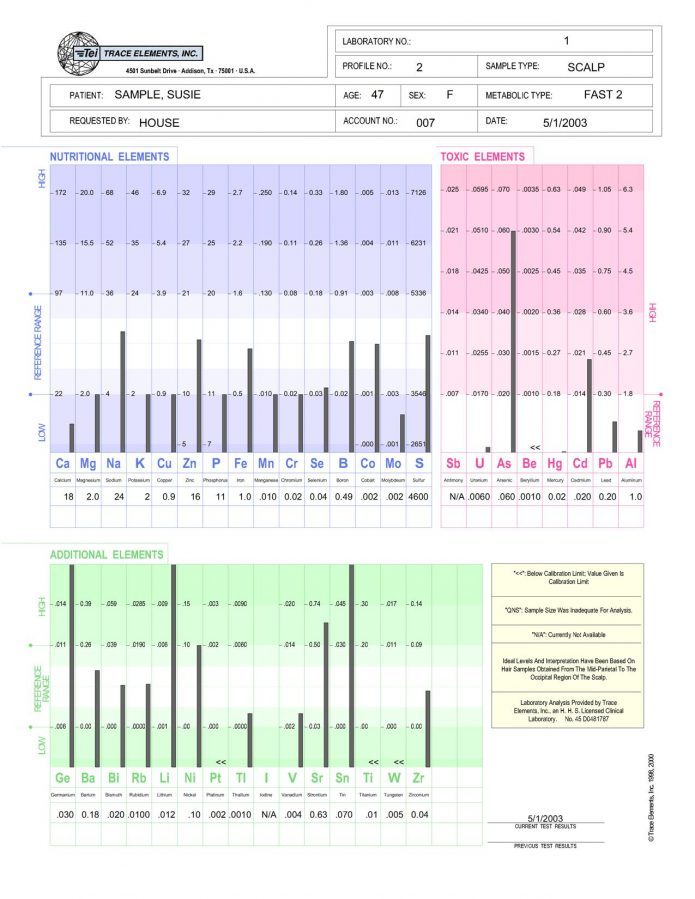
Trace Elements Hair Mineral and Toxic Elements
Nutritional Tests, At Home Health Tests, Toxic Metals Tests, Autism Tests, Immune System Tests, Hair Tests, Weight Control Solutions$188.00 $169.00Successfully Added to your Shopping CartAdding to Cart... -
←→

Analytical Research Labs Hair Minerals Test
$179.00$169.00Providing a mineral blueprint of one’s biochemistry, an Analytical Research Labs Hair Minerals Test reports levels of minerals and heavy metals in your body giving possible reasons for your symptoms, with suggestions for nutritional supplements and diet changes. Hair tissue mineral analysis can provide pertinent information about balanced nutrition, one’s metabolic rate, energy levels, sugar and carbohydrate tolerance, stage of stress, immune system and glandular activity.Analytical Research Labs Hair Minerals Test
$179.00 $169.00Successfully Added to your Shopping CartAdding to Cart... -
←→
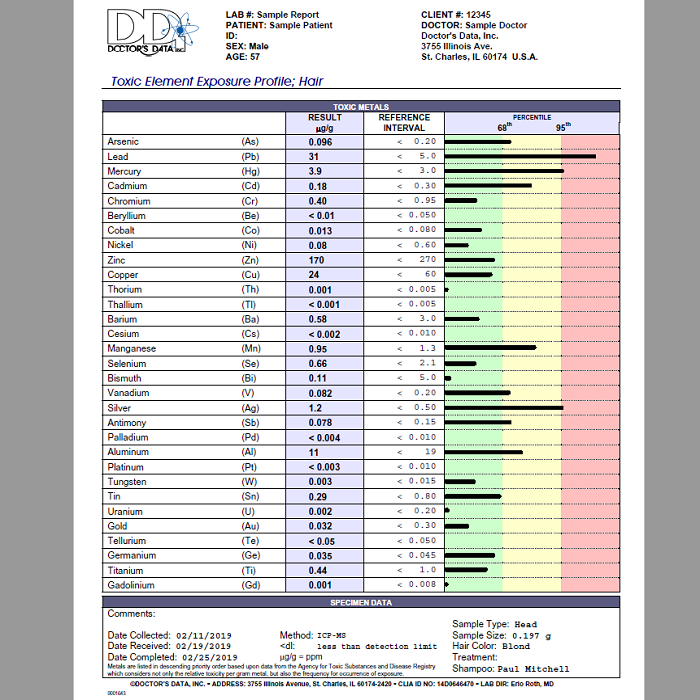
Doctors Data Hair Toxic Elements Test
$174.00$159.00Doctors Data Hair Toxic Elements Test is a noninvasive screening hair test reports an expanded lineup of toxic metals as well as specific nutrient elements.Doctors Data Hair Toxic Elements Test
At Home Health Tests, Toxic Metals Tests, Autism Tests, Detox Solutions, Diabetes Solutions, Fatigue Solutions, Memory Loss Solutions, Autism Solutions, Hair Tests$174.00 $159.00Successfully Added to your Shopping CartAdding to Cart...
Supplements
-
←→

Adrena Pan-C
$17.50Combat stress and anxiety with the power of science. This unique blend includes adrenal and spleen nucleic acids as well as key components of vitamin C and coenzymes crucial for adrenal function. Adrena Pan-C supports your body's natural adrenal response. It's especially beneficial for those who get tired when stressed, or who have poor dietary habits. -
←→

Buffered Vitamin C with Calcium, Magnesium & Potassium Ascorbate
$11.70Buffered C with Ca-Mg-K-Ascorbates 100ct.Buffered Vitamin C with Calcium, Magnesium & Potassium Ascorbate
Supplements, Vitamin Supplements, Skin Solutions, Cancer Solutions, Immune System Solutions, Antioxidant Supplements, Allergy Solutions, Autism Solutions$11.70Successfully Added to your Shopping CartAdding to Cart... -
←→

Calcium 2-AEP
Supplements, Mineral Supplements, Muscle Solutions, Anxiety, Stress, Depression Solutions, Bone Solutions$14.40Successfully Added to your Shopping CartAdding to Cart... -
←→

Carotavit with Selenium Charge Sustained
$23.40Successfully Added to your Shopping CartAdding to Cart... -
←→

GTF Chromium Glucose Tolerance Factor
$4.60GTF Chromium Glucose Tolerance Factor with 200 mcg ChromiumGTF Chromium Glucose Tolerance Factor
Supplements, Mineral Supplements, Diabetes Solutions, Skin Solutions, Heart Solutions, Muscle Solutions, Anxiety, Stress, Depression Solutions, Fatigue Solutions$4.60Successfully Added to your Shopping CartAdding to Cart... -
←→

K-MG Potassium Magnesium
Supplements, Mineral Supplements, Headache Solutions, Heart Solutions, Muscle Solutions, Lung Solutions, Memory Loss Solutions, Anxiety, Stress, Depression Solutions$13.10Successfully Added to your Shopping CartAdding to Cart... -
←→

L-Glutathione
$39.00L-Glutathione (GSH) 100 TabletsMaximum quantity exceededMinimum purchase amount of 0 is requiredL-Glutathione
Supplements, Autism Solutions, Detox Solutions, Heart Solutions, Immune System Solutions, Nerve Damage Solutions, Antioxidant Supplements, Gastrointestinal Solutions$39.00Successfully Added to your Shopping CartAdding to Cart... -
←→
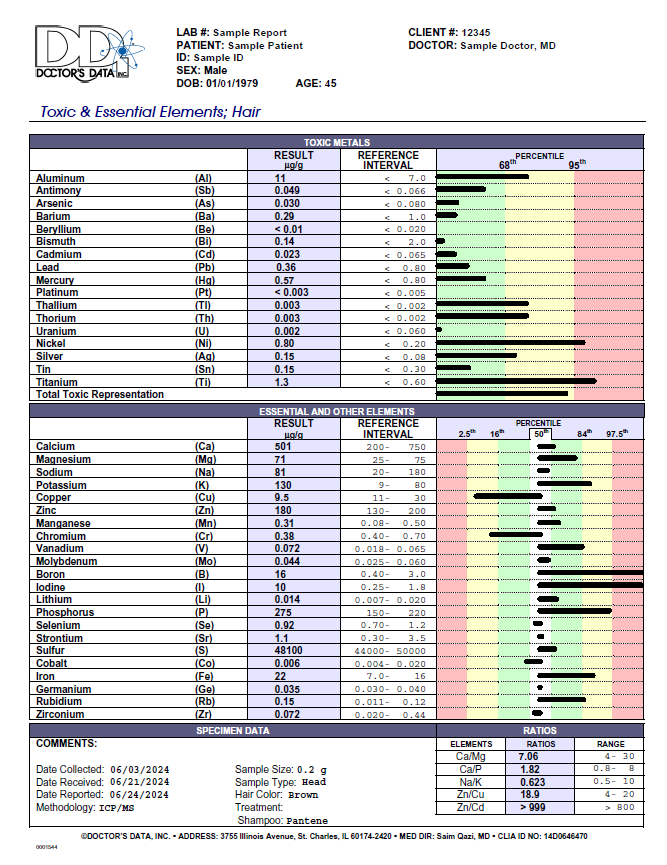
Doctors Data Hair Toxic & Essential Elements Test
$174.00$159.00The Doctors Data Hair Elements Test for Minerals and Common Toxic Elements can determine your nutritional status as well as your body load of common heavy metals.Doctors Data Hair Toxic & Essential Elements Test
At Home Health Tests, Toxic Metals Tests, Fatigue Solutions, Inflammation Solutions, Memory Loss Solutions, Hair Tests$174.00 $159.00Successfully Added to your Shopping CartAdding to Cart... -
←→

Membrane Complex
Supplements, Mineral Supplements, Heart Solutions, Skin Solutions, Probiotics Supplements, Bone Solutions, Lung Solutions, Muscle Solutions, Immune System Solutions$15.00Successfully Added to your Shopping CartAdding to Cart... -
←→

Potassium Arginate with Aspartate
Supplements, Mineral Supplements, Nerve Damage Solutions, Muscle Solutions, Hormone Solutions, Heart Solutions, Amino Acids Supplements, Gastrointestinal Solutions$11.40Successfully Added to your Shopping CartAdding to Cart... -
←→

Zinc Arginate with Aspartate
Supplements, Mineral Supplements, Skin Solutions, Immune System Solutions, Amino Acids Supplements, Allergy Solutions$8.10Successfully Added to your Shopping CartAdding to Cart...
References
- https://www.cdc.gov/me-cfs/about/index.html (Title: ME/CFS Basics)
- https://www.webmd.com/chronic-fatigue-syndrome/what-is-chronic-fatigue-syndrome Title: What is Chronic Fatigue Syndrhttps://www.healthline.com/health/chronic-fatigue-syndromeome?
- https://www.mayoclinic.org/diseases-conditions/chronic-fatigue-syndrome/diagnosis-treatment/drc-20360510
- CFS (Chronic Fatigue Syndrome) https://www.healthline.com/health/chronic-fatigue-syndrome